
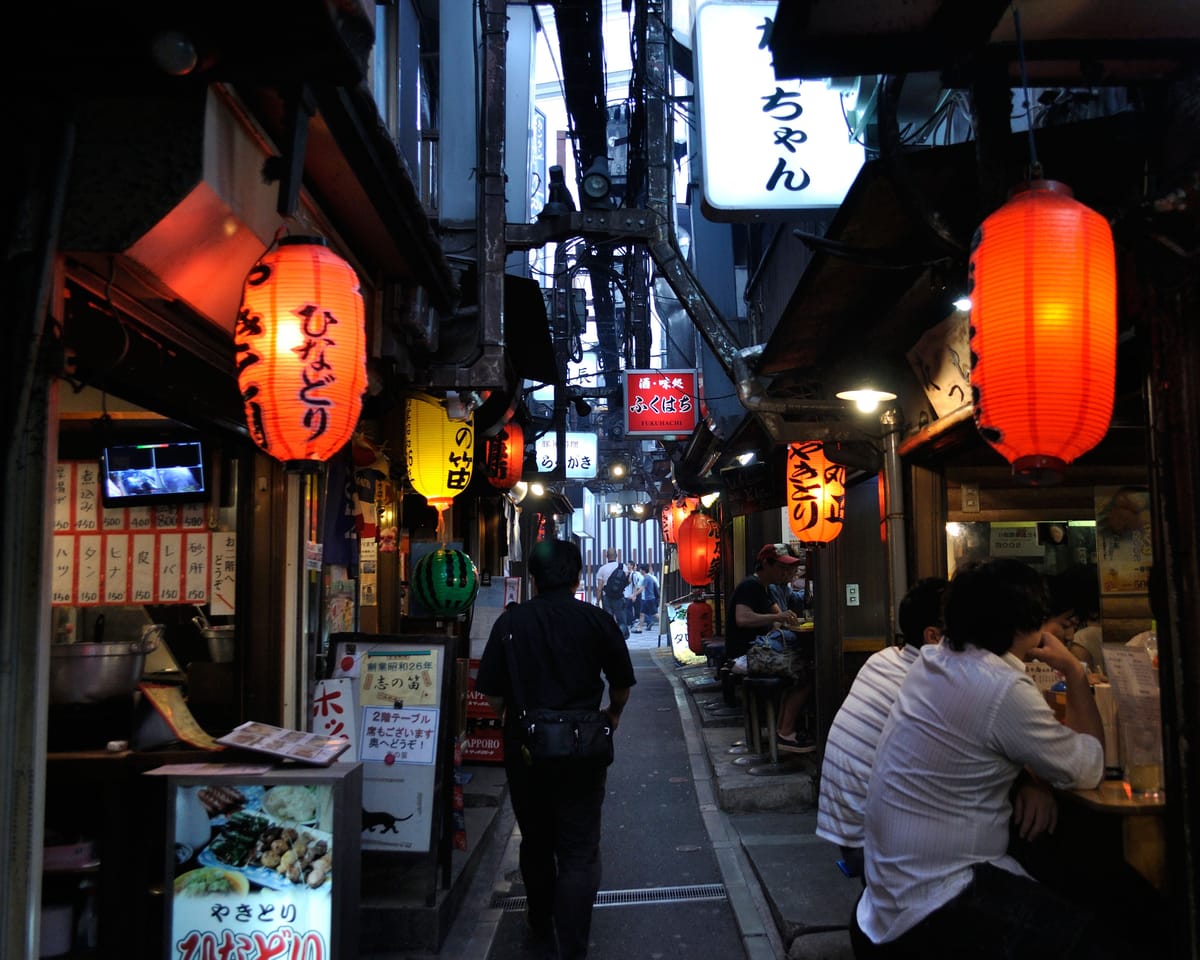
Shinjuku Ward, Tokyo, has moved to ban short-term rental accommodations in residential areas and near schools and important cultural sites, following a slew of complaints about visitor behaviour. The decision, to be enacted through a local ordinance, marks the latest sign that Japan’s patience with mass tourism is wearing thin. Shinjuku, home to the notorious Kabukicho nightlife district and the world’s busiest railway station and a regular population of more than 350,000, is home to 3,775 private lodgings – or minpaku – the largest number anywhere in Japan. Their count has almost tripled since 2022. While tourism has boosted sectors of Japan’s economy and raised the country’s profile overseas, the surge in visitor numbers has created tensions with residents in popular destinations such as Tokyo, Kyoto and Osaka.
Authorities say the measure could affect as many as 2,000 of those rentals, nearly half the total, according to the Mainichi Shimbun, after receiving more than 1,300 complaints in the 12 months to March. Residents cited rubbish mismanagement, excessive noise, smoking in prohibited areas and trespassing. Officials noted that temporarily revoking the licenses of operators whose tenants misbehave has done little to reduce complaints, prompting the decision to overhaul the ordinance. The measure could encourage other local authorities to follow suit.
The ward plans to open a public feedback period next month, aiming to submit revisions in February. It also proposes cutting the annual rental limit for minpaku in residential areas from 180 to 120 days. Kyoto has already limited such operations to just 60 days a year during the off-peak season between January and March, for tourists visiting temples and shrines. Its mayor, Koji Matsui, said earlier this year that “residents are concerned that their communities could be falling apart”, adding that “we have strengthened the oversight of operators, but that is not enough. We need to go further,” as quoted by the Asahi Shimbun.
Japan welcomed a record 42 million visitors last year, who spent a combined ¥9.5 trillion ($62 billion) – both all-time highs. The government has set a target of 60 million annual visitors by 2030, a goal critics say will exacerbate “tourism pollution”. Near Mount Fuji, authorities have introduced climbing fees and imposed a daily visitor cap. In February, the town of Fujiyoshida, a popular Fuji viewing spot, decided to cancel this spring’s cherry blossom festival, citing a rise in disruptive tourist behaviour. Its mayor, Shigeru Horiuchi, said the decision was taken to “protect the dignity and living environment of our citizens”.
Authorities did not single out particular operators for the ban. A home-sharing company responding to the ordinance told CuriosityNews that Shinjuku has been an important partner and it takes residents’ concerns seriously. The company said it aims to help the ward protect residents’ ability to live well alongside guests, and believes a version of the ordinance can protect quality of life without closing responsible, licensed hosts. It has offered to work with the ward on more targeted measures, arguing that a broad residential zone prohibition would affect many compliant hosts while leaving unregistered operators – which residents say cause much of the disruption – untouched.
Read next
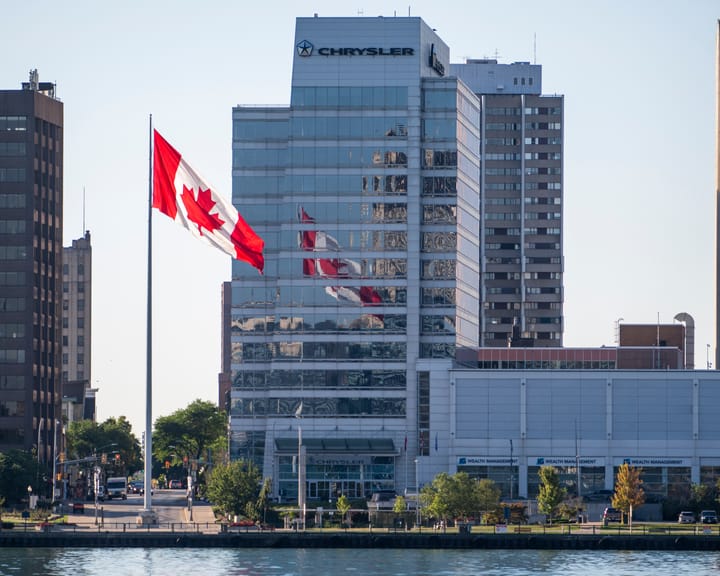
Canada implements retaliatory US tariffs as trade dispute intensifies
Canada’s retaliatory tariffs on about $20 billion worth of American imports took effect at 12.01am on Tuesday, ranging from 15% to 50% and applying to steel, dairy, appliances, agricultural equipment, pulp and paper, and electronics. The measures, a response to the United States’ 50% tariff on $20 billion

Prosecutor general resigns amid political turmoil in Kyiv during Ukraine war
Ukraine’s prosecutor general Ruslan Kravchenko resigned amid corruption accusations after anti-graft officers searched his offices at the weekend. He called the allegations “completely unsubstantiated” and denied wrongdoing. The National Anti-Corruption Bureau (NABu) and Specialised Anti-Corruption Prosecutor’s Office (Sapo) announced Saturday they uncovered a money-laundering
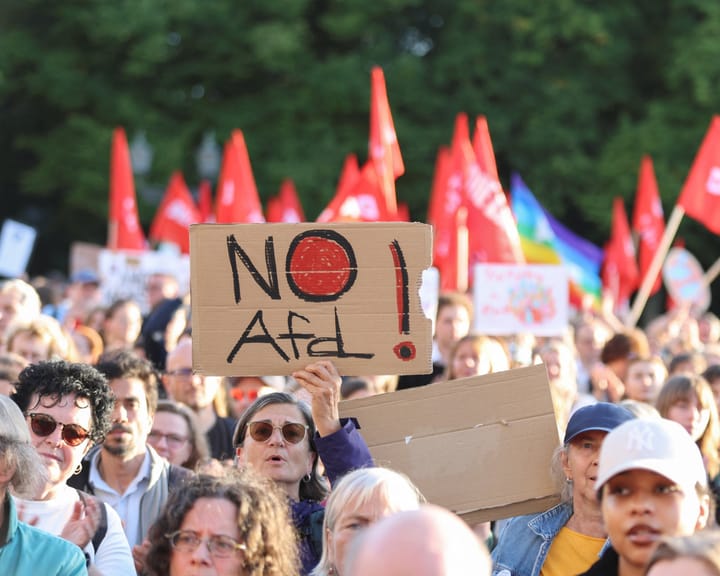
AfD's seismic triumph isn't due to Merz being on borrowed time | Jörg Lau
Shock at the far right’s Saxony-Anhalt win rippled Sunday, yet not all were unhappy. After exit polls, Donald Trump posted results on Truth Social, delighted by the CDU collapse and AfD surge.
The result humiliated Chancellor-in-waiting Friedrich Merz, whose party lost over half its seats while