
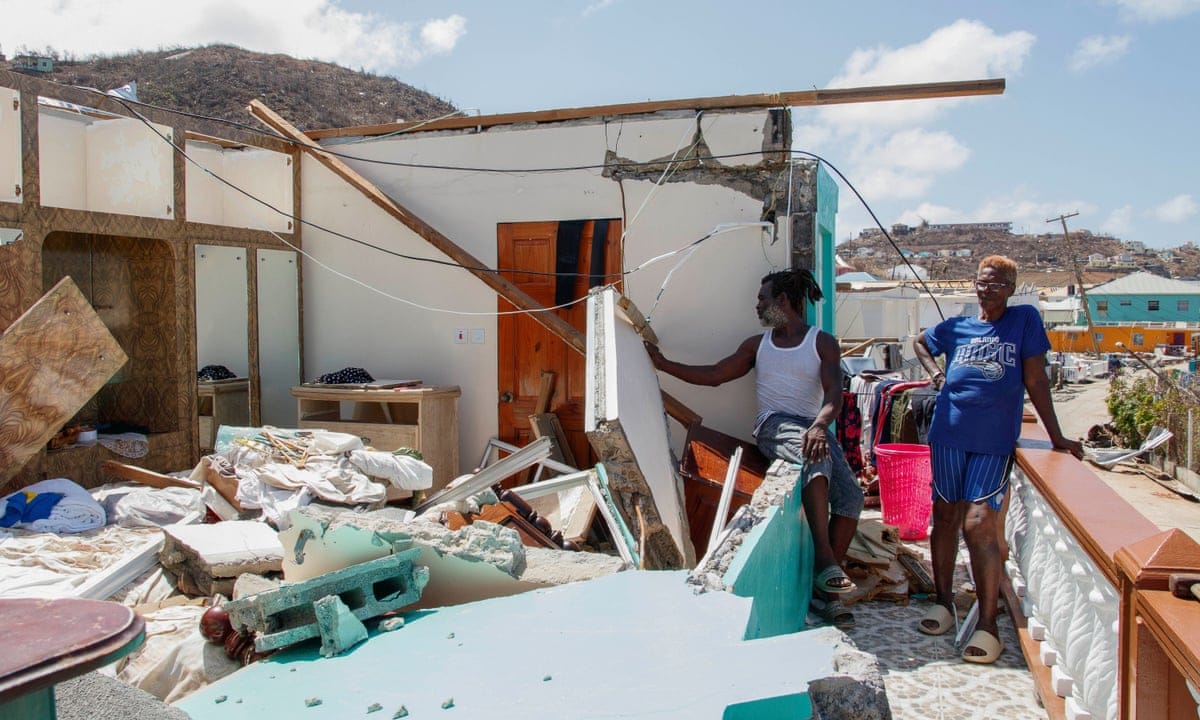
On July 1st, Caribbean leaders faced an overwhelming challenge after Hurricane Beryl devastated their nations. These leaders have reached out to the United Kingdom's government, requesting assistance in forming a comprehensive rebuilding strategy reminiscent of the post-World War II Marshall Plan for European recovery.
The catastrophic hurricane resulted in at least 11 fatalities and wiped out over 90% of buildings on Grenada and St Vincent and the Grenadines, leaving thousands without basic necessities like shelter, water, electricity, and food supplies.
In their appeal to foreign secretary David Lammy and chancellor Rachel Reeves, Caribbean leaders highlighted the recurring pattern of hurricane devastation in the region. For instance, Dominica faced a loss exceeding 200% of its GDP due to Hurricane Maria's aftermath in 2017.
The proposal from Antigua and Barbuda, St Vincent and the Grenadines, and Grenada advocates for urgent debt relief initiatives that activate in response to calamities like Hurricane Beryl. This call is comparable to the U.K.'s assistance program following World War II aimed at reconstructing Europe.
The proposed Caribbean Marshall Plan envisions various components, including affordable loans, debt restructuring options, access to grants for climate-related damages, and a large-scale initiative focused on constructing sustainable infrastructure and robust economies.
While British foreign secretary David Lammy announced a £500,000 aid package following Hurricane Beryl's impact on the Caribbean nations, leaders from St Vincent and the Grenadines, including prime minister Ralph Gonsalves, described this amount as insufficient.
In an appeal to major greenhouse gas emitting countries on July 11th, these Caribbean leaders called for more substantial support in relief and recovery efforts post-disasters. They emphasized the urgent need for help from larger economies with a moral responsibility towards climate change victims like themselves.
The initiative endorsed by researchers at Overseas Development Institute (ODI) underscores the argument that Caribbean nations, which have not contributed significantly to climate change, should not shoulder the financial burden alone following such crises. Emily Wilkinson from ODI stated this support could help small island states avoid a potential debt crisis while rebuilding.
Read next
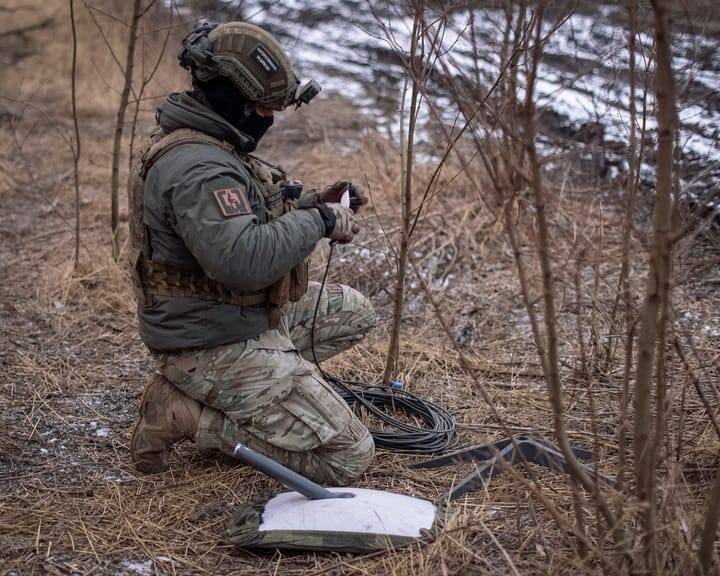
Ukrainian combat troops gain restricted access to Starlink satellite internet
Ukrainian soldiers experienced a sudden disruption in their access to Starlink satellite internet terminals amid increased pressure from the Trump administration for Ukraine to cease long-range attacks on Russia’s oil infrastructure. These terminals, managed by Elon Musk’s SpaceX, are vital for Ukraine's military operations. The
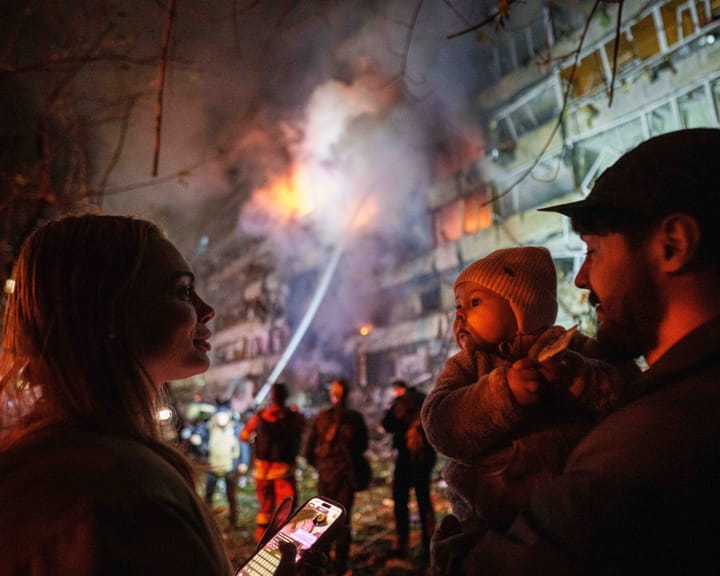
Russia's latest Ukraine attacks show 'disrespect' towards US, says Zelenskyy — Europe live
Sikorski Confronts Musk Over Starlink in Ukraine
Poland’s Foreign Minister Radosław Sikorski recently addressed Elon Musk on X, questioning reported restrictions on Starlink services in Ukraine. Poland contributes significantly to Ukraine’s funding of Starlink, which is crucial for maintaining internet connectivity in Kyiv and its military operations, with

"Breaking Stigma: Nikita Jager's Triumph in Civil Rape Case Against Conor McGregor"
Nikita Hand faced a challenging decision when considering a civil case against Conor McGregor following a 2018 assault. Despite her personal reservations about being an "imperfect victim" due to alcohol and drug use on the night of the incident, she chose to proceed. This decision stemmed from her