
Caribbean nations have vowed to aid Cuba as it faces a humanitarian emergency worsened by a U.S. fuel embargo, following a leaders’ summit marked by regional splits over Washington’s policies.
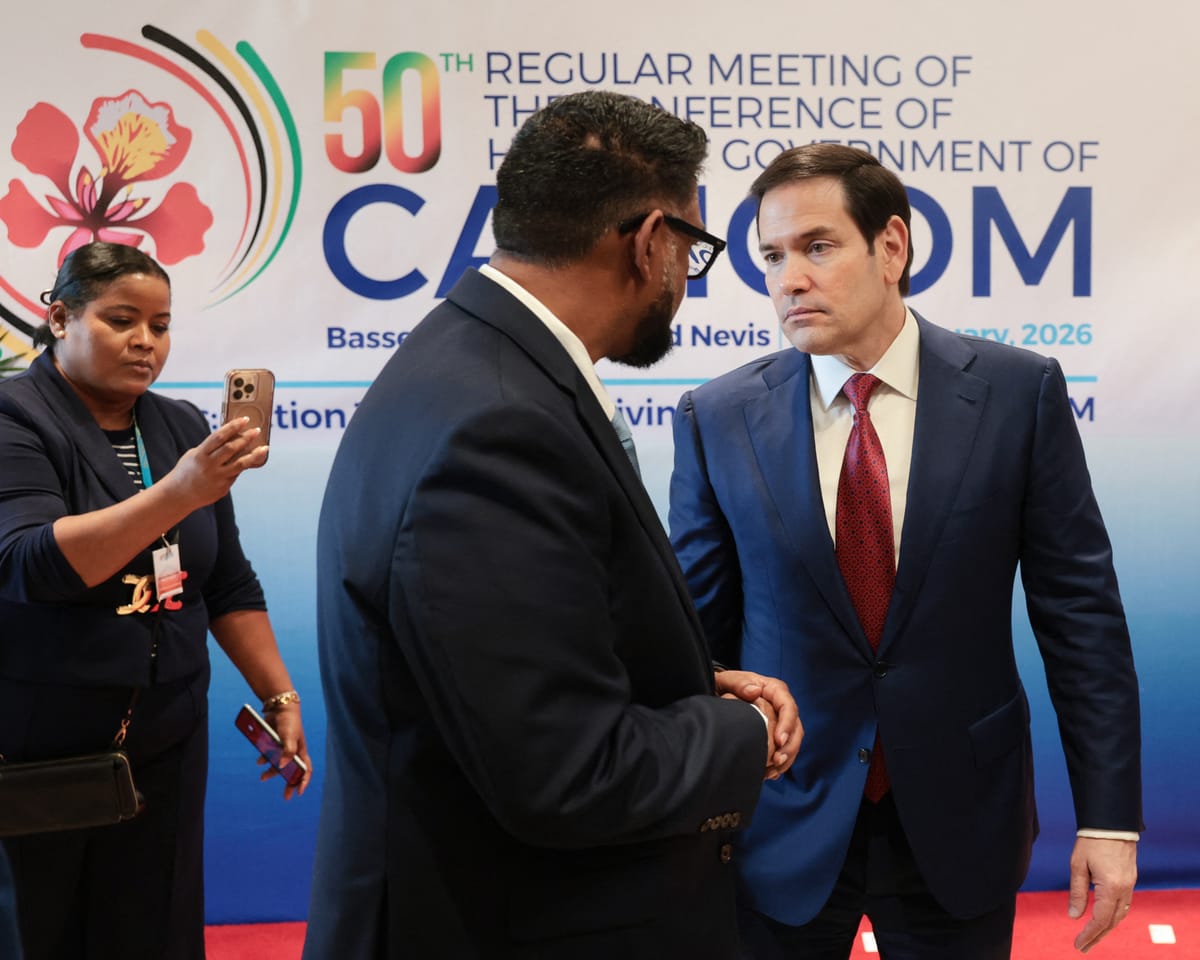
The pledge to deliver relief to Cuba was disclosed at a Friday press briefing that concluded the four‑day Caribbean Community (Caricom) gathering in St Kitts and Nevis, an event attended by Secretary of State Marco Rubio to discuss American ties with Caribbean states.
The meeting took place against a backdrop of rising friction between Cuba and the United States after U.S. forces detained Venezuela’s president Nicolás Maduro, a key ally of Havana, and the Trump administration instituted an oil blockade on the island in January.
During the opening session, participants urged dialogue to ease the strain between Cuba and the U.S., with Jamaica’s Prime Minister Andrew Holness warning of “severe economic hardship, energy shortages and growing humanitarian strain” and the possible ripple effects across the region.
On Friday, Caricom chair and St Kitts‑Nevis Prime Minister Terrance Drew announced that the 15‑member bloc would act “in a significant way to help the humanitarian situation in Cuba” within the next month.
When asked whether a joint Caricom statement would denounce the U.S. military actions in the area—operations that have included lethal strikes on suspected drug vessels, killing at least 151 people without proven misconduct—Drew said the organization was gathering facts to “ensure a complete and comprehensive response.”
Political commentator Peter Wickham noted that divergent views among members on U.S. policy likely explain Caricom’s inability to adopt a unified stance.
In the opening session, Trinidad and Tobago’s Prime Minister Kamla Persad‑Bissessar, a vocal supporter of Trump’s regional military actions, pushed back against appeals from other leaders to preserve the Caribbean as a peace zone.
She credited the U.S. intervention with a reported drop in crime in her country, stating: “Don’t talk to me about a zone of peace when … Trinidad and Tobago, 1.4 million people, recorded 623 murders in 2024, and 40 % of those were gang‑related, driven by narcotics, firearms smuggled from Venezuela, and gangs from Venezuela mixing with local gangs.”
Wickham added that this strong backing of the Trump administration has complicated the search for a Caricom consensus on U.S. military involvement in the region.
Read next
Another mid‑negotiation strike threatens Iran's willingness to take Trump seriously
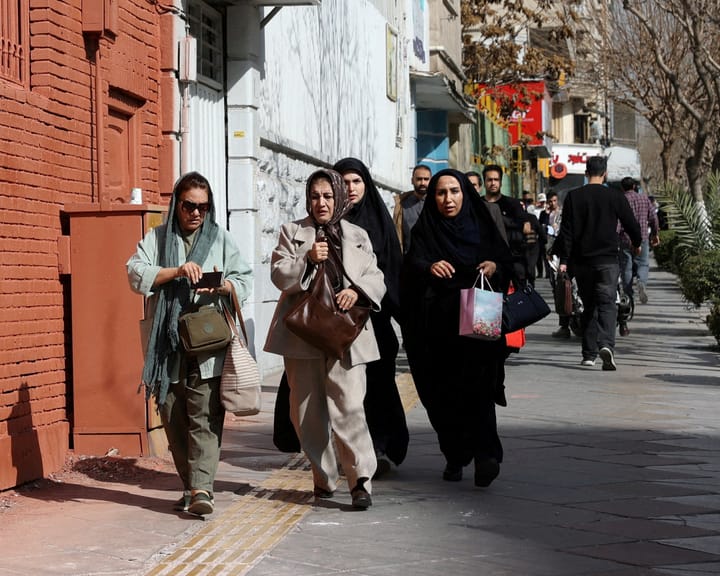
The joint strike carried out by Israel and the United States against Iran had been plotted for months, yet its timing—amid ongoing talks between Tehran and Washington—will once more prompt doubts about whether the U.S. ever intended to reach a deal with Iran.
In June of the

Bangkok police conduct undercover arrests, proving you can’t evade the invisible.
Police from Bangkok’s metropolitan bureau were given under a day to ready their newest covert raid. They would pose as lion‑dance performers at a temple fair celebrating the lunar new year. Their objective: locate and detain a suspected burglar known for eluding police.
“The performance was impromptu. We
Pakistan’s patience wears thin after grossly miscalculating the Taliban.
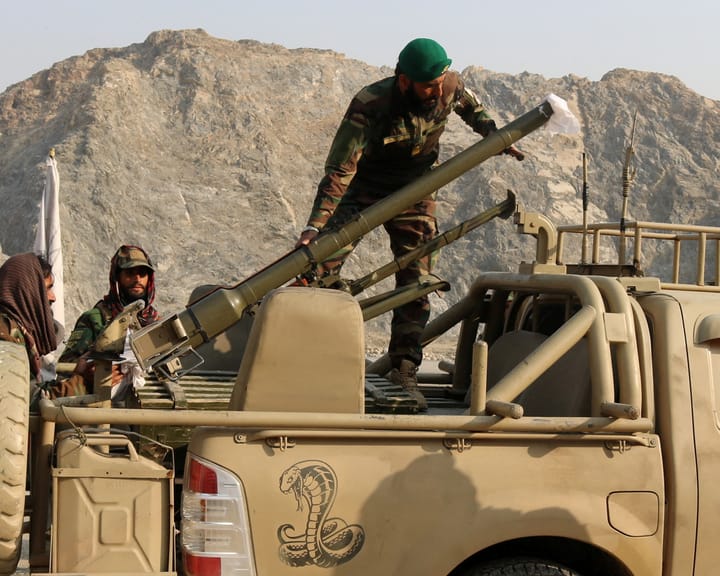
Days after the Taliban seized control in 2021, Pakistan’s former intelligence chief appeared in Kabul, an image many interpreted as a triumph. While sipping tea in the lobby of the capital’s most upscale hotel, Lt Gen Faiz Hameed told reporters, “Don’t worry, everything will be OK.”
This