
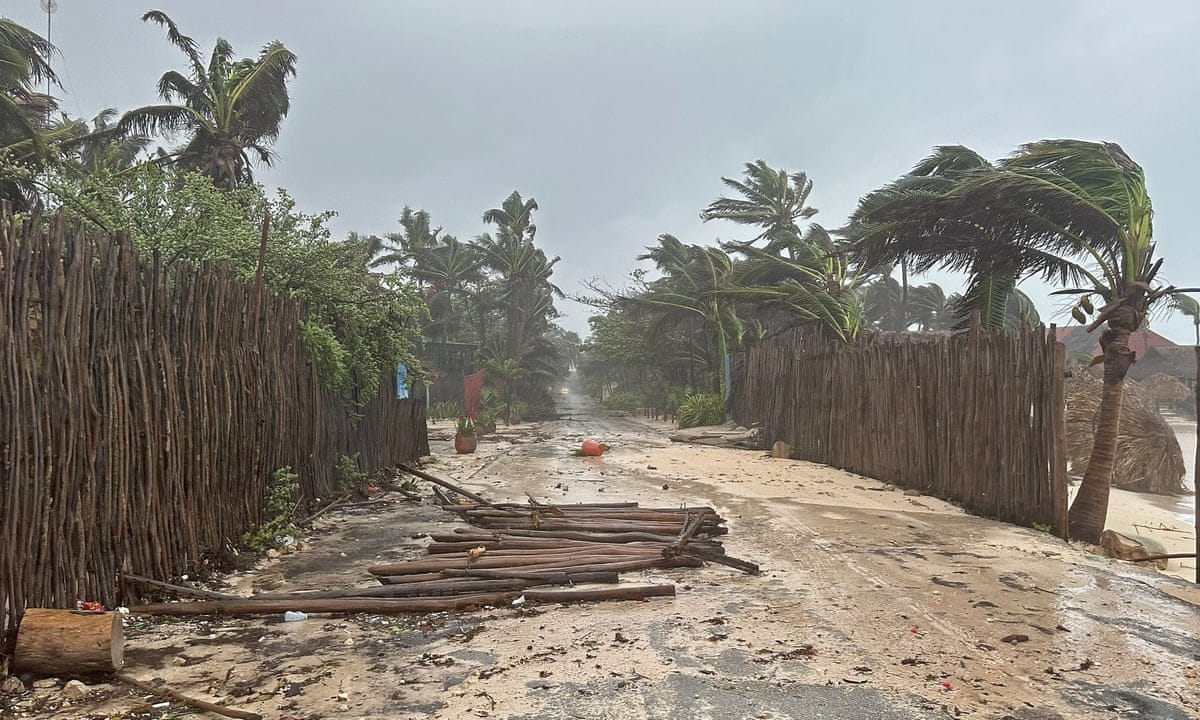
Hurricane Beryl has made landfall in Mexico's renowned tourist destinations as a category 2 storm, causing concern among residents following the devastation it left across several Caribbean islands.
The core of the hurricane shifted over Yucatán, bringing wind speeds to around 100 mph (160 km/h) as it reached Tulum's northeastern region. This area is known for its white-sand beaches and ancient Mayan ruins.
Though the storm's center moved through Tulum, resulting in decreased wind speeds and some fallen branches, officials at the US National Hurricane Center (NHC) continue to warn of potential high winds, dangerous waves, and flooding due to its landfall location.
Social media footage showcases strong gusts hitting Tulum's downtown area on Friday. A hurricane warning has been issued for the stretch from Puerto Costa Maya to Cancún, encompassing Cozumel.
Hurricane Beryl marks the first storm of the 2024 Atlantic season and briefly reached category 5 status, setting a record for earliest such occurrence in history. Scientists attribute this extraordinary year to climate change's effects on weather patterns.
Mexico's civil protection agency has placed a red alert in response, advising residents to stay indoors or seek safety at designated shelters. President Andres Manuel López Obrador echoes the same call for caution and stresses prioritizing life over possessions on social media.
Quintana Roo Governor Mara Lezama shared a video of Tulum's downtown, showing strong winds and rain affecting the area. She urged residents to remain indoors in shelters, saying: "We’re asking everyone to stay in your homes, in your shelters, do not leave."
As a result of the storm, schools in Quintana Roo have been closed, and Mexico's defense ministry has established approximately 120 storm shelters. Hurricane Beryl previously devastated parts of Jamaica, Grenada, St Vincent, the Grenadines, and northern Venezuela, resulting in at least 11 deaths and significant damage to infrastructure.
The hurricane is expected to weaken rapidly upon reaching Mexico's Yucatan Peninsula but may gain strength as it moves over the Gulf of Mexico later this weekend. The National Hurricane Center predicts that Beryl will head towards northeastern Mexico and southern Texas by Sunday evening.
Isla Mujeres, a popular island near Cancún, saw around 3,000 tourists evacuated as Hurricane Beryl approached. Many residents sought shelter in anticipation of the storm's impact.
Cancun International Airport canceled roughly 100 flights on Thursday, prompting numerous travelers to hastily book outgoing flights before further disruptions occur. While Mexico's main oil platforms remain unaffected, offshore operations in US waters may face challenges should the hurricane continue its projected path.
Research from the ClimaMeter consortium links Hurricane Beryl to climate change effects due to human activities. The study indicates a 10-30% increase in storm severity, rainfall, and wind speed as compared with historical data.
Read next
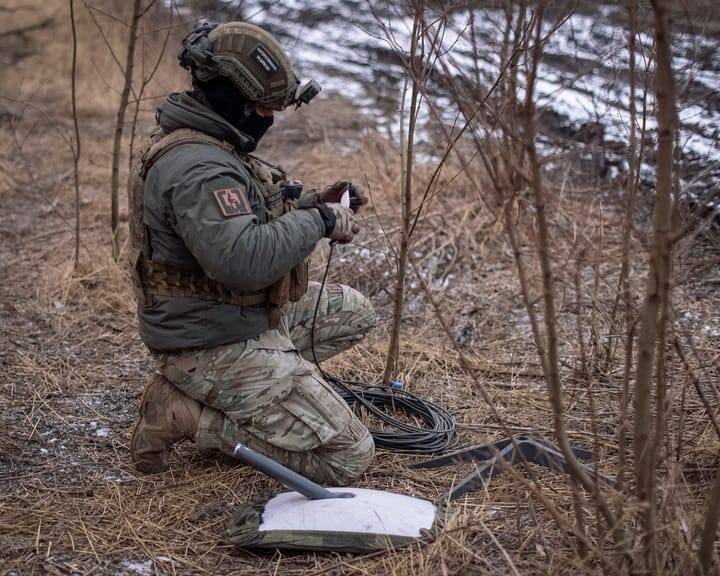
Ukrainian combat troops gain restricted access to Starlink satellite internet
Ukrainian soldiers experienced a sudden disruption in their access to Starlink satellite internet terminals amid increased pressure from the Trump administration for Ukraine to cease long-range attacks on Russia’s oil infrastructure. These terminals, managed by Elon Musk’s SpaceX, are vital for Ukraine's military operations. The

Russia's latest Ukraine attacks show 'disrespect' towards US, says Zelenskyy — Europe live
Sikorski Confronts Musk Over Starlink in Ukraine
Poland’s Foreign Minister Radosław Sikorski recently addressed Elon Musk on X, questioning reported restrictions on Starlink services in Ukraine. Poland contributes significantly to Ukraine’s funding of Starlink, which is crucial for maintaining internet connectivity in Kyiv and its military operations, with
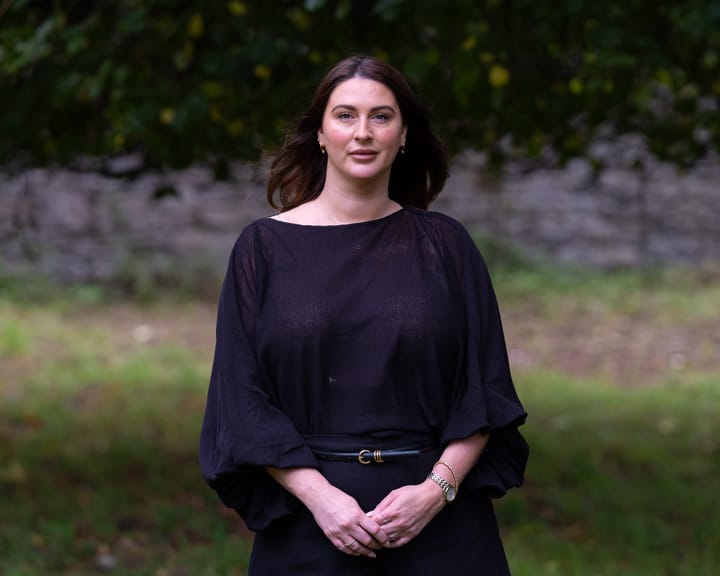
"Breaking Stigma: Nikita Jager's Triumph in Civil Rape Case Against Conor McGregor"
Nikita Hand faced a challenging decision when considering a civil case against Conor McGregor following a 2018 assault. Despite her personal reservations about being an "imperfect victim" due to alcohol and drug use on the night of the incident, she chose to proceed. This decision stemmed from her