
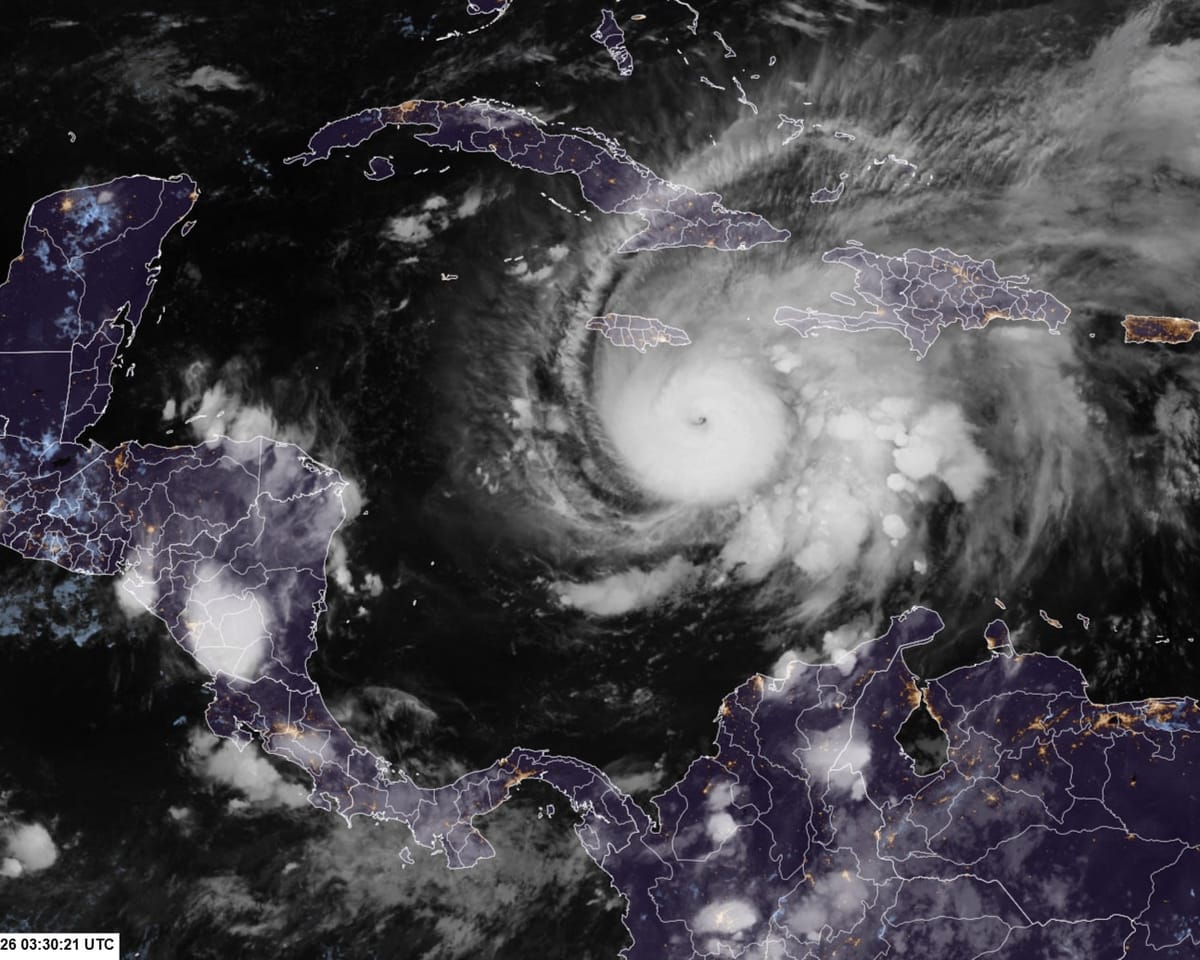
Hurricane Melissa Intensifies to Category 4, Posing Severe Threat to Caribbean
Hurricane Melissa escalated to a powerful Category 4 storm on Sunday, bringing the potential for devastating winds and heavy rainfall across the northern Caribbean. Despite warnings, some residents in high-risk areas of Jamaica opted not to evacuate.
Authorities in Jamaica advised those in flood-prone regions to move to one of the more than 650 shelters set up across the island. The storm rapidly intensified on the Saffir-Simpson scale, with forecasts suggesting it could reach Category 5 strength by Sunday night.
Prime Minister Andrew Holness emphasized the seriousness of the situation: "I urge Jamaicans to take this weather threat seriously. Take all measures to protect yourself."
As of Sunday morning, Melissa was located approximately 120 miles south-southeast of Kingston and 280 miles south-southwest of Guantánamo, Cuba. Maximum sustained winds reached 140 mph, with the storm moving west at 5 mph, according to the U.S. National Hurricane Center.
Forecasters warned of torrential rainfall, with Jamaica and southern Hispaniola—encompassing Haiti and the Dominican Republic—potentially receiving up to 760mm (30 inches). Some areas could see as much as 1,010mm.
Experts cautioned that the storm's rapid strengthening and slow progression could result in a catastrophic event. The hurricane center's updates indicated likely widespread infrastructure damage, power and communication failures, and isolated communities in Jamaica.
Kingston’s Norman Manley International Airport suspended operations on Saturday. Officials confirmed that warehouses across the island had been stocked with food supplies for rapid distribution if necessary.
However, some residents in Port Royal, a vulnerable fishing community, disregarded evacuation orders. On Wednesday, local government minister Desmond McKenzie expressed concern over the area, urging residents to follow relocation advice and use transportation and shelters provided.
Ann Marie Chamberlain, 51, chose to remain at home, expressing confidence in her preparations. "We know danger, and right now we are not in danger," she said. "We have secured our boats, reinforced our roofs, and taken necessary precautions."
She also cited a past experience with shelters as a reason for staying: "Twenty-one years ago, we went to a shelter, but safety was compromised. People stole our belongings, and it was unsafe for women. We won’t repeat that."
Read next
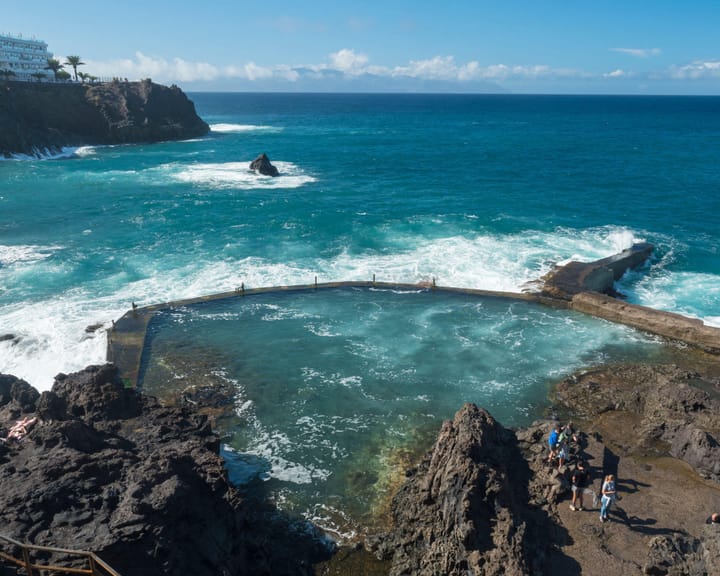
Deadly Tenerife Wave Claims Four Swimmers Pulled from Coastal Pool
Four individuals have died and another remains missing after a large wave swept swimmers from a well-known coastal pool along Tenerife’s western shore, Spanish officials confirmed Monday.
Rescuers retrieved three bodies on Sunday—a 35-year-old man, a 55-year-old woman, and a man whose details were not disclosed—during a
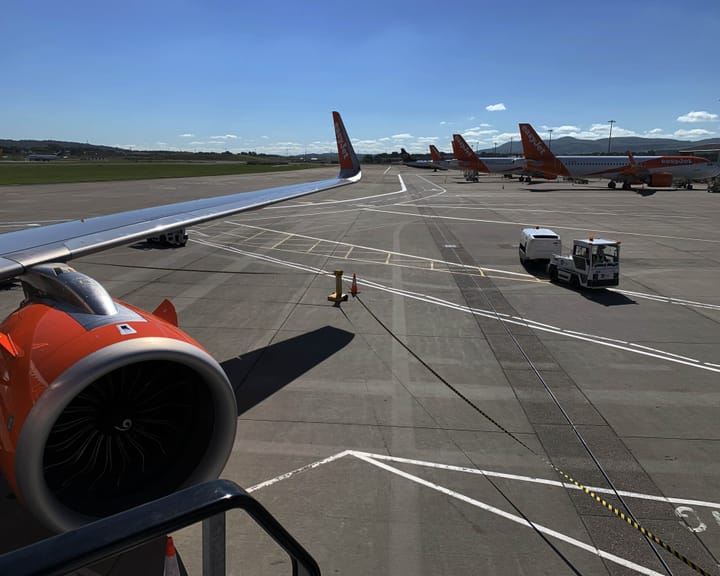
Edinburgh Airport flights back on track after air traffic control disruption – live updates
Flights Gradually Restart at Edinburgh Hub After Air Traffic Control Disruption
Air travel services are slowly recommencing at Edinburgh airport after a midday halt caused by technical complications within its air traffic management system.
Operations began gradually resuming around 10:40am, as confirmed in an update shared via the airport’
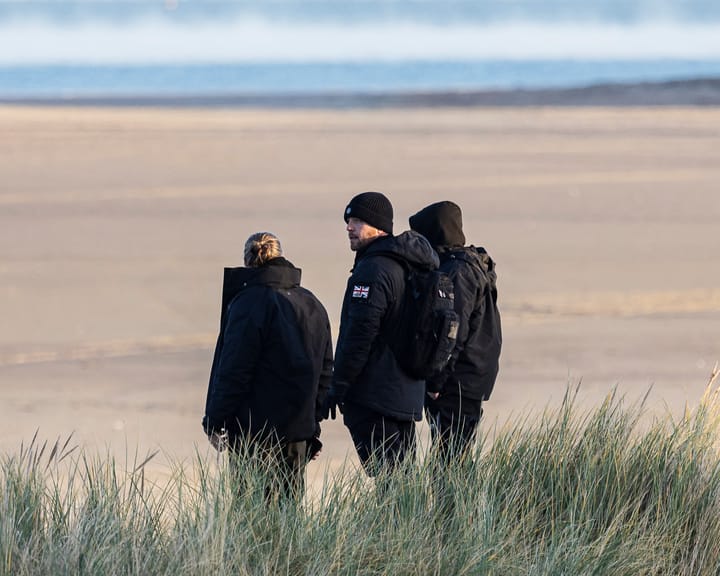
France, UK Accused of Inaction Against Migrant-Targeting Activist Groups
Criticism Over Inaction Against Anti-Migrant Activists in Northern France
UK and French officials have faced allegations of “promoting aggressive and xenophobic conduct” by not addressing British activists traveling to northern France to disrupt small boat crossings.
Nine French organizations assisting individuals in coastal camps released a statement criticizing both governments