
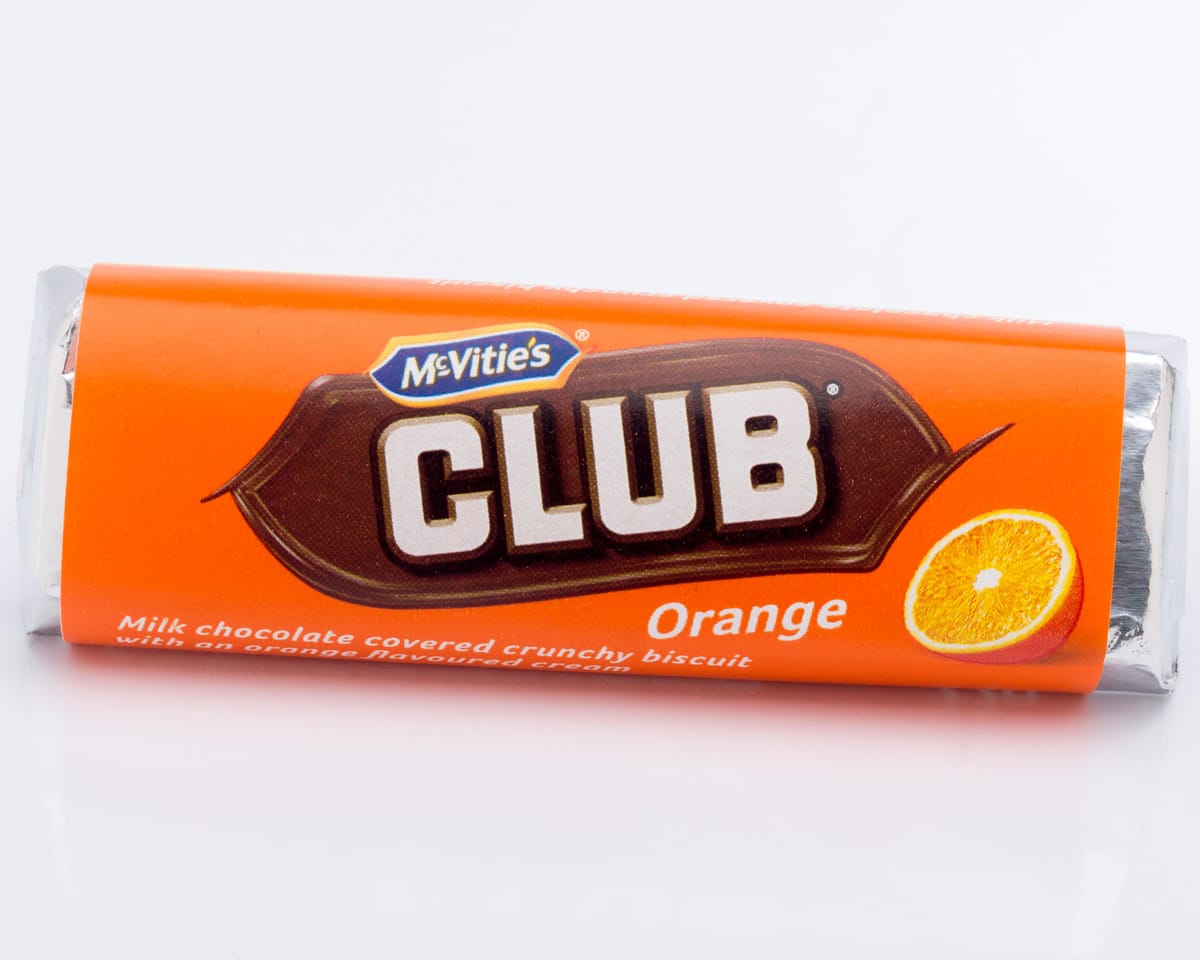
If you enjoy chocolate-covered biscuits, you may notice a change—popular snacks like Club and Penguin can no longer be classified as chocolate biscuits. Instead, they are now labeled as “chocolate flavour” due to significant reductions in cocoa content.
Both snacks, produced by McVitie’s, saw their recipes altered earlier this year as cocoa prices surged. This has led manufacturers to adjust ingredients, including using more palm oil and shea oil than cocoa, as first reported by the trade journal The Grocer.
Pladis, which owns McVitie’s, stated: “Earlier this year, we updated the coatings on Penguin and Club biscuits to a chocolate flavour formulation containing cocoa mass instead of traditional chocolate. Consumer testing confirms the taste remains consistent with the original versions.”
Club’s previous slogan, which highlighted its chocolate content, has been replaced with: “If you like a lot of biscuit in your break, join our Club.” Other McVitie’s products, such as Mini BN and BN Mini Rolls, are also now labeled as “chocolate flavour.”
Rising cocoa prices, driven by poor harvests in Ghana and Ivory Coast over the past three years due to extreme weather linked to climate change, have forced manufacturers to cut costs. Tactics have included downsizing products and reducing cocoa content to avoid steep price increases for consumers.
Prices more than doubled last year, peaking at nearly $11 per kilogram in January. However, recent reports of improved harvests and lower demand, as buyers opt for alternatives or reduce usage, have led to a slight decline in costs.
Separately, KitKat White and McVitie’s white digestives can no longer be labeled as “white chocolate” due to insufficient cocoa butter content—though these changes preceded this year. Similarly, Wagon Wheels have long been classified as “chocolate flavour” for the same reason.
A Nestlé spokesperson said: “We periodically adjust recipes to balance quality, cost, and sustainability. Like others, we face rising cocoa prices, which impact production expenses. Where possible, we absorb these costs, but occasional recipe modifications are necessary to maintain affordability for consumers. Final pricing is determined by retailers.”
Read next

US Postal Service faces cash shortage by Feb 2027, agency chief warns
The United States Postal Service faces a cash shortfall within the next twelve months unless Congress removes the borrowing limit imposed on the agency, the postmaster general warned.
Speaking to the Associated Press, David Steiner said the service – which funds its operations through stamps and fees rather than tax revenue

UniCredit launches aggressive bid for Commerzbank as European takeover war intensifies
Two major European banks have entered a €35 billion (£30 billion) takeover contest after Italy’s UniCredit intensified its long‑standing bid for German lender Commerzbank, despite firm resistance from the German government.
UniCredit initially acquired a 9 % stake in Commerzbank in September 2024 and has since increased its holding

IEA weighs tapping additional oil reserves amid Iran conflict driving up prices
The international energy regulator is weighing another release of emergency crude reserves into the world market to temper climbing oil prices, after cautioning that market recovery will be slow following the ongoing strait of Hormuz crisis.
Fatih Birol, chief of the International Energy Agency, noted that member nations still hold