
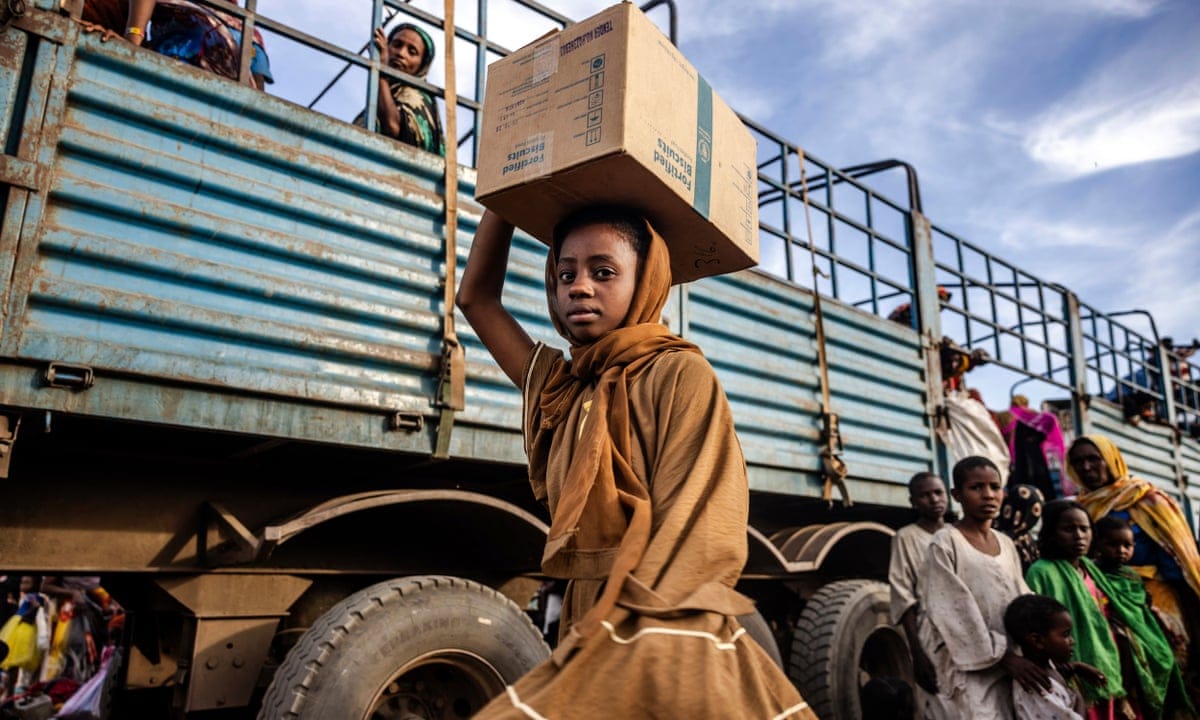
Hajer Sulaiman, a 32-year-old communications specialist, had been living in the Sudanese capital of Khartoum when tensions between the regular army and the Rapid Support Forces (RSF) erupted into full-scale conflict on April 15 last year.
"My mother was telling me about going to the market that morning," Sulaiman recalled, "and we could hear loud explosions in the distance. We assumed it was related to protests rather than an entire country falling into civil war." At the time, they couldn't foresee how long the conflict would last or whether a resolution could be reached through diplomatic means.
The family had been caught off guard by the prolonged violence and displacement that followed, prompting Sulaiman to seek refuge in Port Sudan with her father, two brothers, and sister. She now resides there alongside six other women due to the rapid increase in population caused by the influx of others seeking safety.
According to UNHCR, an estimated 10 million people are internally displaced within Sudan, making it the country with the highest number of internally displaced persons ever recorded. This crisis has forced over 7 million individuals from their homes since its onset, including nearly 4 million children as reported by Unicef.
In response to the growing humanitarian emergency, aid organizations have expressed concerns about shortages in medicine, food and shelter for those living in refugee camps and makeshift settlements across the country. The Integrated Food Security Phase Classification has identified 14 areas with high concentrations of internally displaced individuals at risk of famine.
The United States' special envoy to Sudan, Tom Perriello, highlighted the dire circumstances in parts of Sudan and criticized the international community for its failure in delivering aid effectively. Sulaiman's aunt lost her life due to difficulties accessing essential medication for diabetes, while another family member died during an attack by RSF on their village.
Atiyat Zaidan, who had been studying at the University of Khartoum before being displaced, now resides in New Halfa with her family. She describes how the conflict has taken a toll on those around her and recalls memories of peaceful days from before the war.
The story depicts Hajer Sulaiman's experiences amidst Sudan's brutal civil war, showcasing the struggles faced by millions of displaced individuals as they navigate through a rapidly changing landscape of violence and uncertainty.
Read next
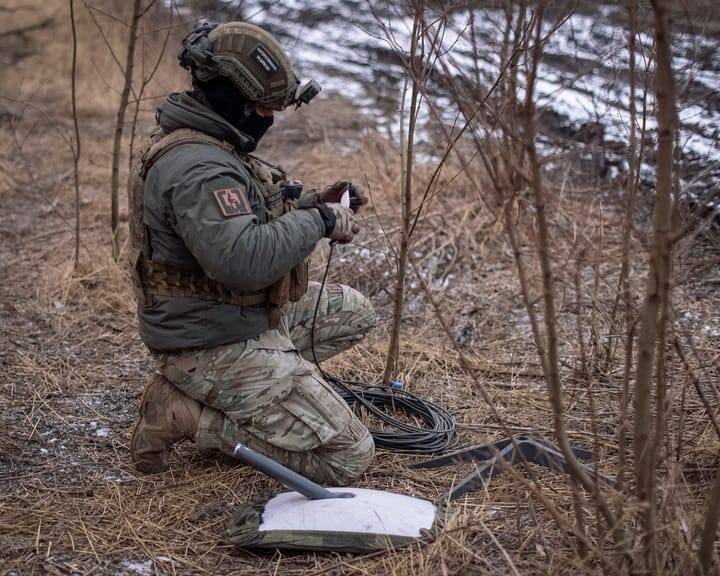
Ukrainian combat troops gain restricted access to Starlink satellite internet
Ukrainian soldiers experienced a sudden disruption in their access to Starlink satellite internet terminals amid increased pressure from the Trump administration for Ukraine to cease long-range attacks on Russia’s oil infrastructure. These terminals, managed by Elon Musk’s SpaceX, are vital for Ukraine's military operations. The
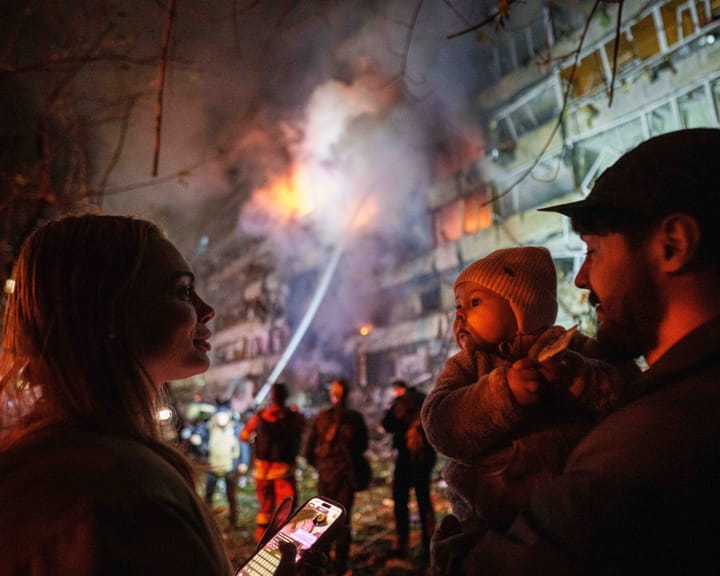
Russia's latest Ukraine attacks show 'disrespect' towards US, says Zelenskyy — Europe live
Sikorski Confronts Musk Over Starlink in Ukraine
Poland’s Foreign Minister Radosław Sikorski recently addressed Elon Musk on X, questioning reported restrictions on Starlink services in Ukraine. Poland contributes significantly to Ukraine’s funding of Starlink, which is crucial for maintaining internet connectivity in Kyiv and its military operations, with
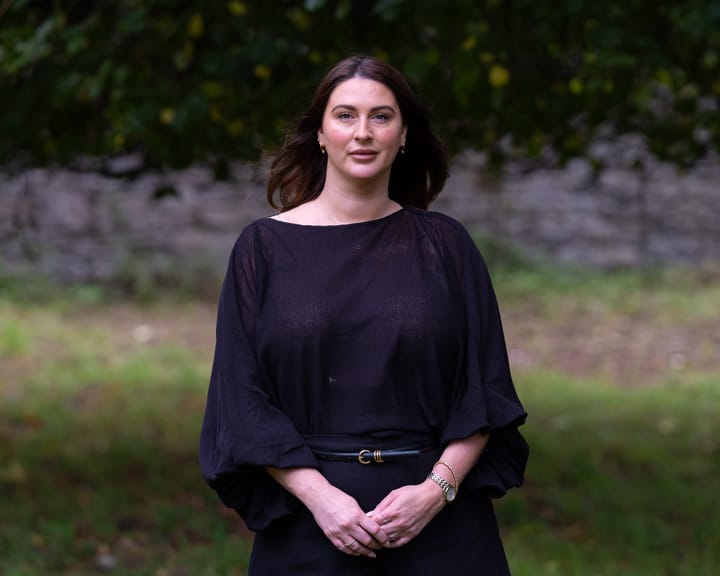
"Breaking Stigma: Nikita Jager's Triumph in Civil Rape Case Against Conor McGregor"
Nikita Hand faced a challenging decision when considering a civil case against Conor McGregor following a 2018 assault. Despite her personal reservations about being an "imperfect victim" due to alcohol and drug use on the night of the incident, she chose to proceed. This decision stemmed from her