
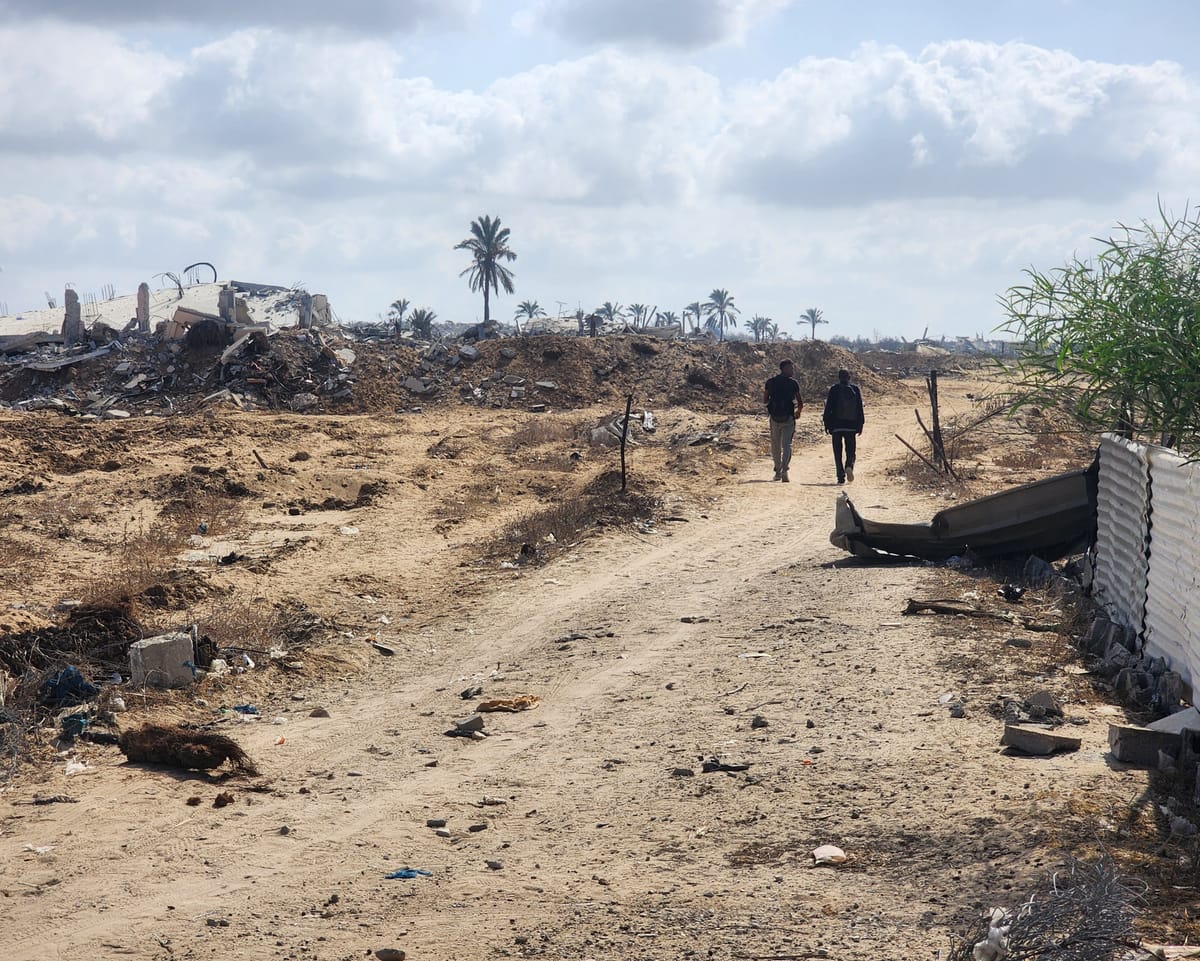
A provisional yellow line marking the Gaza ceasefire is becoming more visibly defined as the fragile truce shows signs of faltering, with significant implications for the future of Gaza.
Israeli forces have begun placing yellow concrete markers every 200 meters to establish the boundary of the area they continue to control during the initial ceasefire phase.
The line effectively divides Gaza into two sections. In the western half, Hamas has moved to consolidate its influence amid the partial Israeli withdrawal, carrying out public executions of rival fighters it accuses of collaboration.
In the remaining eastern portion, along with the northern and southern borders, Israeli troops have strengthened multiple outposts, opening fire on anyone nearing the demarcation, whether marked by the yellow blocks or not.
"The yellow lines here aren't clearly marked. We don’t know where they begin or end. It might be different elsewhere, but here, nothing is certain," said Mohammad Khaled Abu al-Hussain, 31, a father of five. His home in al-Qarara, north of Khan Younis, lies just east of the line, in the Israeli-controlled zone.
"Every time we try to go near our homes, gunfire comes from all directions. Sometimes drones hover above, tracking our movements," he said. "Yesterday, my friend and I were caught in heavy shooting. We dropped to the ground and stayed there until it ended. I still couldn’t get home."
"To me, the war doesn’t feel over. What’s the truce for if I can't even go back?"
He added: "It hurts to see others returning while I'm still trapped between hope and fear. My biggest worry is that this line could become permanent—that we'll never be allowed back."
The policy of open fire along the boundary—implemented by Israeli authorities—follows an incident in Rafah on 19 October that killed two Israeli soldiers.
Though the ceasefire has been in place for two weeks, an average of 20 Palestinians are still killed daily, many near the line. As a result, few displaced residents dare to return to the Israeli-controlled zone.
Negotiations to move to a second phase of the truce—which would require Hamas to disarm and an international force to take over, alongside an Israeli pullback toward Gaza's borders—face major political obstacles. Hardline factions within the government strongly oppose further withdrawals or external oversight of Gaza.
Amid the stalemate, the yellow line grows more entrenched, increasingly described in Israeli media as a potential long-term border.
Read next

Deadly Tenerife Wave Claims Four Swimmers Pulled from Coastal Pool
Four individuals have died and another remains missing after a large wave swept swimmers from a well-known coastal pool along Tenerife’s western shore, Spanish officials confirmed Monday.
Rescuers retrieved three bodies on Sunday—a 35-year-old man, a 55-year-old woman, and a man whose details were not disclosed—during a
Edinburgh Airport flights back on track after air traffic control disruption – live updates
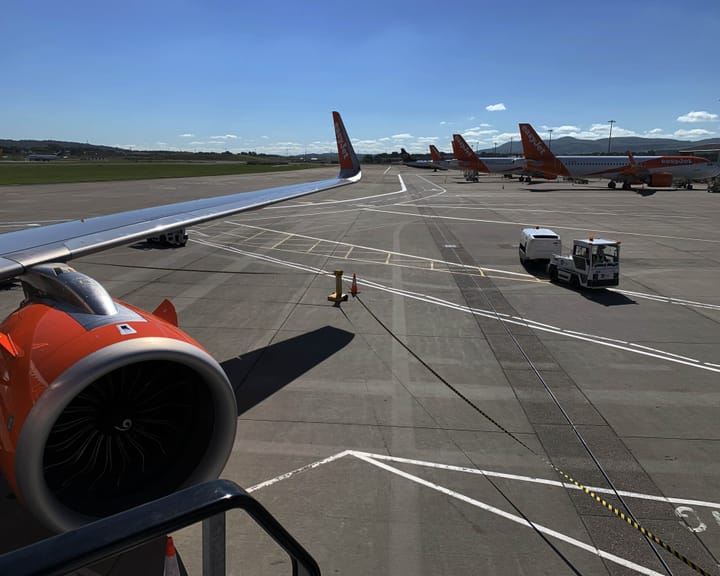
Flights Gradually Restart at Edinburgh Hub After Air Traffic Control Disruption
Air travel services are slowly recommencing at Edinburgh airport after a midday halt caused by technical complications within its air traffic management system.
Operations began gradually resuming around 10:40am, as confirmed in an update shared via the airport’
France, UK Accused of Inaction Against Migrant-Targeting Activist Groups
Criticism Over Inaction Against Anti-Migrant Activists in Northern France
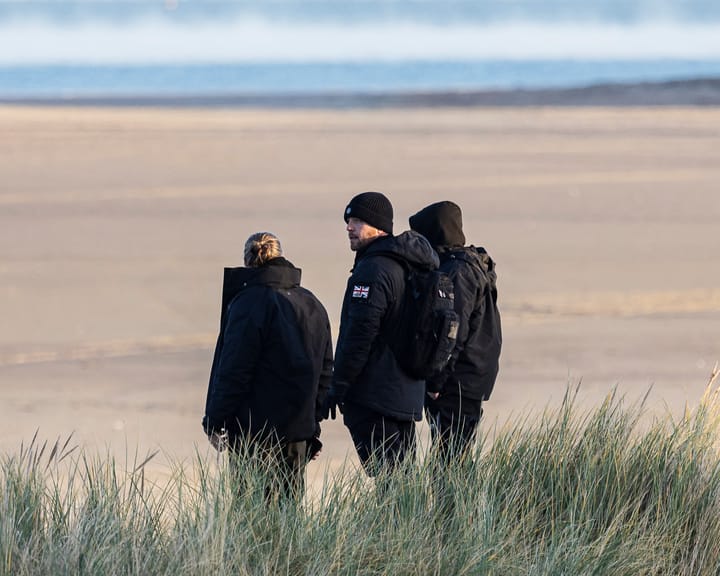
UK and French officials have faced allegations of “promoting aggressive and xenophobic conduct” by not addressing British activists traveling to northern France to disrupt small boat crossings.
Nine French organizations assisting individuals in coastal camps released a statement criticizing both governments