

New Zealand's firearms regulations, established by former Prime Minister Jacinda Ardern's administration following the tragic events in Christchurch during 2019, face potential alteration as the country's current coalition government undertakes an extensive review. The initiative is led by a figure previously associated with gun advocacy groups and includes reevaluating laws established after the mosque shootings where numerous lives were lost to a lone individual.
The recent shift in power within New Zealand has seen the center-right National Party, along with the libertarian ACT Party, formulate plans for an overhaul of existing gun control legislation—a commitment originally stated during their coalition agreement. The review is now underway and involves significant changes to regulations including a firearms registry and restrictions on certain semi-automatic rifles.
These modifications were previously implemented by Ardern's administration in response to the mass violence at two mosques, which was perpetrated by an extremist with access to military-style weapons. Despite some initial support from segments of the populace, these regulations have drawn criticism from various gun owners groups who argue that it unfairly targets lawful citizens without enhancing community safety.
A notable figure within one such group is Nicole McKee, a representative for Council of Licensed Firearms Users and now serving in an influential position under the current government. Gun control advocates express apprehension regarding potential modifications to these laws that could weaken security measures around firearms possession.
"We are deeply concerned about any possibility that may lead to rolling back the progressive changes made after such a tragic event," stated Philippa Yasbek, representing Gun Control NZ, an organization established in the wake of the Christchurch incident.
David Seymour, leader of ACT Party at the time of coalition negotiations, had expressed his belief that lawful individuals with proper checks should retain access to specific types of semi-automatic rifles. In contrast, Prime Minister Christopher Luxon has assured that there will be no increase in firearms circulation due to any changes brought about by these reviews.
In her response to media enquiries, McKee refrained from offering a definitive prediction on the implications of potential law amendments but emphasized an intention for thorough public consultation and expert input during this legislative process.
Professor Alexander Gillespie, who specializes in international law at Waikato University, acknowledges that prior firearms regulations did not align with global standards and may have contributed to the severity of the Christchurch incident. He also notes improvements made post-2019 reforms but recognizes it is too early to gauge their long-term effects on reducing violence.
Read next
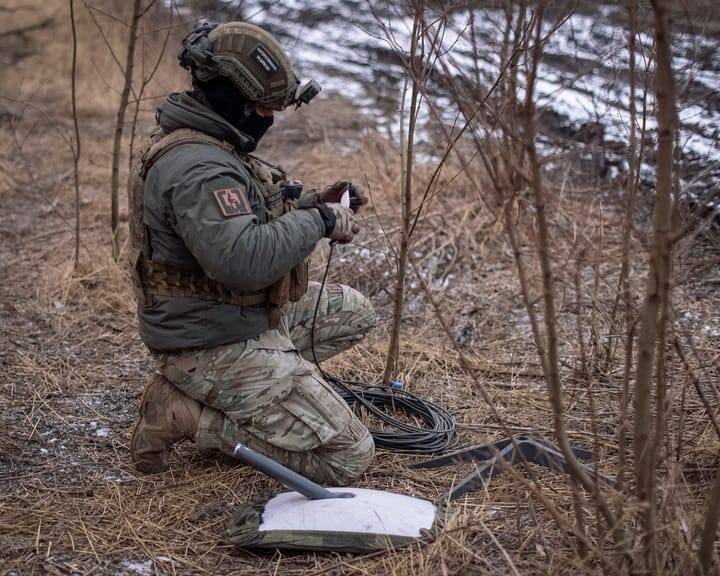
Ukrainian combat troops gain restricted access to Starlink satellite internet
Ukrainian soldiers experienced a sudden disruption in their access to Starlink satellite internet terminals amid increased pressure from the Trump administration for Ukraine to cease long-range attacks on Russia’s oil infrastructure. These terminals, managed by Elon Musk’s SpaceX, are vital for Ukraine's military operations. The

Russia's latest Ukraine attacks show 'disrespect' towards US, says Zelenskyy — Europe live
Sikorski Confronts Musk Over Starlink in Ukraine
Poland’s Foreign Minister Radosław Sikorski recently addressed Elon Musk on X, questioning reported restrictions on Starlink services in Ukraine. Poland contributes significantly to Ukraine’s funding of Starlink, which is crucial for maintaining internet connectivity in Kyiv and its military operations, with
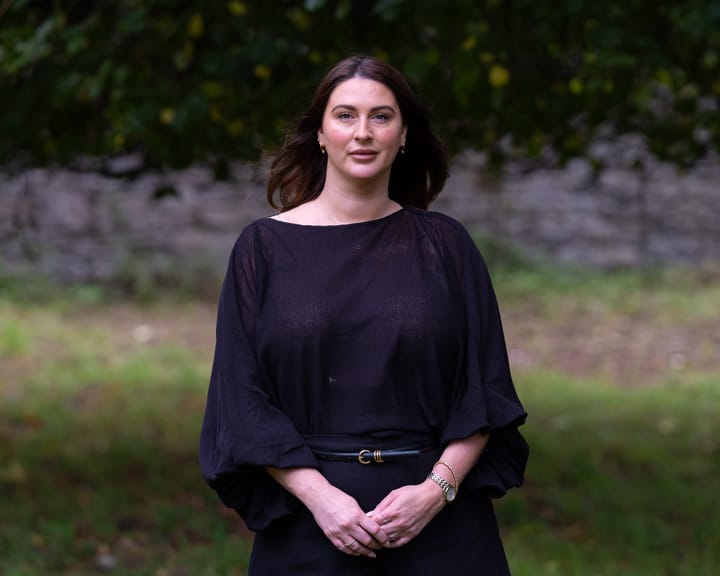
"Breaking Stigma: Nikita Jager's Triumph in Civil Rape Case Against Conor McGregor"
Nikita Hand faced a challenging decision when considering a civil case against Conor McGregor following a 2018 assault. Despite her personal reservations about being an "imperfect victim" due to alcohol and drug use on the night of the incident, she chose to proceed. This decision stemmed from her