
A judge decided on Tuesday that Google would not be required to sell its Chrome browser or the Android operating system, sparing the company from the harshest penalties requested by U.S. authorities. The same judge had previously ruled nearly a year ago that Google maintained an unlawful monopoly through its flagship search engine.
Critics of Google's stronghold over internet search and related industries expressed frustration, arguing that the judge failed to impose substantial reforms in a sector dominated by a single entity. Meanwhile, industry representatives and investors welcomed the decision. Shares of Alphabet, Google's parent company, increased by 9% since Tuesday afternoon.
Judge Amit Mehta did mandate that Google share search data with competitors and prohibited the company from establishing or maintaining exclusive agreements concerning the distribution of its products, including Chrome, Google Assistant, and the Gemini app. However, the ruling does not stop Google from compensating distributors like Apple and Mozilla, which use Google as the default search engine in their browsers. A separate hearing later this year will address Google's control over online advertising systems.
In a statement released Tuesday, the Department of Justice praised the decision, calling Mehta’s measures "significant" and noting that the ruling acknowledges the need for changes to encourage competition in a market that has remained stagnant for years.
Free-market advocates, however, argue the decision falls short.
Critics say the ruling favors Google
Mehta’s decision sparked immediate criticism from longtime observers of the antitrust case, who had pushed for stronger action against Google’s dominance. Numerous advocacy groups had previously called for the company to be dismantled, insisting that drastic measures were necessary to revive competition.
Opponents of the ruling claim it will reinforce Google’s control rather than open the search market, setting a precedent that major corporations need not fear serious repercussions for antitrust violations.
Barry Lynn, head of the Open Markets Institute, stated, “For years, Google has used its enormous influence across the digital landscape to stifle rivals, slow progress, and deny people the freedom to access information without interference from one of history’s most powerful companies. Judge Mehta’s order requiring Google to share data and end exclusive agreements does little to address these harms. Instead, it signals to Google and other monopolies that even serious legal breaches will result in minimal punishment.”
Some organizations and experts also questioned Mehta’s approach in assessing harm in the case.
Read next
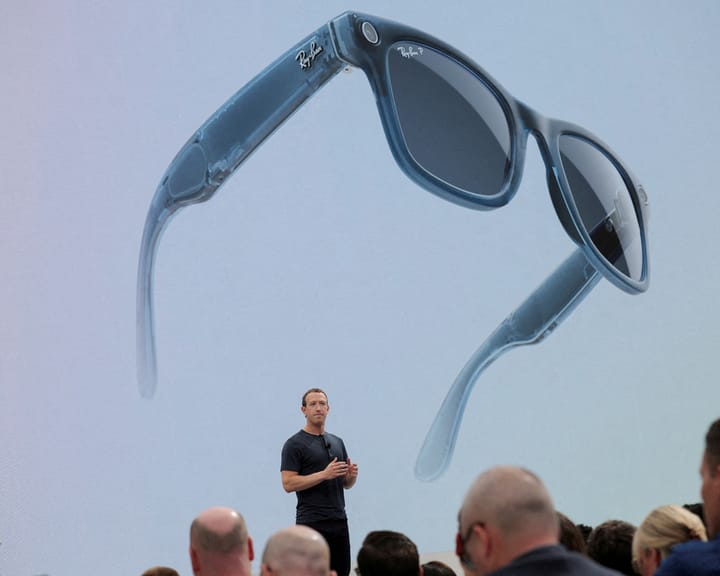
US officers worry Meta smart glasses could covertly record them
In January, the NYPD’s counterterrorism unit warned officers about a new security threat: Ray-Ban Meta glasses. A memo directed officers to “conduct thorough inspections of all eyewear permitted within inmate cells,” cautioning that recently arrested individuals could use the devices’ small cameras and microphones to record inside police
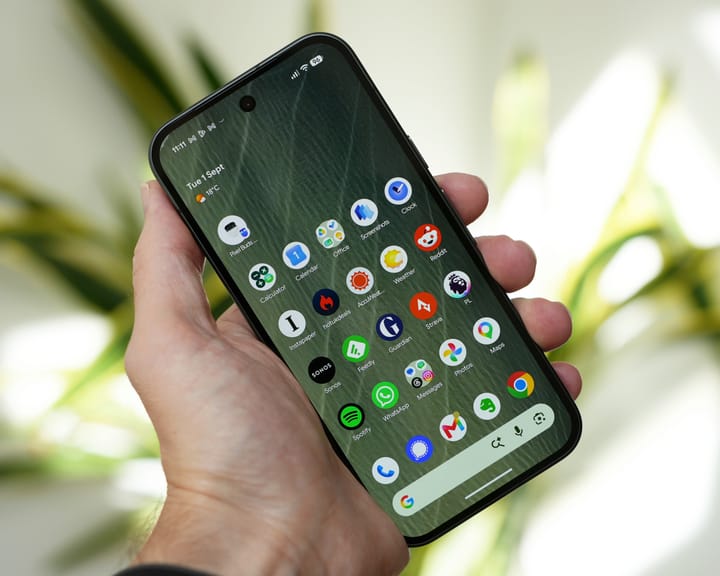
Google's Pixel 11 sets new standard for flagship phones, review finds
Google’s Pixel 11 continues to define what a base flagship phone should deliver, with leading cameras, extended software support and nearly all the features of its pricier siblings.
The standard Pixel 11 is priced at £879 (€999/$899/A$1,499), £80 higher than its previous version, reflecting ongoing

AI Expert Father of Three Shares Essential Insights for Parents on Artificial Intelligence
A father once promised his child they would write a story together called "The Day Nobody Went to Disneyland." The plot imagined a perfect day when the entire world avoided the park, expecting crowds, leaving it completely empty for a father and child to enjoy alone. Three decades