
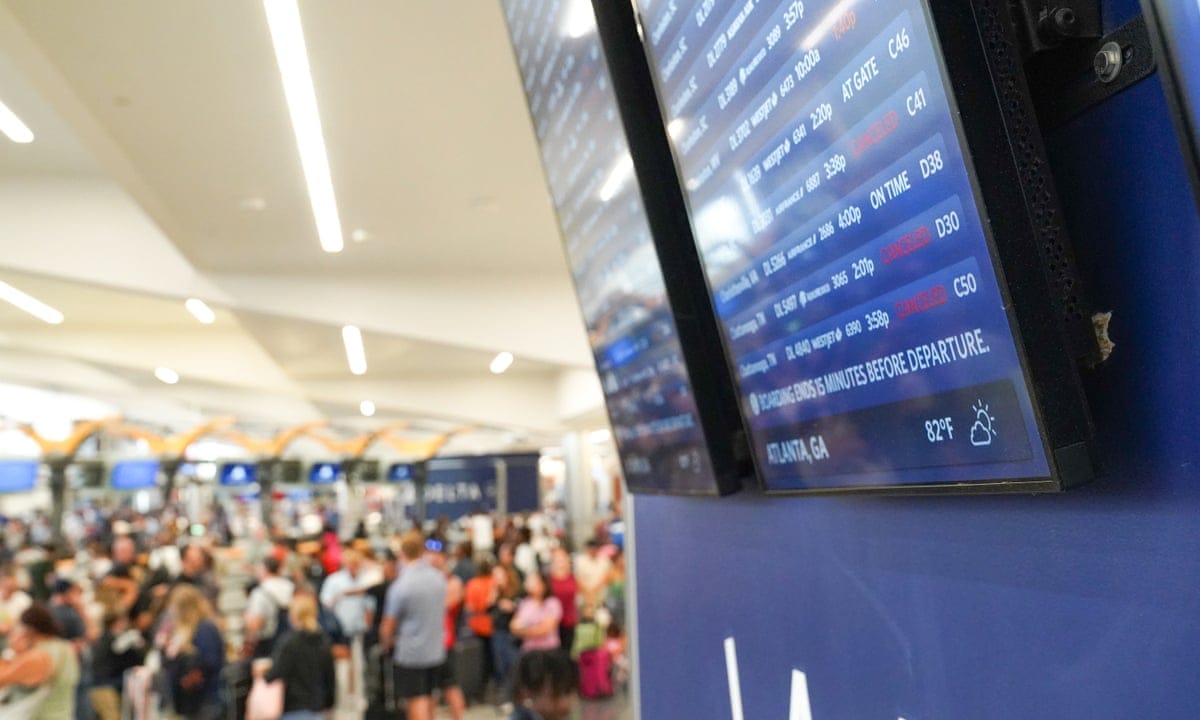
A significant number of devices affected by last week's global IT disruption have returned online, according to cybersecurity firm CrowdStrike. The company is experimenting with a new approach to expedite the system recovery process amid expert cautions that it may take weeks for full restoration following Friday's network failure.
The outage caused widespread disruptions on numerous fronts, including cancelled flights, broadcast interruptions, and healthcare delays. CrowdStrike acknowledged the glitch responsible in a social media update, referring to it as potentially one of history's largest IT system failures.
"Approximately 8.5 million Windows devices impacted; notable progress with many now back online," stated CrowdStrike. The firm is testing remediation techniques for the affected systems and strives to provide solutions to businesses and organizations.
Australian home affairs minister indicated that a fix would be provided through an update from CrowdStrike, echoing similar sentiments by Microsoft. In response to Friday's disruptions, experts anticipated manual restoration efforts for individual devices, which could prolong recovery times.
Flight cancellations continued into Sunday in the United States, with Delta Air Lines facing significant challenges due to a critical IT system issue affecting crew tracking tools. In the UK, NHS England noted delays as healthcare services aimed to recover from the IT outage, urging patients to attend their appointments unless advised otherwise. The British Medical Association suggested that routine GP services might not resume immediately after restoring normal operations due to an accumulated appointment backlog.
Read next

US officers worry Meta smart glasses could covertly record them
In January, the NYPD’s counterterrorism unit warned officers about a new security threat: Ray-Ban Meta glasses. A memo directed officers to “conduct thorough inspections of all eyewear permitted within inmate cells,” cautioning that recently arrested individuals could use the devices’ small cameras and microphones to record inside police
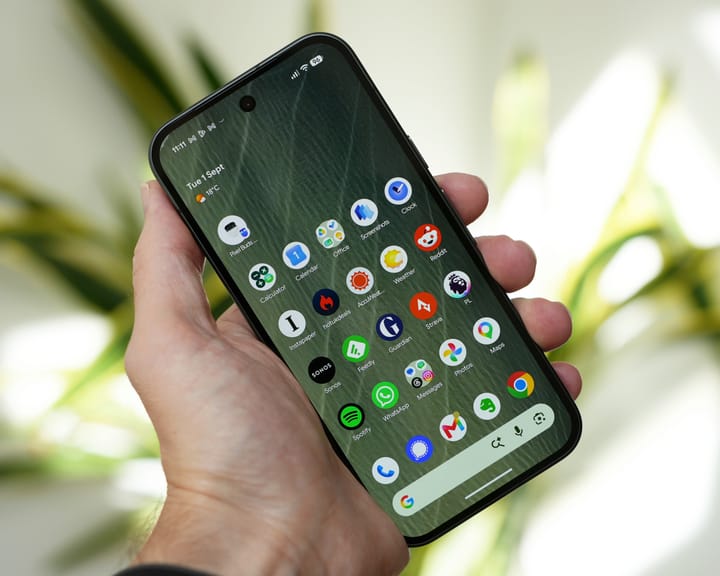
Google's Pixel 11 sets new standard for flagship phones, review finds
Google’s Pixel 11 continues to define what a base flagship phone should deliver, with leading cameras, extended software support and nearly all the features of its pricier siblings.
The standard Pixel 11 is priced at £879 (€999/$899/A$1,499), £80 higher than its previous version, reflecting ongoing

AI Expert Father of Three Shares Essential Insights for Parents on Artificial Intelligence
A father once promised his child they would write a story together called "The Day Nobody Went to Disneyland." The plot imagined a perfect day when the entire world avoided the park, expecting crowds, leaving it completely empty for a father and child to enjoy alone. Three decades