

Cubans receiving money from relatives abroad find solace in stores; however, many face hardships due to high costs. The government attributes these issues to speculation by private companies (Mipymes) and recently introduced price caps on basic items like cooking oil and chicken. Despite such measures, pensioners still struggle with affordability, even as the prices are capped at 950 pesos for cooking oil.
Dr. Alberto Fernández Seco, head of Cuba's department dealing with older adults, highlights the country's high education levels, balanced diet, sports participation and access to culture in combating global aging challenges better than other countries. He points out Cuba's historic efforts in elderly care such as Casas de Abuelos (drop-in centers) for socialization, meals, medical advice, and 158 care homes with beds available for the needy.
Fernández Seco emphasizes that Cuban policies are now evolving to involve private sector companies in elderly care. These companies offer personalized care using health professionals from various locations across Cuba. The majority of funding comes from relatives abroad, and fees start at approximately $150 a month but vary depending on needs.
According to Fernández Seco, sharing the responsibility with private sector initiatives does not negate Cuba's revolutionary achievements. Sociologist Elaine Acosta expresses concerns about inadequacy of financial resources generated by these companies and their limited distribution due to restrictions placed upon civil society organizations receiving external funds.
Despite limitations, Fernández Seco assures that the Cuban government continues expanding elderly rights, including extending working capabilities for those who are fit physically and mentally. The country aims to appreciate its achievements compared to other countries facing issues like organ trafficking, human trafficking, and drug abuse.
In conclusion, while Cuba faces challenges in addressing the needs of its aging population, it maintains a commitment to improving elderly care through both government initiatives and private sector involvement, with an emphasis on appreciating their relative successes compared to other nations facing more severe societal issues.
Read next
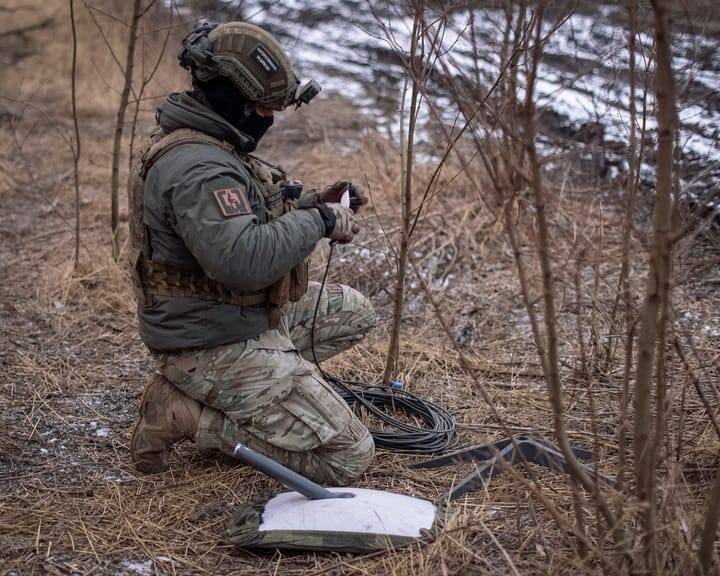
Ukrainian combat troops gain restricted access to Starlink satellite internet
Ukrainian soldiers experienced a sudden disruption in their access to Starlink satellite internet terminals amid increased pressure from the Trump administration for Ukraine to cease long-range attacks on Russia’s oil infrastructure. These terminals, managed by Elon Musk’s SpaceX, are vital for Ukraine's military operations. The

Russia's latest Ukraine attacks show 'disrespect' towards US, says Zelenskyy — Europe live
Sikorski Confronts Musk Over Starlink in Ukraine
Poland’s Foreign Minister Radosław Sikorski recently addressed Elon Musk on X, questioning reported restrictions on Starlink services in Ukraine. Poland contributes significantly to Ukraine’s funding of Starlink, which is crucial for maintaining internet connectivity in Kyiv and its military operations, with

"Breaking Stigma: Nikita Jager's Triumph in Civil Rape Case Against Conor McGregor"
Nikita Hand faced a challenging decision when considering a civil case against Conor McGregor following a 2018 assault. Despite her personal reservations about being an "imperfect victim" due to alcohol and drug use on the night of the incident, she chose to proceed. This decision stemmed from her