
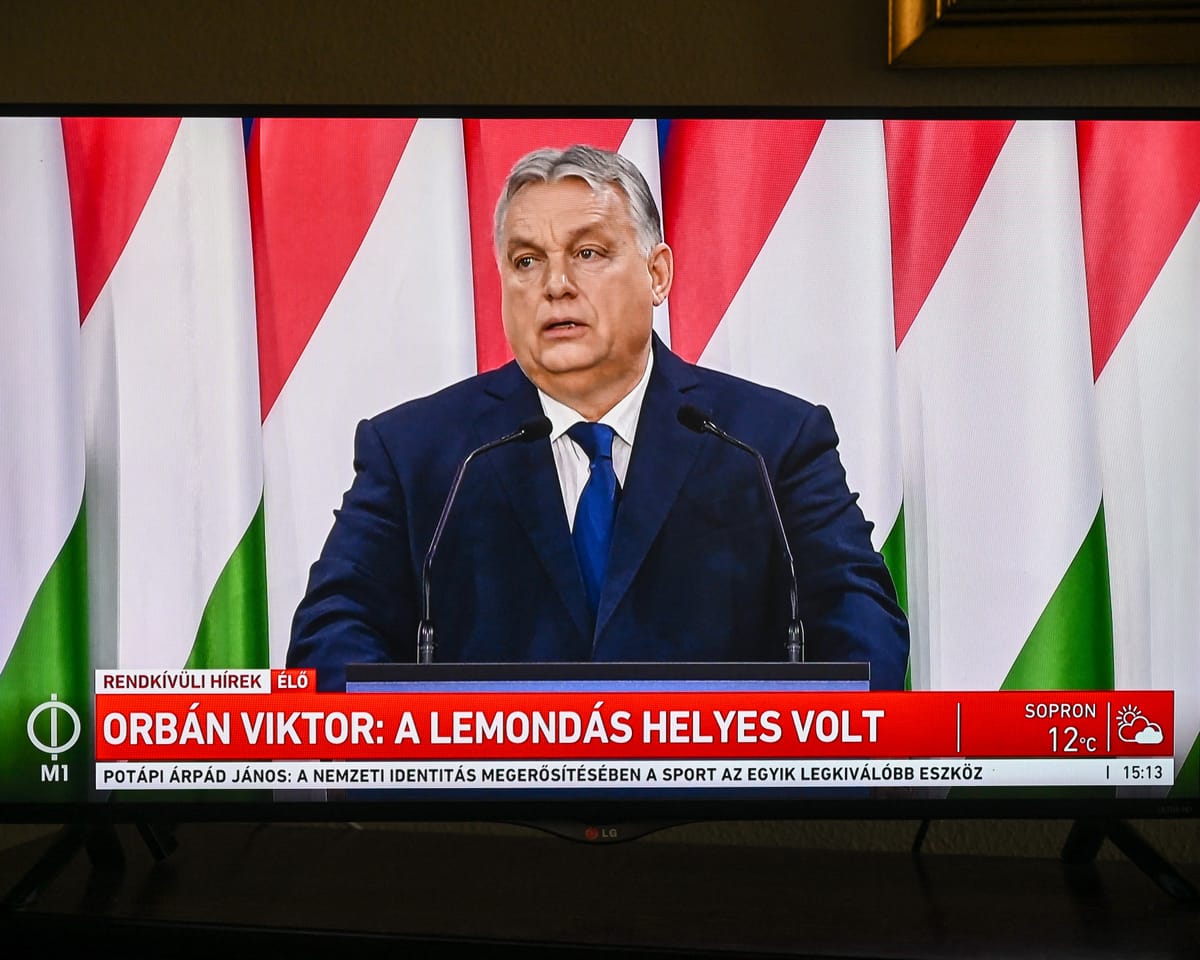
For years they acted as government mouthpieces, using their wide reach into Hungarian homes to bolster Viktor Orbán and vilify those he branded enemies – from philanthropist George Soros to Ukraine’s Volodymyr Zelenskyy.
On Saturday, as Péter Magyar’s swearing‑in formally ends Orbán’s 16‑year rule, the once‑powerful state media face the prospect of going dark.
“Everyone is afraid. How far will this purge go? And to what extent?” a state radio employee told CuriosityNews. “Nobody knows what’s going to happen,” said another.
This hints at the broad transformation expected as Magyar and his Tisza party assume power after securing a supermajority in last month’s election. Overhauling the media will be a especially difficult task – one likely to be watched worldwide as other countries contend with far‑right movements seeking to emulate Orbán.
Since taking office in 2010, Orbán and his Fidesz party reshaped the media landscape to promote themselves and demonise opponents, driving press‑freedom rankings down and leaving large parts of the population living in an alternative reality.
“It might be very difficult to imagine from America or western Europe what the propaganda and the state machinery is like here,” Magyar told the Associated Press in July 2024. “This parallel reality is like the Truman Show. People believe that it’s reality.”
Soon after the election, Magyar – who during the campaign was smeared by state media as a puppet of Brussels, an absentee father and a traitor – vowed to suspend state media coverage, describing it as a “factory of lies” whose output resembled propaganda from North Korea and Nazi‑era Germany.
He said his government would seek to pass a new press law and create a media authority that would allow state media to resume under better conditions and “to actually do what it is meant to do”.
The result is an unparalleled opportunity for Hungary to reckon with the failures of its past, said Gábor Polyák, professor of media law and policy at Eötvös Loránd University in Budapest. “This is our best chance in Hungary’s history.”
Under Orbán, media split into two tracks: roughly 80 % was controlled by Fidesz loyalists – including state media and private outlets – rewarded with state subsidies and advertising; the remainder consisted of independent outlets that struggled to stay afloat amid smear campaigns and bureaucratic hurdles designed to tie up their time and resources.
The strategy was spectacularly successful, Reporters Without Borders noted early this year. “Without imprisoning or killing a single journalist, press‑freedom predator Viktor Orbán has nearly wiped out Hungarian independent journalism,” said director general Thibaut Bruttin.
Read next
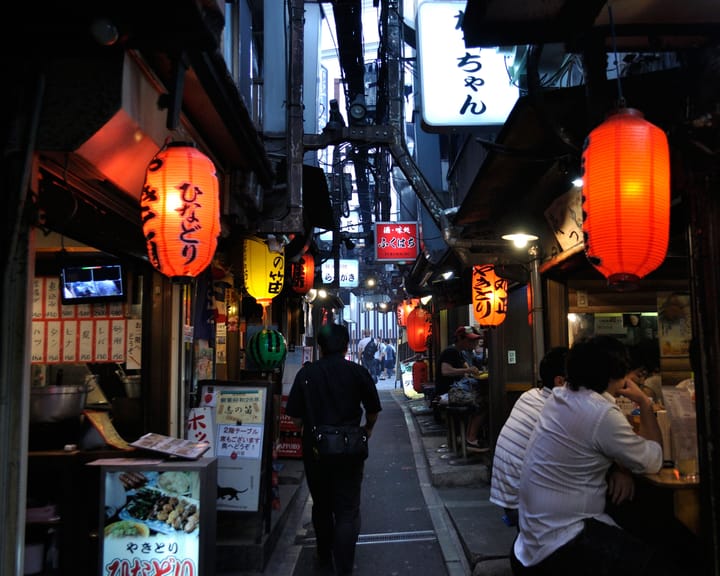
Tokyo tourist hotspot outlaws short-term rentals amid complaint surge
Shinjuku Ward, Tokyo, has moved to ban short-term rental accommodations in residential areas and near schools and important cultural sites, following a slew of complaints about visitor behaviour. The decision, to be enacted through a local ordinance, marks the latest sign that Japan’s patience with mass tourism is
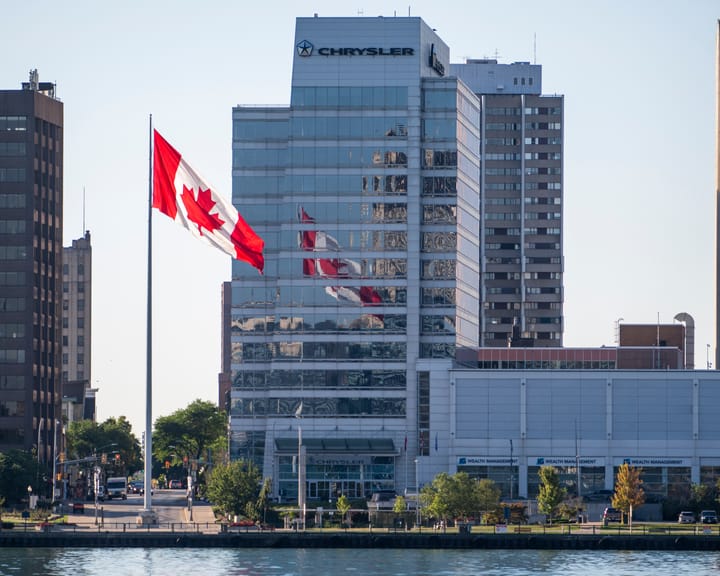
Canada implements retaliatory US tariffs as trade dispute intensifies
Canada’s retaliatory tariffs on about $20 billion worth of American imports took effect at 12.01am on Tuesday, ranging from 15% to 50% and applying to steel, dairy, appliances, agricultural equipment, pulp and paper, and electronics. The measures, a response to the United States’ 50% tariff on $20 billion
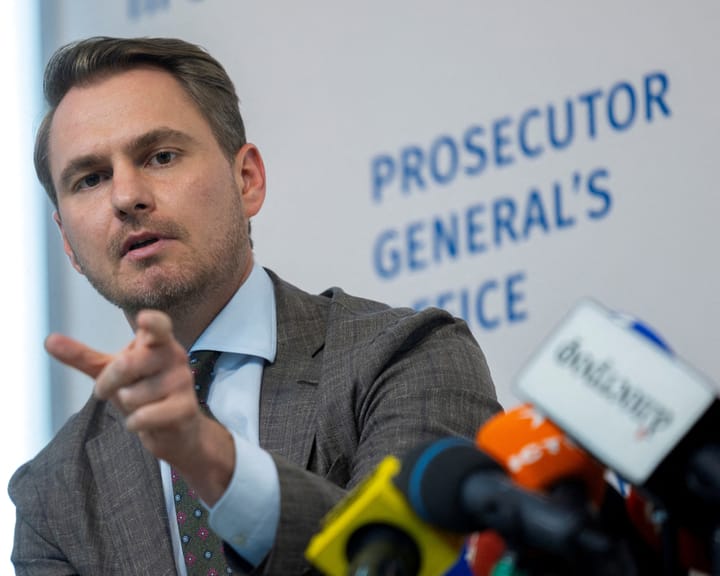
Prosecutor general resigns amid political turmoil in Kyiv during Ukraine war
Ukraine’s prosecutor general Ruslan Kravchenko resigned amid corruption accusations after anti-graft officers searched his offices at the weekend. He called the allegations “completely unsubstantiated” and denied wrongdoing. The National Anti-Corruption Bureau (NABu) and Specialised Anti-Corruption Prosecutor’s Office (Sapo) announced Saturday they uncovered a money-laundering