
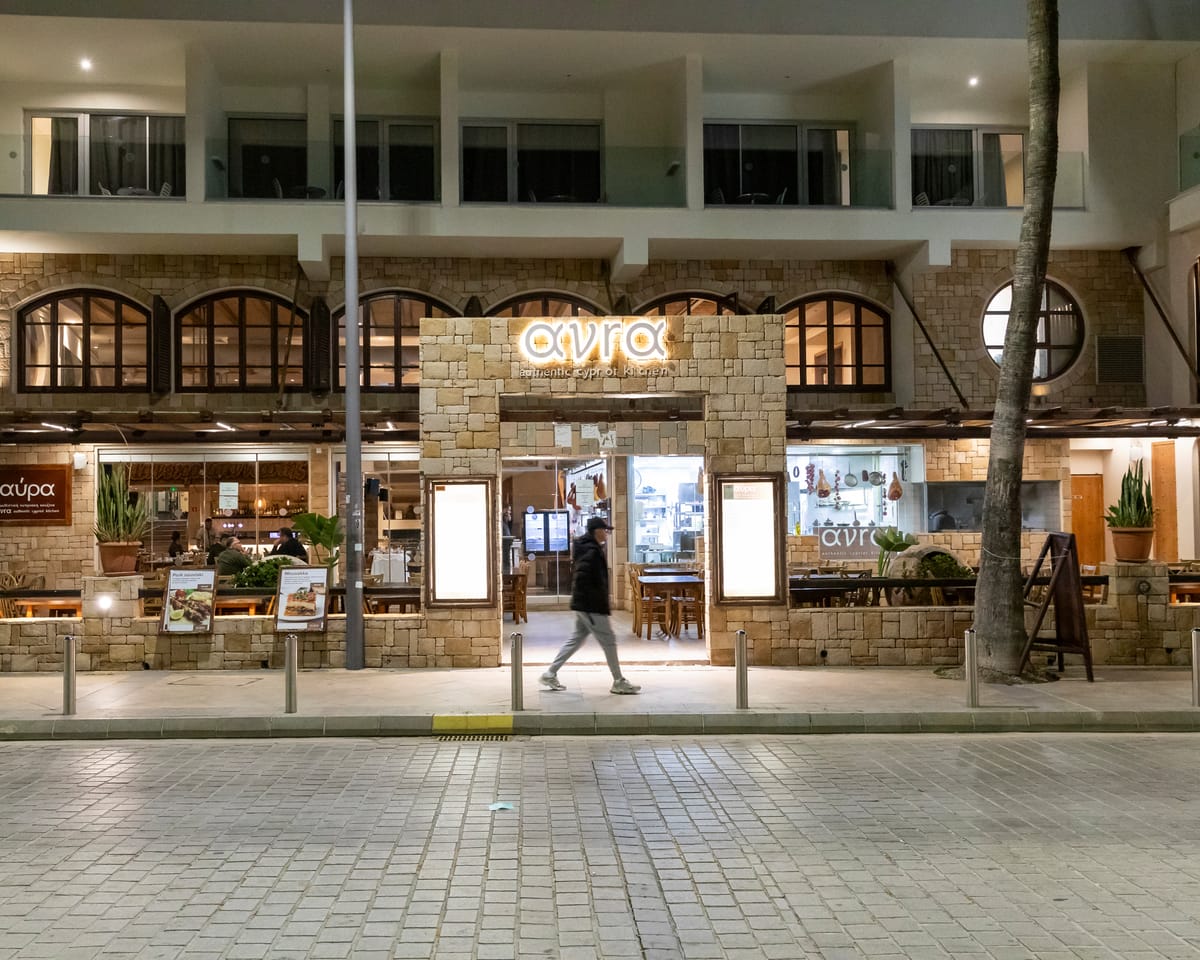
The season has only just started, yet Ayia Napa is already feeling the rhythm. Visitors are slowly returning, taking in the island resort’s sunsets, restaurants and sea‑view promenades.
Along the waterfront, Vassilis Georgiou is supervising the erection of a new ramp for the jet‑ski fleet that forms the core of his water‑sports venture. Last year, more than half a million holidaymakers stopped at the beachside kiosk, buying tickets for boat trips and parasailing.
Until the U.S.‑led strike on Iran last weekend, Georgiou was expecting another strong year. “That’s no longer certain,” he said, shielding his eyes from the fading light. “It may be early, but I’ve been here since 1992 and suddenly hoteliers are reporting fewer bookings. Travelers are hesitating.”
No part of Europe, or even the wider Mediterranean, is likely to experience the fallout of the conflict as directly as Cyprus. The tourism‑dependent country, the EU’s closest member to the Middle East, welcomed four million guests last year, a third of them Britons who have long favoured the former colony.
This year may unfold differently. Amid Iran’s retaliatory actions, a drone launched by a pro‑Iranian militia struck the British RAF Akrotiri base late on Sunday, placing Cyprus squarely in a “risk zone” and prompting the cancellation of numerous flights from both east and west.
As sirens at the base continued to sound in the days that followed, the British Foreign Office revised its travel advice for Cyprus, warning that terrorist attacks could not be ruled out.
“We’re hearing about cancellations, a certain dullness at this week’s ITB,” said Fotos Kikillos at Ayia Napa’s town hall, referring to the Berlin trade fair that often sets the tone for the travel sector. He added, “As you can see, life here remains safe. People are enjoying themselves. There is no atmosphere of fear. The last thing Cyprus wants is to be drawn into this war.”
Among those strolling through the resort’s square last week were Karin and Oliver Kiilaspa, a young Estonian couple who arrived on the day the British base was hit.
Like most visitors to Ayia Napa at this time of year, they came for “a bit of sun, a bit of culture” rather than the club scene that draws thousands of young revelers at the height of the season. “We were a little worried because we’re here with our baby daughter, but we tried to stay positive,” Karin said. “There is a lot of snow where we come from and it feels like spring here. We didn’t want to cancel because of what’s happening, because of a war. Trump is a psychopath.”
The sentiment was echoed by older Europeans in the island’s premier seaside spot. Marianne Steglich, a Danish retiree on a guided tour of what began as a fishing village on the island’s far east, was clear: “We’re here for three weeks and I won’t miss it because of what they [the U.S. and Israel] are doing.”
Read next
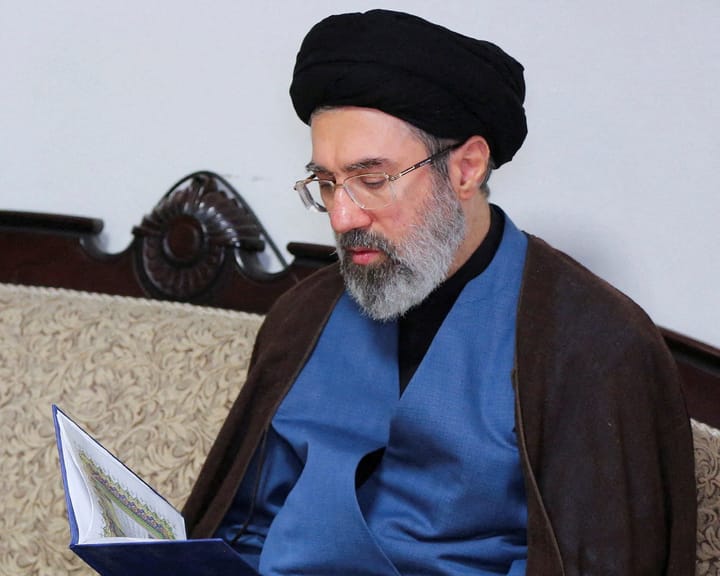
Live Middle East crisis: Mojtaba Khamenei appointed Iran’s new supreme leader; oil prices surge past $100 a barrel
Trump says decision on ending war will be ‘mutual’ with Netanyahu
Donald Trump told the Times of Israel that the timing of a cease‑fire with Iran will be decided jointly with Israeli Prime Minister Benjamin Netanyahu.
In a brief phone interview on Sunday, Trump added that Iran would have
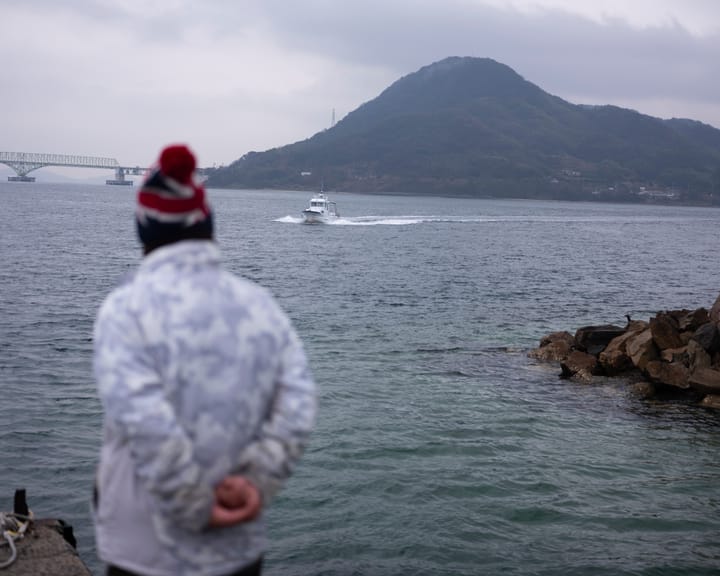
Japan's partially deserted island at the center of tensions with China
His island residence is cloaked in mist, yet his Union‑Jack knit cap makes Hideya Yagi easy to spot as he welcomes the incoming boat. The 80‑year‑old former construction‑company president is glad to see the handful of passengers step ashore, largely because he is one of only
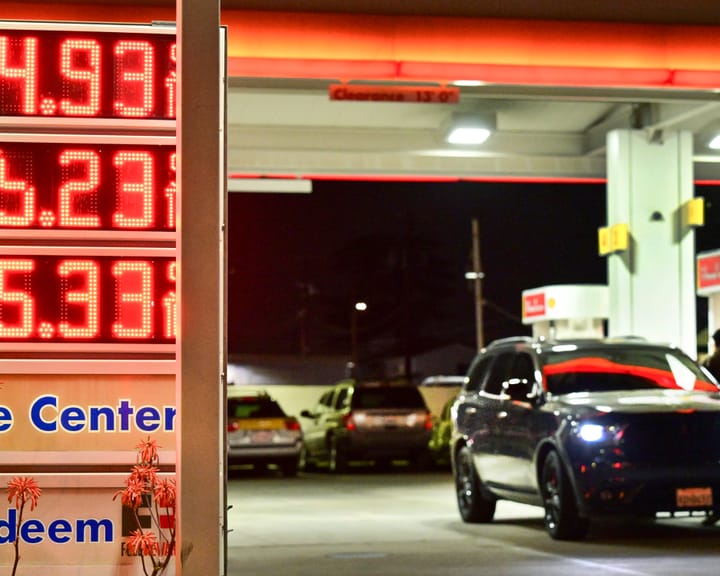
White House concerned as gas prices rise amid US‑Israel conflict with Iran
Across the United States, the typical price for a gallon of regular gasoline rose by almost 27 cents in a single week, reaching $3.25, and shoppers are preparing for further pump price increases as the US‑Israel clash with Iran threatens to disturb the world oil market.
The concern