
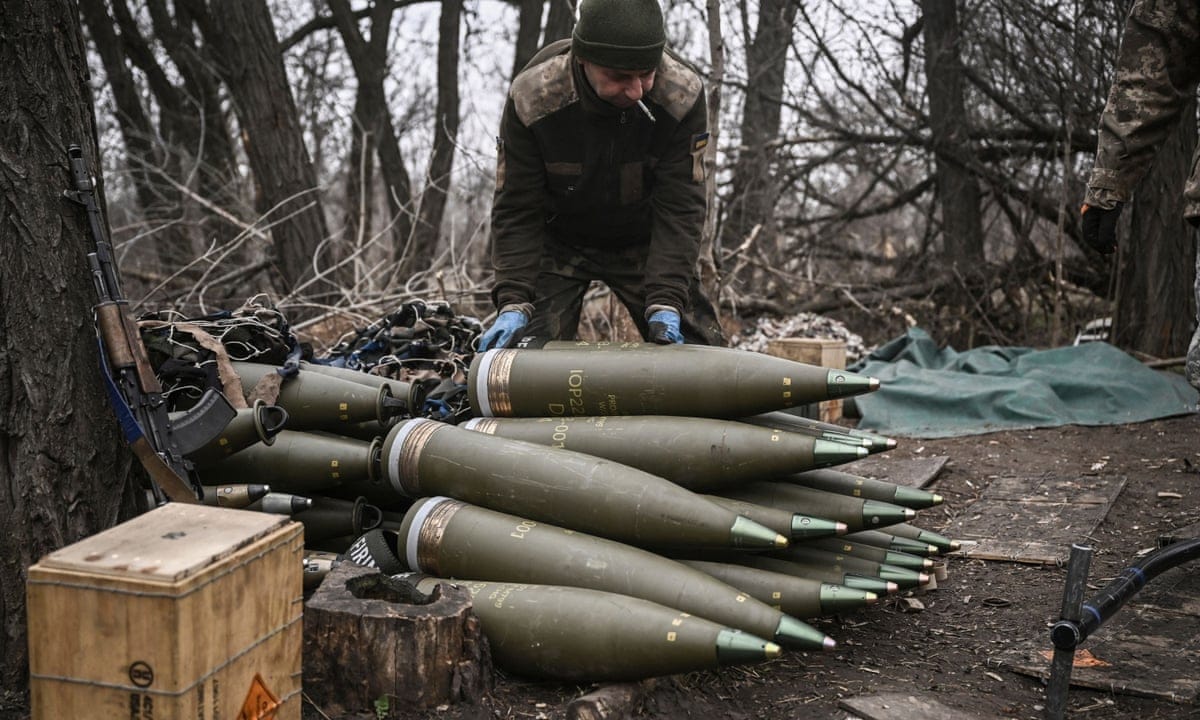
A Czech initiative aimed at supplying 800,000 shells to Ukraine by year's end may fall short unless additional funding is secured from donor countries, according to the country's foreign minister.
Jan Lipavský stated that while approximately half a million rounds of ammunition have been funded and are scheduled for delivery before the year ends, financial support is still needed in order to fulfill the total supply goal. As of now, three out of eighteen participating countries have yet to provide their share of resources.
To date, Ukraine has received 45,000 shells in June with an additional 100,000 set for arrival in July and August, and further shipments are expected starting September. The initiative was established by Czech President Petr Pavel during the Munich Security Conference in February as a response to a shortage of ammunition on Ukraine's battlefield amidst rising tensions with Russia.
The Czech initiative differs from an EU-led program, which focused exclusively on purchasing European-manufactured ammunition. The Czech scheme sources shells globally, with the majority sourced outside of Europe thus far, including contributions from South Korea, South Africa and Turkey, as reported by Czech media.
Several countries have confirmed their participation in this initiative, such as the Netherlands, Denmark, Germany, Portugal, Canada, Norway, and Sweden; however, specific details about other members or those failing to deliver on their commitments remain undisclosed.
Despite these gaps, Lipavský emphasized that supplying 800,000 shells is a possibility in the global market and not an absolute target. Tomáš Kopečný, Czech government's coordinator for Ukraine's reconstruction efforts, noted that since May, reports have indicated that Ukrainian forces began to see improvements on their frontlines due to anticipated deliveries of ammunition.
The initiative focuses on providing 155mm shells and other Soviet-standard munitions; however, Kopečný mentioned the evolving needs of Ukraine's military as they transition towards a war footing economy for long-term defense against potential threats from Russia. The consortium is working to secure commitments extending beyond immediate delivery, with hopes that sustained funding will allow for an estimated additional supply of 1-2 million shells in the medium and long term.
Lipavský emphasized the need for continued contributions from participating countries, suggesting that those who have already contributed may be urged to continue supporting Ukraine's defense efforts for a sustainable future.
Read next
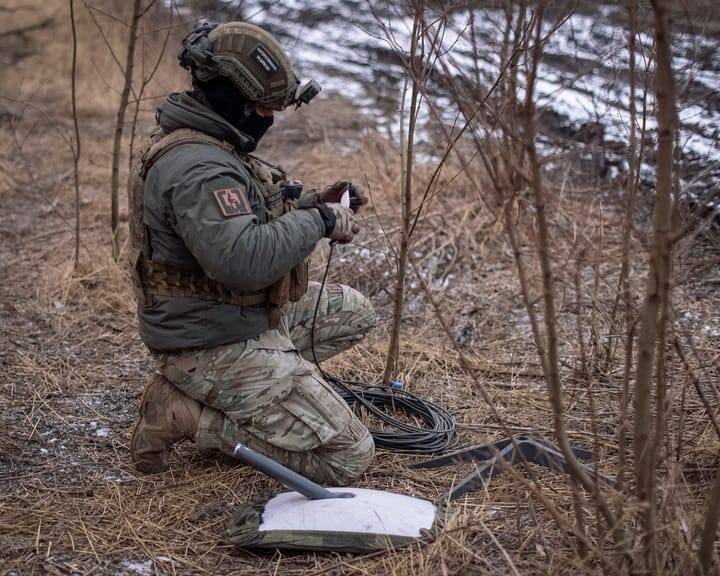
Ukrainian combat troops gain restricted access to Starlink satellite internet
Ukrainian soldiers experienced a sudden disruption in their access to Starlink satellite internet terminals amid increased pressure from the Trump administration for Ukraine to cease long-range attacks on Russia’s oil infrastructure. These terminals, managed by Elon Musk’s SpaceX, are vital for Ukraine's military operations. The

Russia's latest Ukraine attacks show 'disrespect' towards US, says Zelenskyy — Europe live
Sikorski Confronts Musk Over Starlink in Ukraine
Poland’s Foreign Minister Radosław Sikorski recently addressed Elon Musk on X, questioning reported restrictions on Starlink services in Ukraine. Poland contributes significantly to Ukraine’s funding of Starlink, which is crucial for maintaining internet connectivity in Kyiv and its military operations, with

"Breaking Stigma: Nikita Jager's Triumph in Civil Rape Case Against Conor McGregor"
Nikita Hand faced a challenging decision when considering a civil case against Conor McGregor following a 2018 assault. Despite her personal reservations about being an "imperfect victim" due to alcohol and drug use on the night of the incident, she chose to proceed. This decision stemmed from her