
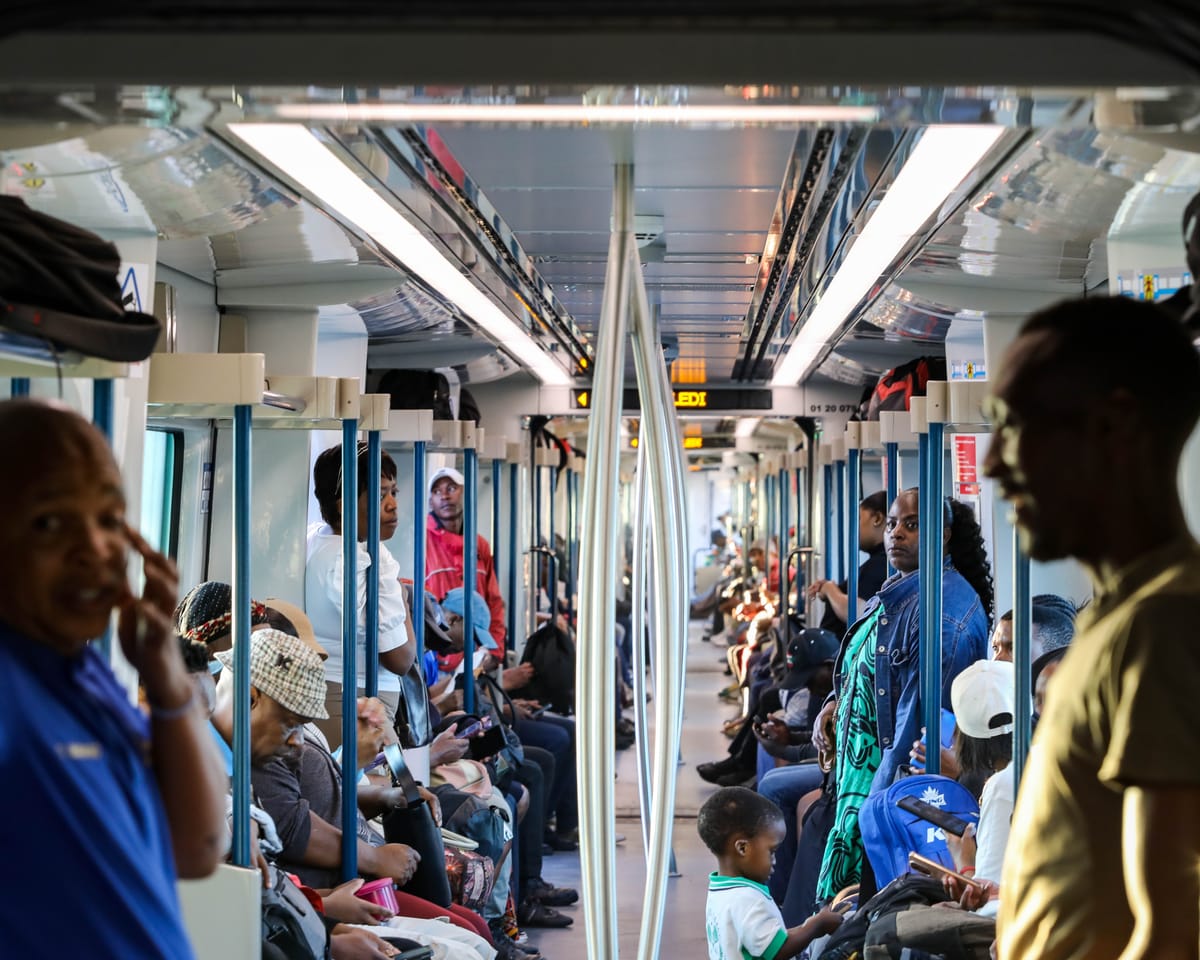
Africa is experiencing rapid urbanization. Since 1990, the share of people living in urban areas has increased from 28% to 44%, according to the World Bank. The Organisation for Economic Co-operation and Development projects that the continent’s urban population will reach 1.4 billion by 2050, doubling its current size.
Public transportation has often struggled to match this growth, resulting in severe traffic congestion in many major cities. Some urban centers, such as Addis Ababa and Lagos, have light rail systems, while others rely on bus networks. However, a significant number of commuters depend on privately operated minibus taxis.
“This situation is largely tied to colonial-era urban planning systems that were inherited across the continent,” said Mfaniseni Sihlongonyane, a professor of development planning and urban studies at the University of the Witwatersrand in Johannesburg. “Cities were designed with segregation in mind, leading to fragmented transport systems that primarily served formal or formerly designated ‘white areas.’”
Sihlongonyane noted that inadequate urban planning in subsequent decades has left many new urban residents without sufficient transport options. “Moving around cities in South Africa and much of Africa remains extremely difficult,” he said. “Post-apartheid and post-independence governments have not succeeded in building effective public transport networks.”
CuriosityNews spoke to residents in Nairobi, Johannesburg, and Abidjan about the daily challenges they face while commuting.
Nairobi
At 6 a.m. in Kibera, privately owned buses decorated with colorful artwork wait outside shops. A conductor calls out, “Hamsini hamsini Ambassadeur,” announcing the fare of 50 Kenyan shillings (about 30p) for a ride to a central hotel. As passengers board, he taps the side of the vehicle.
These buses, known as matatus, are the primary mode of transport in Nairobi, a city of nearly 5 million people spread across 17 districts. More than 10,000 matatus operate daily, moving commuters in and around the city.
Matatus come in two main forms: vans that seat 13 passengers and larger buses that carry over 30. Many are vividly painted, featuring designs inspired by hip-hop and pop culture. Some display images of international celebrities, including rapper Kendrick Lamar, footballer Cole Palmer, and reggae artist Gregory Isaacs.
The vehicles are often loud, with music playing at high volumes. They are also known for frequently violating traffic rules—overtaking recklessly, cutting off other drivers, and sometimes even driving on sidewalks. Conductors can be seen hopping on and off moving matatus, holding onto door frames as the vehicles weave through traffic.
Like many other African cities, Nairobi suffers from severe rush-hour congestion, which road expansions and new highways have not fully resolved.
Read next

Deadly Tenerife Wave Claims Four Swimmers Pulled from Coastal Pool
Four individuals have died and another remains missing after a large wave swept swimmers from a well-known coastal pool along Tenerife’s western shore, Spanish officials confirmed Monday.
Rescuers retrieved three bodies on Sunday—a 35-year-old man, a 55-year-old woman, and a man whose details were not disclosed—during a
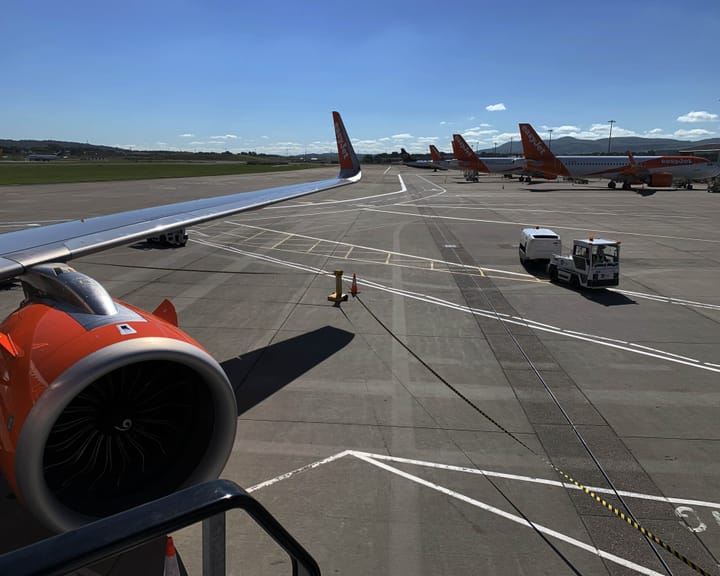
Edinburgh Airport flights back on track after air traffic control disruption – live updates
Flights Gradually Restart at Edinburgh Hub After Air Traffic Control Disruption
Air travel services are slowly recommencing at Edinburgh airport after a midday halt caused by technical complications within its air traffic management system.
Operations began gradually resuming around 10:40am, as confirmed in an update shared via the airport’

France, UK Accused of Inaction Against Migrant-Targeting Activist Groups
Criticism Over Inaction Against Anti-Migrant Activists in Northern France
UK and French officials have faced allegations of “promoting aggressive and xenophobic conduct” by not addressing British activists traveling to northern France to disrupt small boat crossings.
Nine French organizations assisting individuals in coastal camps released a statement criticizing both governments