
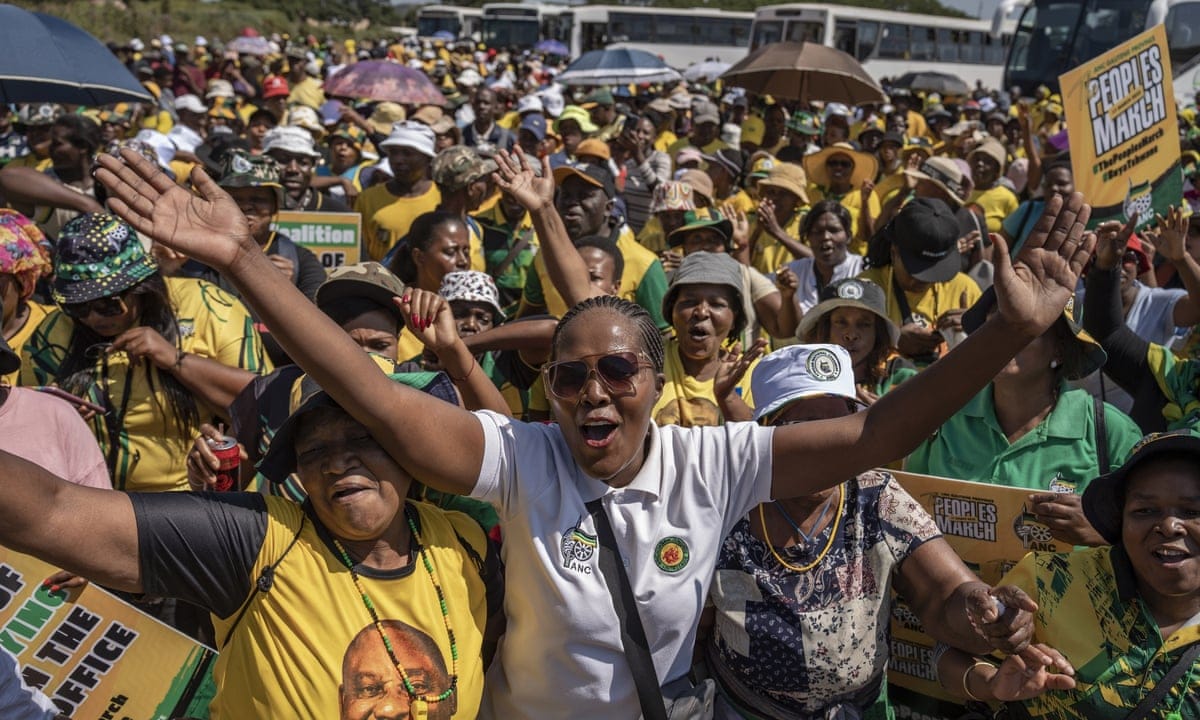
Support for democratic systems in Africa has declined amidst several military takeovers and growing dissatisfaction with issues such as corruption and mismanagement. A report by Afrobarometer reveals this trend yet maintains that Africans generally favor democratic governance more than populations in other regions globally.
Surveys conducted across 30 African nations, dating from either 2021 or 2023, show that two-thirds of the populace still prefers democracy. This represents a seven percentage point decrease over ten years ago. Since 2020, eight military coups have taken place in Africa, primarily located within west Africa's "coup belt." There has also been an uptick in protests against rising taxes and subsidy reductions by the youthful demographic of the continent, particularly where leaders are perceived as corrupt.
South Africa experienced a notable decrease in support for democracy, with only 43% agreeing that "democracy is preferable to any other form of government," down 29 percentage points from previous years due to persistent unemployment issues and underperforming public services. Mali's preference for democracy has also dropped by 23 percentage points since coups in 2020 and 2021, though disapproval for military rule has seen a significant decrease from 70% to just 18%.
The Afrobarometer report highlights that despite challenges with socioeconomic indicators, Africans' inclination towards democracy remains strong. It suggests the recent decline in support is more closely tied to worsening political conditions, including decreased election quality, increased corruption levels, and lapses in rule of law enforcement rather than purely economic factors.
Discontent with how democracy operates in African countries has also risen over the past decade due to perceived deteriorating economic conditions and rising instances of corruption and impunity. Notably, declines in satisfaction are most pronounced in some of Africa's stable democrainas such as South Africa, Botswana, and Mauritius. However, increased contentment with democracy was reported in six other countries, including Tanzania, Zimbabwe, and Morocco.
The report also highlights that younger individuals on the continent are more inclined to support military rule, suggesting a combination of factors such as trust in the military, dissatisfaction with current governance, and fading memories of past experiences under previous military regimes may be eroding resistance to authoritarianism.
Nevertheless, despite various shortcomings experienced by elected authorities across Africa, preference for democracy remains higher compared to populations in Asia, the Middle East, and Latin America, as per the report's findings.
Read next
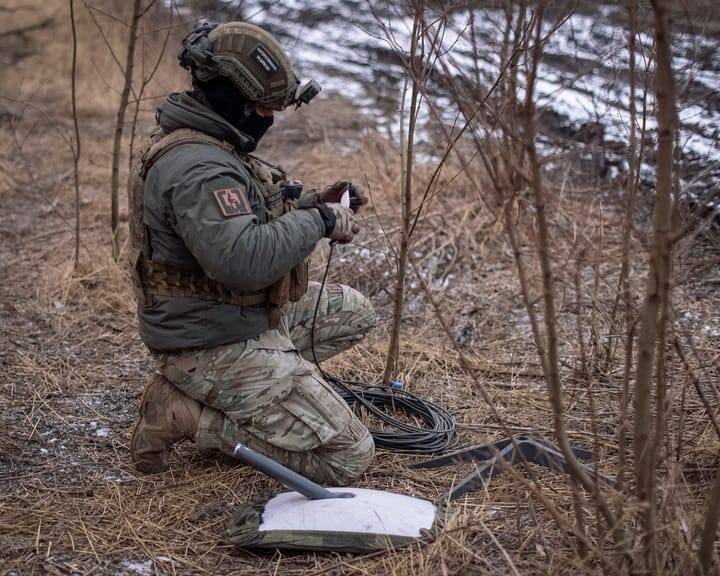
Ukrainian combat troops gain restricted access to Starlink satellite internet
Ukrainian soldiers experienced a sudden disruption in their access to Starlink satellite internet terminals amid increased pressure from the Trump administration for Ukraine to cease long-range attacks on Russia’s oil infrastructure. These terminals, managed by Elon Musk’s SpaceX, are vital for Ukraine's military operations. The
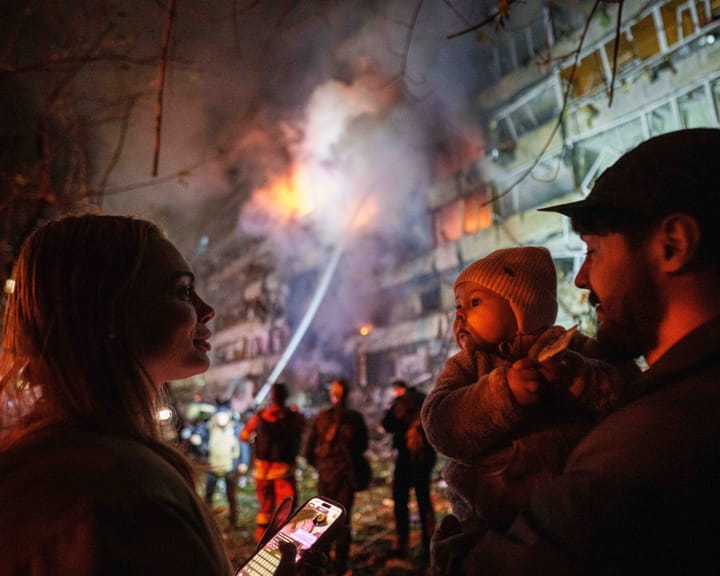
Russia's latest Ukraine attacks show 'disrespect' towards US, says Zelenskyy — Europe live
Sikorski Confronts Musk Over Starlink in Ukraine
Poland’s Foreign Minister Radosław Sikorski recently addressed Elon Musk on X, questioning reported restrictions on Starlink services in Ukraine. Poland contributes significantly to Ukraine’s funding of Starlink, which is crucial for maintaining internet connectivity in Kyiv and its military operations, with

"Breaking Stigma: Nikita Jager's Triumph in Civil Rape Case Against Conor McGregor"
Nikita Hand faced a challenging decision when considering a civil case against Conor McGregor following a 2018 assault. Despite her personal reservations about being an "imperfect victim" due to alcohol and drug use on the night of the incident, she chose to proceed. This decision stemmed from her