
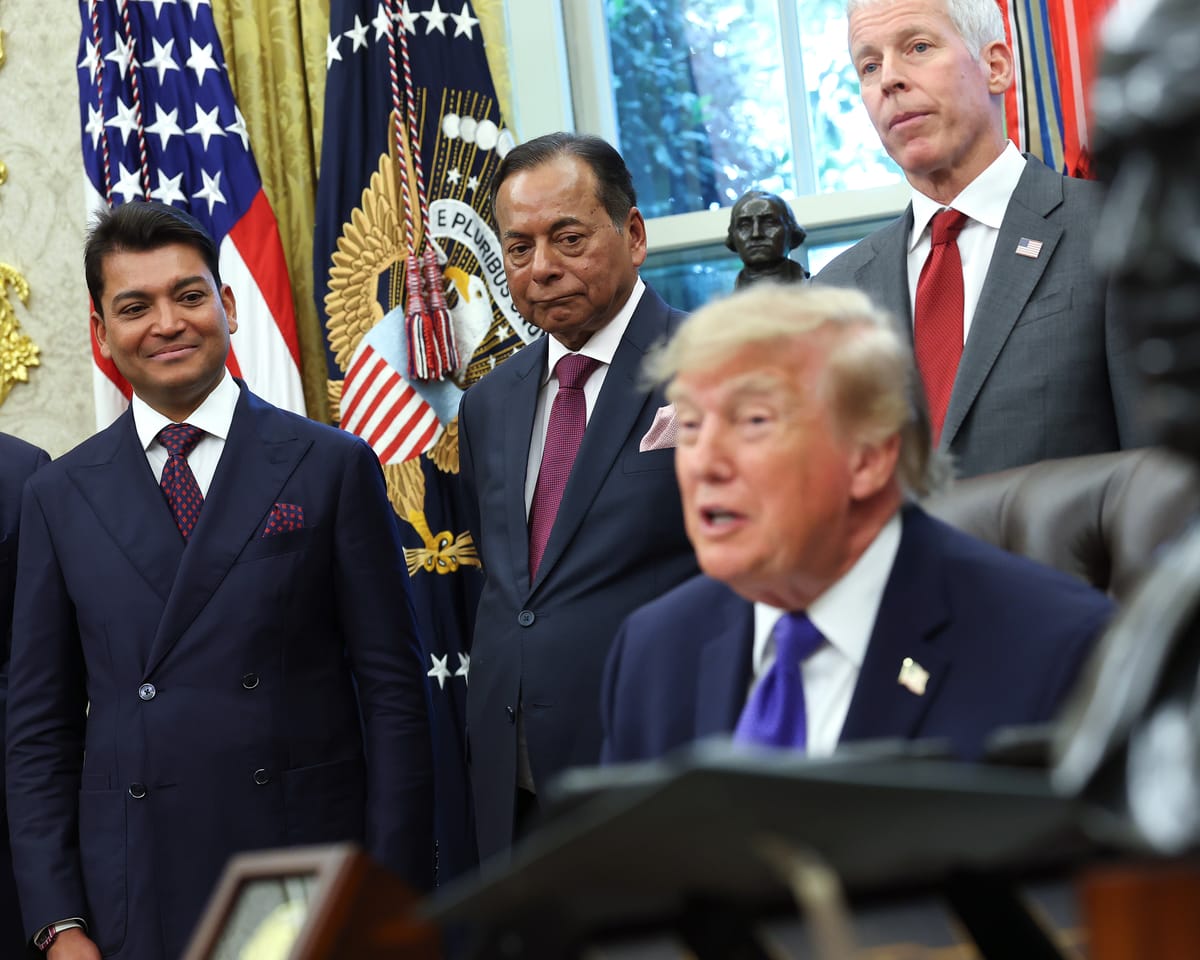
Donald Trump has often presented himself as a robust leader, exemplified by the White House's portrayal of him as Superman and his actions like imposing tariffs on steel and approving US Steel's sale to Japan's Nippon Steel, which included a "golden" share for the US government.
Recently, the Trump administration announced plans to construct what would be the largest steel plant in the US, with a $15 billion investment in Lee County, Iowa, to be built by India-based Mesabi Metallics. However, skepticism surrounds the project's feasibility due to Trump's past record and Mesabi Metallics' parent company, Essar Global's financial history.
Initially planned for Minnesota, the plant's relocation to Iowa, a state with Republican challenges in the midterms, has drawn scrutiny. Doug May, a former steelworker in Illinois, views the announcement as political maneuvering, noting how tariffs are negatively affecting Iowa farmers. He compares it to Trump's 2018 announcement of a $10 billion Foxconn project in Wisconsin, which failed to deliver promised jobs.
May argues that Trump uses the steel industry as a campaign tool while overlooking the efforts of the United Steel Workers, who have lobbied extensively to combat unfair trade practices harming US workers. More than 40 domestic steel producers filed for bankruptcy in the late 1990s, highlighting the industry's struggles.
Essar Global initially proposed a $1.65 billion steel plant in Minnesota in 2007, but by 2016, Essar Steel Minnesota had filed for bankruptcy due to delays and financial issues. Essar Global attempted to resolve its debts by selling assets, including Essar Oil for $12.9 billion to a Russian company. Mesabi Metallics changed ownership but returned to Essar Global's control, losing mining leases in 2021 after a missed deadline.
Mark Dayton, former Minnesota governor, expressed skepticism about the plant's progress, noting it has been in development for 20 years. He questioned the readiness of the necessary $15 billion investment.
Trump's approval ratings are low, similar to 2018, with Democrats expected to regain control of the House and possibly the Senate. Trump claimed construction has begun, but a local NBC affiliate found no evidence of significant property purchases or permits.
A site location remains undisclosed, with production aimed for 2030. Mesabi Metallics has not responded to comment requests.
The Iowa Sierra Club criticized the state's special legislative session to expand subsidies for Mesabi Metallics, amid budget deficits. The Iowa legislature approved $1.36 billion in tax incentives over 10 years, projecting 1,750 permanent and 6,000 construction jobs.
The White House did not comment on the plant's relocation or on Jason Miller's past lobbying for Mesabi Metallics. Miller, a White House senior communications strategist, received payments from Mesabi Metallics and the Indian government. Critics argue his role could create conflicts of interest.
Miller claimed his lobbying for Mesabi Metallics was domestic and ended in July 2026. A White House spokesperson highlighted Trump's efforts to revive American steelmaking through tariffs and pro-growth policies.
Read next
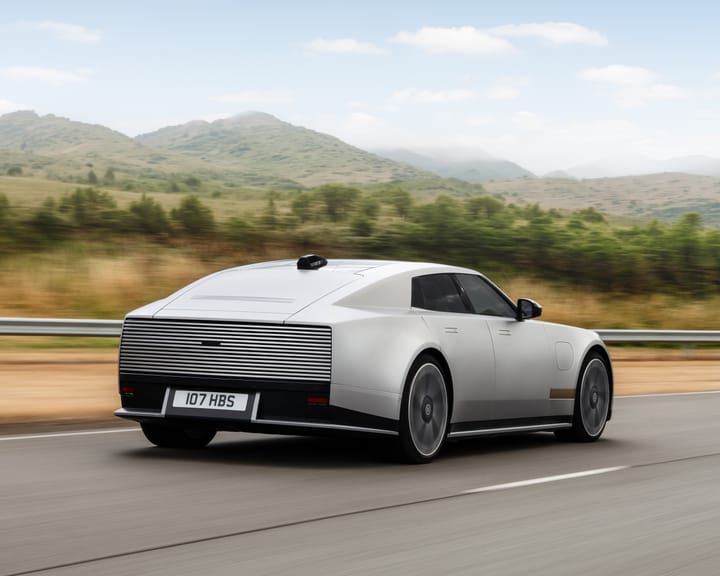
Jaguar Type 01: A £150k Monstrosity of a City Car – Perfect for Escapes, Not for Urban Driving
The latest high-end car, though not widely purchased, reflects the direction in which our world is heading. It embodies the concept of "dress for the job you want" on wheels, suggesting driving towards a desired future.
The launch of Tesla's Model X, featuring a bioweapon
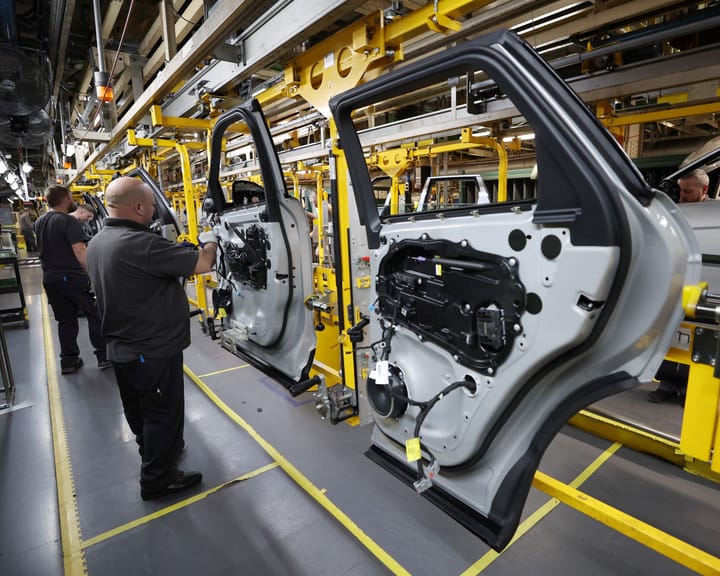
Jaguar Land Rover suppliers voice ‘everything is against us’ amid cutbacks
David Roberts, chair of Coventry-based Evtec, says the outlook for Britain’s automotive sector is grim, with “everything against us.” Evtec is a tier 1 supplier to Jaguar Land Rover, which this week announced 4,000 job cuts over two years despite chancellor John Healey’s attempt to talk
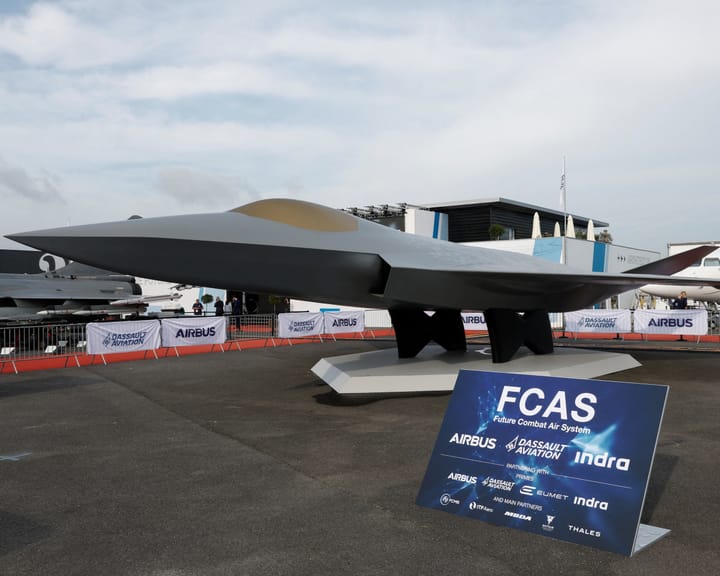
Europe’s fighter jet plans in disarray: what comes next?
When former ECB president and Italian PM Mario Draghi urged Europe to catch up economically with the US and China, defence collaboration was prescribed. No more should each nation build independent boats, tanks or jets; allies should share costs and technologies.
Europe stumbled at the first hurdle. German Chancellor Friedrich