
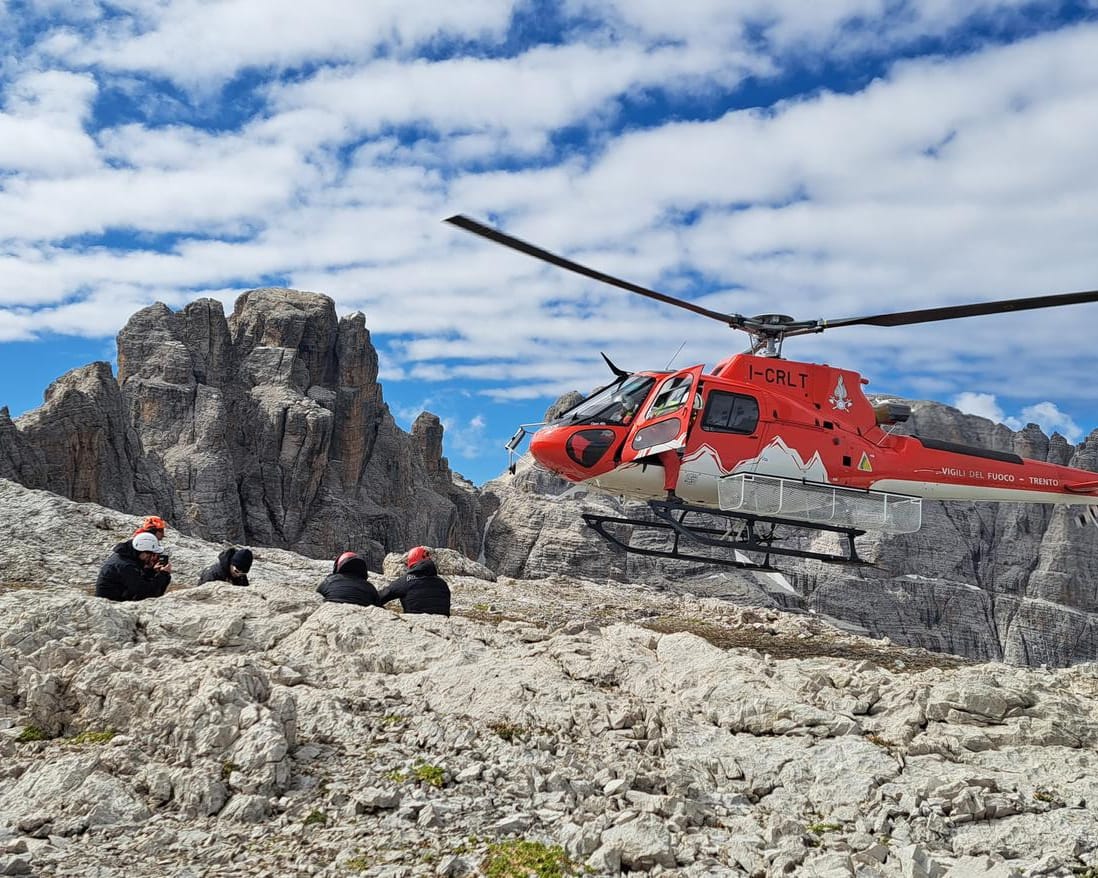
Hundreds of hikers and visitors were evacuated, and numerous trails shut down following a series of rock collapses on the slopes of Cima Falkner in the Brenta Dolomites in northern Italy. Experts noted a significant increase in landslides in the region, tied to thawing permafrost.
In recent days, witnesses reported loud rumbling sounds and subsequent rockfalls, with dense dust clouds rising from Monte Pelmo in Val di Zoldo after sections of rocky spires detached and plunged into the valley below in Selva di Cadore, part of Belluno province.
Another collapse occurred on Cima Falkner, where specialists indicate the entire area is experiencing erosion due to rising temperatures and broader climate changes. No injuries were reported, and debris halted higher up the slope.
Authorities in Trentino-Alto Adige issued a statement: "Multiple rockfalls have taken place on both the western and eastern sides of Cima Falkner in the Brenta Group. Consequently, all climbing and hiking routes in the affected zone have been closed without delay."
They added: "All hikers in the vicinity have been safely evacuated. We strongly advise everyone to remain vigilant and adhere strictly to safety guidelines."
After initial reports of rockfalls, geologists conducted a survey on Tuesday with helicopter assistance, confirming "the entire summit is undergoing an active geomorphological shift, likely due to permafrost deterioration."
While rockfalls are common in the Dolomites, experts this year observed a notable surge in such events, attributed to extreme heat and weather patterns worsened by climate change.
"We have never witnessed such a dramatic rise in rockfalls before," said Piero Carlesi, head of the scientific committee at the Italian Alpine Club (CAI). "Landslides are increasing, and the primary factor is the climate crisis—this is undeniable."
He explained: "Mountains are naturally prone to collapse—they won't endure forever as we know them. What's new is the clear acceleration of these events, driven by higher temperatures and extreme weather linked to climate change."
Cold conditions once acted like a binding agent, freezing water in rock cracks and holding them together. However, Carlesi noted that rising temperatures are weakening this effect, causing fractured rock to break apart more frequently. "This is becoming increasingly common," he said.
Last year, researchers involved in a study by environmental group Legambiente warned that the Marmolada glacier—the largest and most iconic in the Dolomites—could vanish entirely by 2040.
Their findings revealed that the glacier is losing 7-10 cm in depth daily, with 70 hectares (173 acres) of its surface lost in the last five years.
Read next
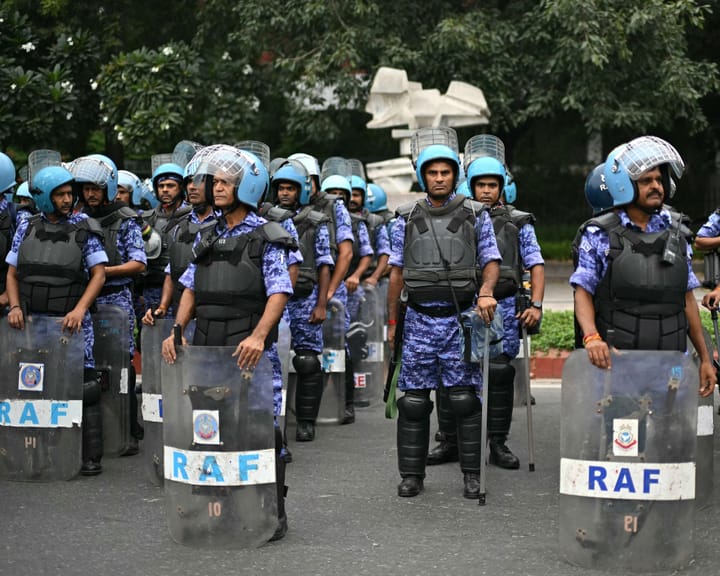
"Young Indians Rally on Streets for 'Cockroach' Party Protest as Delhi Prepares for Large Demonstration"
Police in New Delhi detained numerous protesters on Saturday as thousands of officers and paramilitary forces patrolled the capital. Metro stations were closed, and mobile internet was suspended to prevent a youth-led protest demanding the resignation of India's chief election officer.
The protest, organized by the "
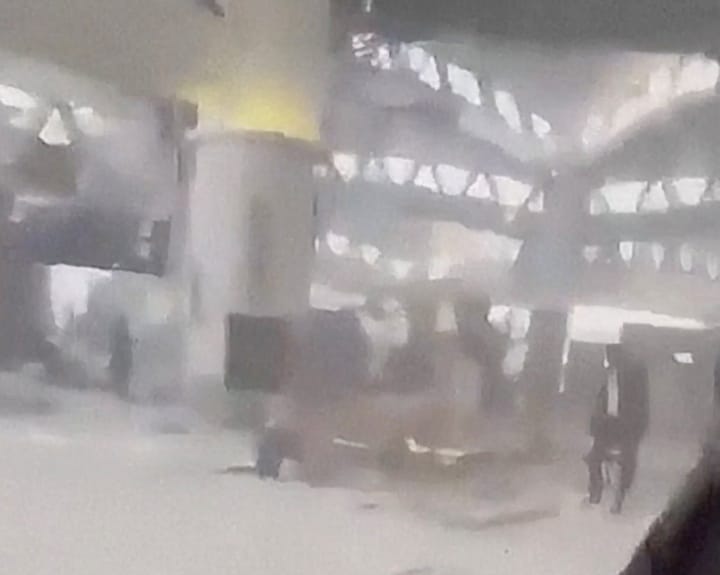
Houthi Missile Strike Targets Riyadh Airport Again, Reports Say
A projectile struck a passenger terminal at Riyadh's King Khalid International Airport on Sunday, following a deadly missile attack by Yemen's Iran-backed Houthi rebels that killed 13 individuals. Terminal 4 was hit, sparking a fire and causing injuries, according to Saudi officials. Additionally, air defenses

Imran Khan's Party Laments 'Coup' Following Pakistan's Suspension of Provincial Government
Pakistan has declared a state of emergency in the north-western Khyber Pakhtunkhwa province, led by Imran Khan’s PTI party, and has suspended its government. This action has been described by a party spokesperson as a "coup disguised as emergency."
President Asif Ali Zardari announced the emergency