

A projectile struck a passenger terminal at Riyadh's King Khalid International Airport on Sunday, following a deadly missile attack by Yemen's Iran-backed Houthi rebels that killed 13 individuals. Terminal 4 was hit, sparking a fire and causing injuries, according to Saudi officials. Additionally, air defenses intercepted a cruise missile near the airport. This was one of several attacks on the airport in the past week, heightening tensions and potentially drawing more countries into the Yemen conflict, amid the broader US-Iran regional tensions affecting Lebanon and Iraq.
In the wake of the Saturday strike, US President Donald Trump indicated he was considering joining the Saudi military campaign in Yemen, suggesting the US might "look into it." The Houthi group, allied with Iran, claimed responsibility for multiple attacks on the airport, including the Saturday incident, marking the deadliest attack on a Gulf country since the conflict with Iran began in March. This incident is seen as an escalation in the Houthis' ongoing conflict with Saudi Arabia and the Yemeni government it supports.
In response, Saudi authorities extended the airport's closure and transitioned schools to online learning until Thursday. The Houthis also claimed a Saudi airstrike on Sana'a, their capital, resulted in casualties. Social media showed images of travelers navigating debris in Riyadh airport amid alarms.
The Saturday attack claimed the lives of eight foreigners and five Saudi citizens, including nationals from Bangladesh, the US, Egypt, Jordan, Palestine, Sudan, and Syria, with over 300 injured. Saudi-led coalition spokesperson Maj Gen Turki al-Maliki stated they would "respond firmly," though details were scarce.
The Houthis escalated their threats, advising airlines and passengers to avoid Saudi airports, warning of further attacks. Trump planned to discuss the situation with Saudi Crown Prince Mohammed bin Salman following the attack.
The US, already aiding Saudi Arabia with intelligence and military advice, faces potential direct involvement, which could escalate maritime targeting and deepen US entanglement in Middle Eastern conflicts. This could impact domestic political dynamics, with upcoming elections and rising prices in the US.
Saudi Arabia's airstrikes in Yemen have resulted in significant casualties, including women and children, as per Houthi reports. Despite military efforts, government forces have struggled to reclaim territories near the strategic Bab al-Mandab strait.
International condemnation of the airport attack included statements from UN Secretary-General António Guterres and European Commission President Ursula von der Leyen, highlighting the destabilizing effects of the attacks on global transport and energy routes.
Increased Houthi aggression has prompted more foreign involvement in the Yemen conflict, amid global pressure over oil prices. Saudi Arabia, along with Pakistan and Turkey, announced plans to expedite mutual defense commitments, while the UK offered defensive support.
Saudi Arabia's call for international assistance underscores the depletion of its interceptor missiles. The Houthi offensive against Yemen's Red Sea coast, following a 2022 UN ceasefire, has reignited conflict, challenging Saudi military strategies and drawing the kingdom deeper into the Yemen war.
Read next
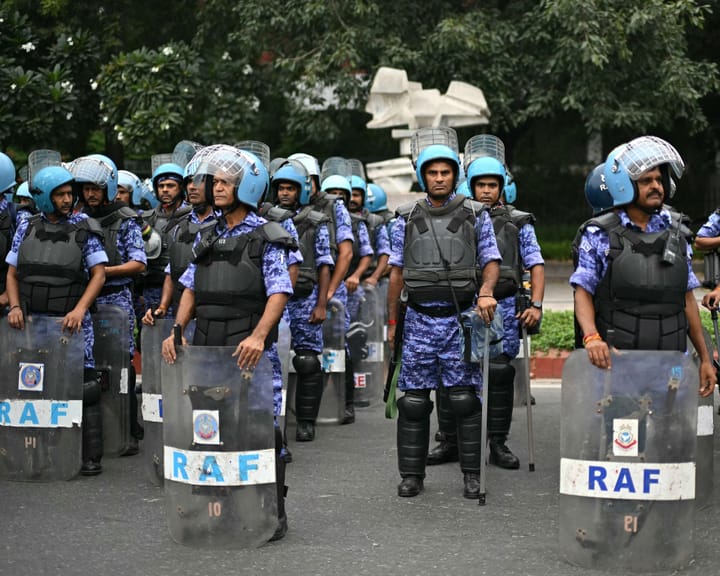
"Young Indians Rally on Streets for 'Cockroach' Party Protest as Delhi Prepares for Large Demonstration"
Police in New Delhi detained numerous protesters on Saturday as thousands of officers and paramilitary forces patrolled the capital. Metro stations were closed, and mobile internet was suspended to prevent a youth-led protest demanding the resignation of India's chief election officer.
The protest, organized by the "
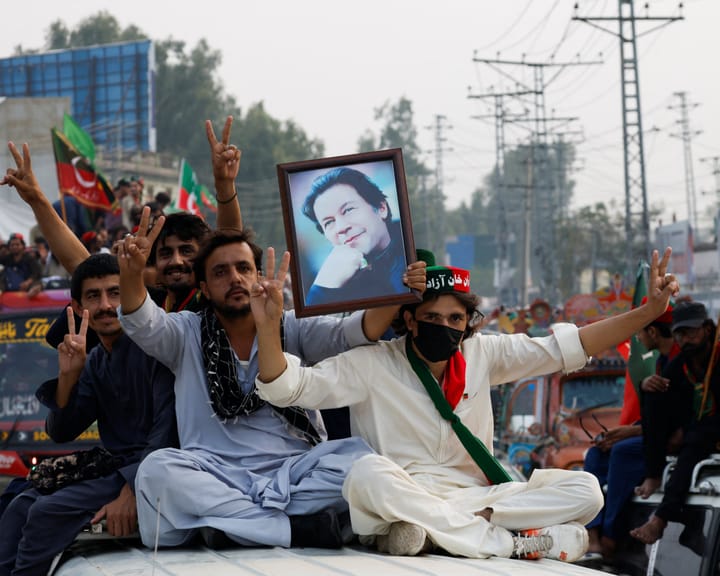
Imran Khan's Party Laments 'Coup' Following Pakistan's Suspension of Provincial Government
Pakistan has declared a state of emergency in the north-western Khyber Pakhtunkhwa province, led by Imran Khan’s PTI party, and has suspended its government. This action has been described by a party spokesperson as a "coup disguised as emergency."
President Asif Ali Zardari announced the emergency
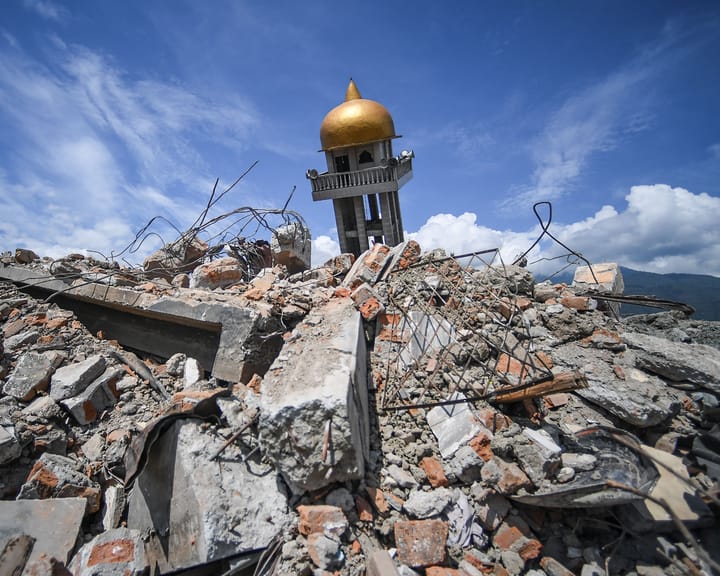
Indonesia Plans to Use Mosque Loudspeakers as Earthquake Alert Systems
Scientists in earthquake-prone Indonesia are exploring an innovative early warning system by integrating mosques into their network of alarms to reach remote communities. This initiative involves a five-year trial to determine if mosque loudspeakers, traditionally used for the call to prayer, can also serve as earthquake alarms.
Dr.