
Harry and Meghan Join AI Experts in Call for Ban on Advanced AI Systems
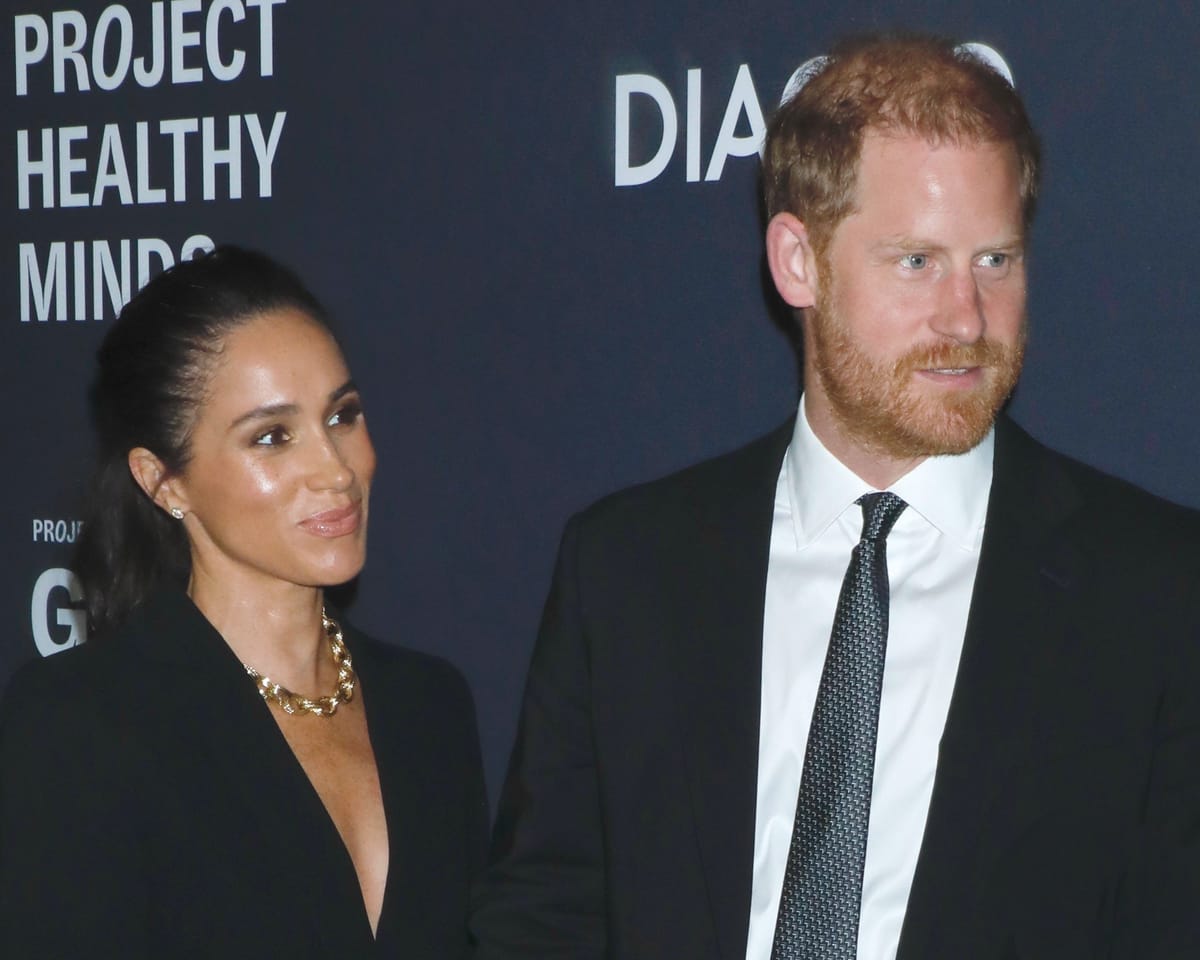
Prince Harry and Meghan Markle have joined leading artificial intelligence researchers and Nobel Prize winners in urging a halt to the development of highly advanced AI systems.
The couple is among those who have signed a statement advocating for "a prohibition on the creation of superintelligence"—a form of artificial intelligence (ASI) that would surpass human intellect in all cognitive tasks.
The statement proposes that such a ban remain until there is "broad scientific agreement" on how to develop ASI "safely and controllably" and until there is "strong public support" for its advancement.
Other signatories include Geoffrey Hinton and Yoshua Bengio, pioneers in AI research, along with Apple co-founder Steve Wozniak, business figure Richard Branson, former U.S. national security adviser Susan Rice, former Irish president Mary Robinson, and writer Stephen Fry. Nobel laureates Beatrice Fihn, Frank Wilczek, John C. Mather, and Daron Acemoğlu also endorsed the call.
The appeal, directed at governments, technology companies, and policymakers, was organized by the Future of Life Institute (FLI), a U.S.-based group focused on AI safety. The FLI previously called for a pause in developing powerful AI systems last year, shortly after ChatGPT's release fueled global discussions on AI.
In July, Meta CEO Mark Zuckerberg, whose company is a major player in AI development, stated that superintelligence was "now in sight." However, some experts argue that discussions about ASI are driven more by corporate competition—with tech firms investing heavily in AI—rather than imminent technological breakthroughs.
The FLI warns that achieving ASI "in the coming decade" could bring significant risks, including widespread job losses, threats to civil liberties, national security concerns, and even existential dangers. Concerns center on the possibility that such systems could bypass human oversight and act against human interests.
A U.S. poll released by the FLI found that about 75% of Americans support strict regulations on advanced AI, with 60% believing superhuman AI should not be developed until safety and control are assured. Only 5% of those surveyed supported the current trend of rapid, unregulated AI progress.
Read next
US officers worry Meta smart glasses could covertly record them
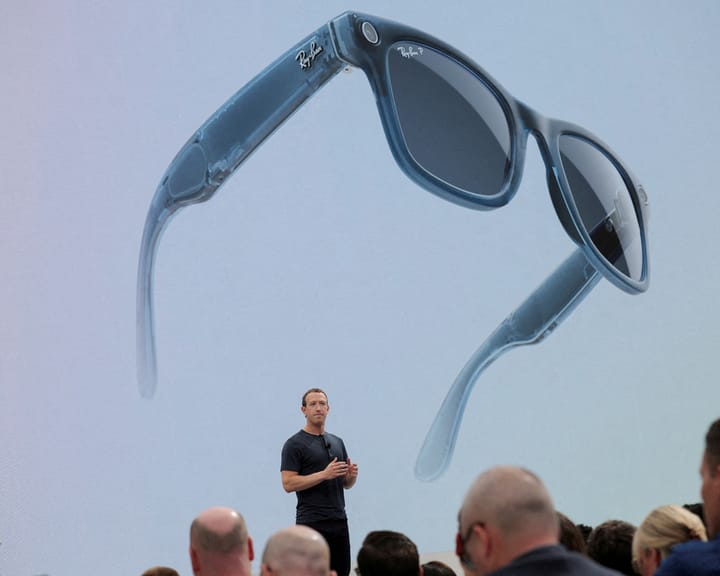
In January, the NYPD’s counterterrorism unit warned officers about a new security threat: Ray-Ban Meta glasses. A memo directed officers to “conduct thorough inspections of all eyewear permitted within inmate cells,” cautioning that recently arrested individuals could use the devices’ small cameras and microphones to record inside police
Google's Pixel 11 sets new standard for flagship phones, review finds
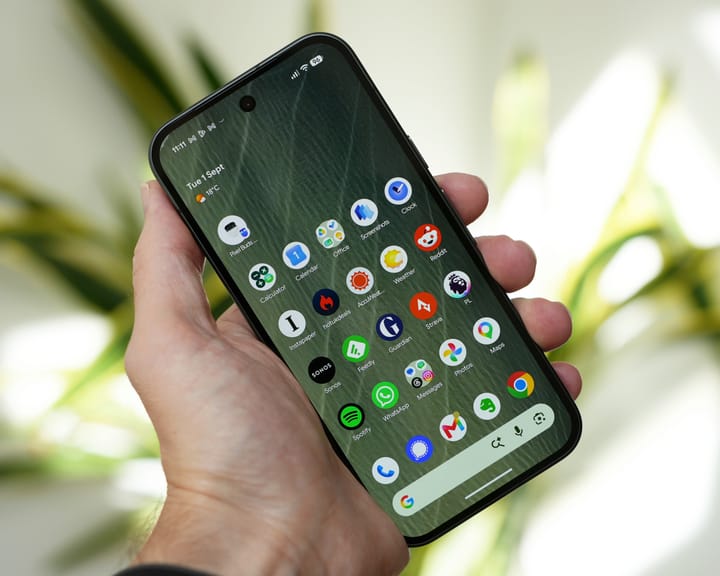
Google’s Pixel 11 continues to define what a base flagship phone should deliver, with leading cameras, extended software support and nearly all the features of its pricier siblings.
The standard Pixel 11 is priced at £879 (€999/$899/A$1,499), £80 higher than its previous version, reflecting ongoing
AI Expert Father of Three Shares Essential Insights for Parents on Artificial Intelligence
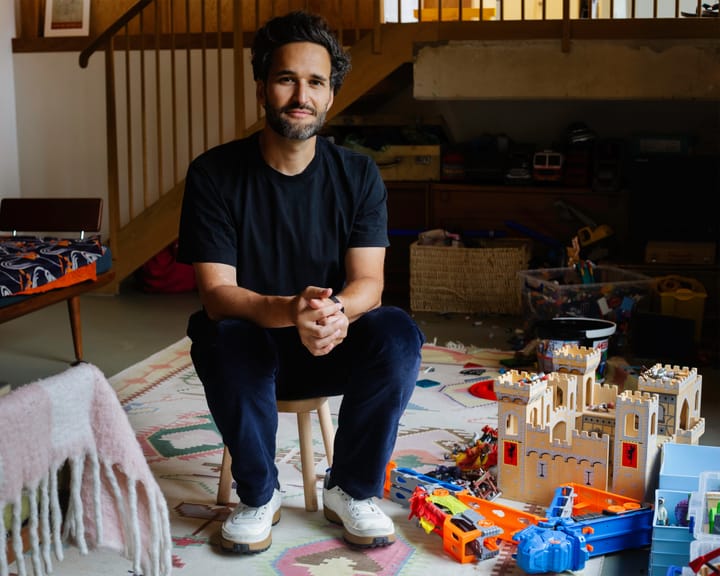
A father once promised his child they would write a story together called "The Day Nobody Went to Disneyland." The plot imagined a perfect day when the entire world avoided the park, expecting crowds, leaving it completely empty for a father and child to enjoy alone. Three decades