

The image showed two women—a young blonde with a warm smile and an older woman in a headscarf, frowning. Above the drawing was a reference to the upcoming general election in the Netherlands, along with the words, "The choice is yours."
The post, shared by far-right politician Geert Wilders, led to a record 14,000 complaints to the national anti-discrimination helpline. "Many callers likened the image to Nazi-era propaganda,” the helpline stated, noting that the 19 affiliated anti-discrimination organizations had alerted the police over concerns it might incite hatred.
This incident reflects how public debate in the Netherlands has intensified in recent years, with politicians increasingly focusing on Muslims, asylum seekers, and minority communities to galvanize support. As polls indicate Wilders' party may again secure the most votes, the election on 29 October has become a test for the country’s principles.
“This isn’t only about Muslims. The question is what Dutch identity stands for,” said Esma Kendir of the Collective of Young Muslims. “Will the Netherlands uphold equality, human rights, and religious freedom, or will it shift toward exclusion and fear?”
In the previous election, Wilders’ far-right Freedom Party (PVV) unexpectedly came first. The outcome led to a precarious coalition—the first to fully include the PVV—which collapsed after 11 months when Wilders withdrew his support.
For many, the party’s inclusion in government marked a turning point. “Wilders’ rise signaled that hostility toward Muslims is now politically acceptable,” Kendir said.
The effect was immediate. “Public discourse has grown more polarized,” she added. “What was once considered inflammatory is now routine. Statements about Muslims and Islam that would have sparked outrage years ago now barely draw notice.”
Though Wilders has long courted controversy—from a site soliciting complaints about Polish and Eastern European migrants to vowing "fewer Moroccans"—his 2023 election success has pushed other parties to adopt similar rhetoric, noted Florian Drenth of Muslim Rights Watch.
“He sets boundaries with far-right language, normalizing this narrative,” Drenth said. “Now, other parties are following suit.”
Read next
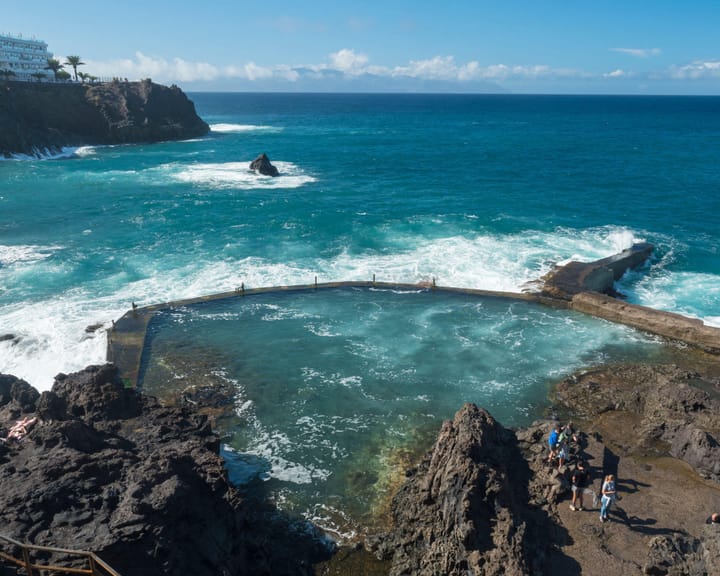
Deadly Tenerife Wave Claims Four Swimmers Pulled from Coastal Pool
Four individuals have died and another remains missing after a large wave swept swimmers from a well-known coastal pool along Tenerife’s western shore, Spanish officials confirmed Monday.
Rescuers retrieved three bodies on Sunday—a 35-year-old man, a 55-year-old woman, and a man whose details were not disclosed—during a

Edinburgh Airport flights back on track after air traffic control disruption – live updates
Flights Gradually Restart at Edinburgh Hub After Air Traffic Control Disruption
Air travel services are slowly recommencing at Edinburgh airport after a midday halt caused by technical complications within its air traffic management system.
Operations began gradually resuming around 10:40am, as confirmed in an update shared via the airport’
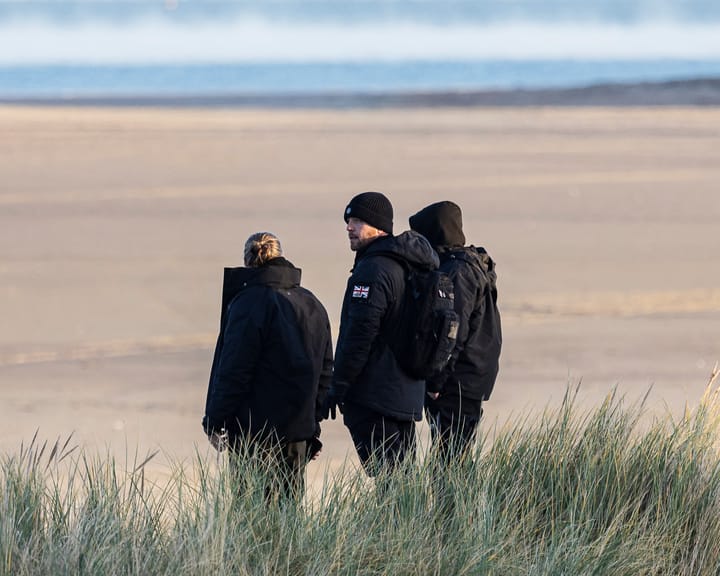
France, UK Accused of Inaction Against Migrant-Targeting Activist Groups
Criticism Over Inaction Against Anti-Migrant Activists in Northern France
UK and French officials have faced allegations of “promoting aggressive and xenophobic conduct” by not addressing British activists traveling to northern France to disrupt small boat crossings.
Nine French organizations assisting individuals in coastal camps released a statement criticizing both governments