

The image showed two women—a young blonde with a warm smile and an older woman in a headscarf, frowning. Above the drawing was a reference to the upcoming general election in the Netherlands, along with the words, "The choice is yours."
The post, shared by far-right politician Geert Wilders, led to a record 14,000 complaints to the national anti-discrimination helpline. "Many callers likened the image to Nazi-era propaganda,” the helpline stated, noting that the 19 affiliated anti-discrimination organizations had alerted the police over concerns it might incite hatred.
This incident reflects how public debate in the Netherlands has intensified in recent years, with politicians increasingly focusing on Muslims, asylum seekers, and minority communities to galvanize support. As polls indicate Wilders' party may again secure the most votes, the election on 29 October has become a test for the country’s principles.
“This isn’t only about Muslims. The question is what Dutch identity stands for,” said Esma Kendir of the Collective of Young Muslims. “Will the Netherlands uphold equality, human rights, and religious freedom, or will it shift toward exclusion and fear?”
In the previous election, Wilders’ far-right Freedom Party (PVV) unexpectedly came first. The outcome led to a precarious coalition—the first to fully include the PVV—which collapsed after 11 months when Wilders withdrew his support.
For many, the party’s inclusion in government marked a turning point. “Wilders’ rise signaled that hostility toward Muslims is now politically acceptable,” Kendir said.
The effect was immediate. “Public discourse has grown more polarized,” she added. “What was once considered inflammatory is now routine. Statements about Muslims and Islam that would have sparked outrage years ago now barely draw notice.”
Though Wilders has long courted controversy—from a site soliciting complaints about Polish and Eastern European migrants to vowing "fewer Moroccans"—his 2023 election success has pushed other parties to adopt similar rhetoric, noted Florian Drenth of Muslim Rights Watch.
“He sets boundaries with far-right language, normalizing this narrative,” Drenth said. “Now, other parties are following suit.”
Read next
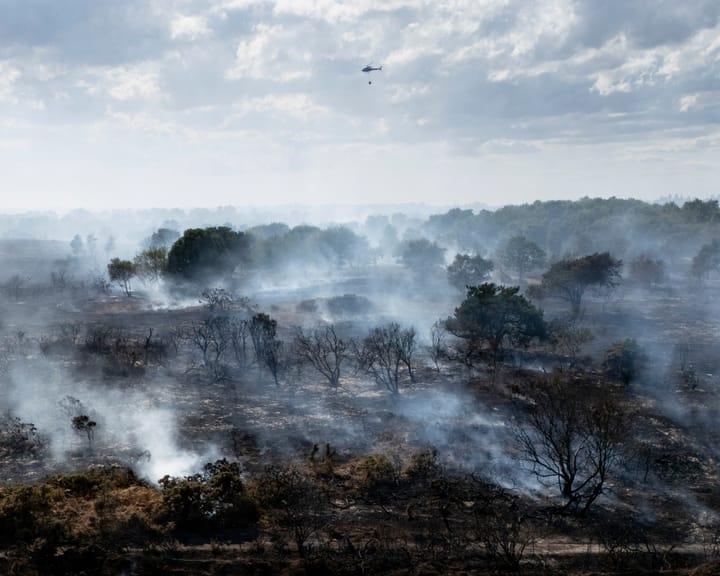
July 2026 Marks Worst On-Record Wildfires in England, Data Reveals
July 2026 saw the highest number of wildfires in England on record, with provisional data indicating a clear increase in the annual total. The UK experienced extreme vulnerability to climate change, as severe heat and dry conditions turned vast countryside areas into a tinderbox. This summer marked England's
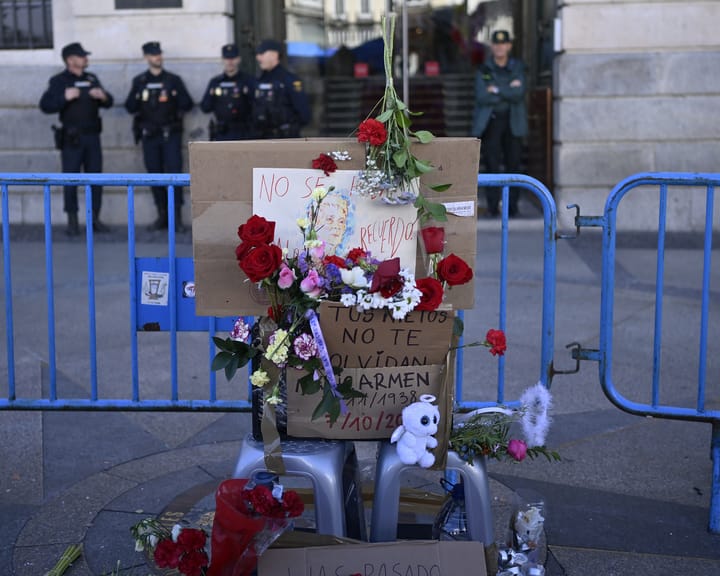
Thousands Protest in Madrid Following Death of Evicted Pensioner Maricarmen
Thousands are expected to march through Madrid on Thursday evening to honor María del Carmen Abascal, an 87-year-old whose eviction from her apartment, two weeks before her death, highlighted Spain’s housing crisis. Abascal's flat had been acquired by an investment firm that sought to increase
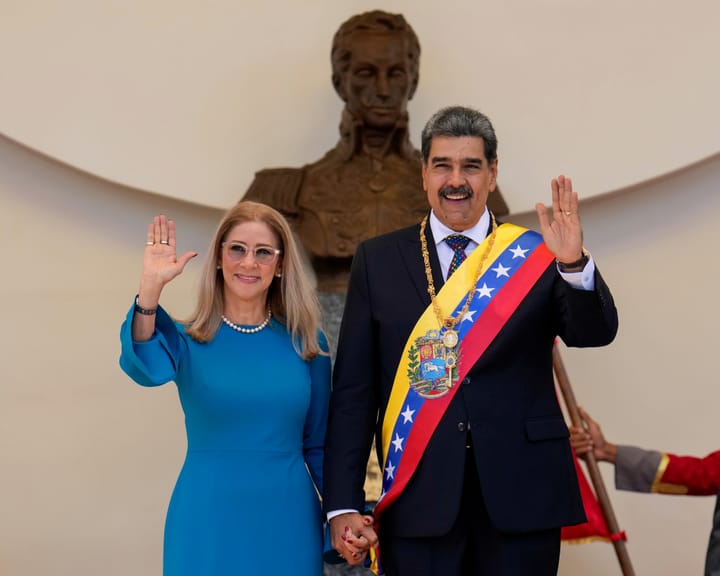
Maduro’s Wife to Seek Release from New York Detention in Court Appearance
Cilia Flores, the wife of former Venezuelan President Nicolás Maduro, was scheduled to appear in court, where her legal team will request her release from custody due to her heart condition, proposing house arrest instead.
Flores and Maduro have been detained in New York since early January, following a raid