
In a recent restructuring move, Dyson, the renowned vacuum cleaner and air-filter manufacturer, announced plans to reduce its UK workforce by approximately 1,000 employees, which represents more than a quarter of their British staff. This decision is part of an extensive global cost-cutting initiative that will affect nearly 15,000 positions worldwide.
The news was delivered on Tuesday morning to the workforce as Dyson strives for continued agility and innovation in highly competitive international markets. With a current headcount of around 3,500 employees in the UK, including offices situated in Wiltshire, Bristol, and London, this reduction follows an ongoing assessment that began prior to the general election announcement in May.
Hanno Kirner, Dyson's Chief Executive Officer, stated: "We have always aimed for a swift adaptation to changing business environments by making necessary changes when required." He further acknowledged the difficult nature of job reductions but promised comprehensive support measures for those affected by these adjustments.
Founded in Malmesbury, Wiltshire, England, Dyson was established in 1991 by Sir James Dyson and continues to maintain its headquarters there as well. The company's R&D activities primarily take place within the UK, with a significant presence at the Dyson Institute where 160 undergraduate engineers work on Dyson projects three days a week in Malmesbury.
The Asian market plays a crucial role for Dyson, with many local competitors producing similar products shortly after Dyson introduces their own. Since its establishment over thirty years ago, the company has expanded its product range to include vacuum cleaners, hair dryers, fans, air filters, and even ventured into wearable technology and robotics.
In a separate matter, it is worth noting that Dyson's founder has seen substantial dividends returned over the past five years, with £4bn paid out to the company's Singapore-based holding entity during this period.
Read next
US officers worry Meta smart glasses could covertly record them
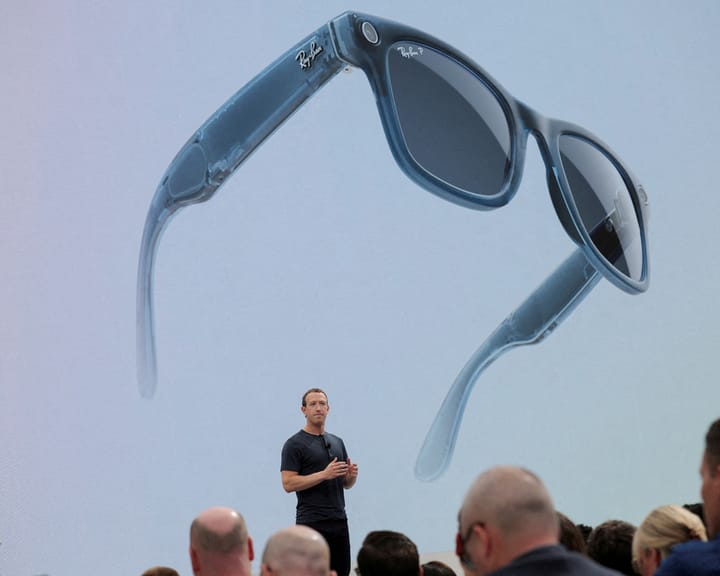
In January, the NYPD’s counterterrorism unit warned officers about a new security threat: Ray-Ban Meta glasses. A memo directed officers to “conduct thorough inspections of all eyewear permitted within inmate cells,” cautioning that recently arrested individuals could use the devices’ small cameras and microphones to record inside police
Google's Pixel 11 sets new standard for flagship phones, review finds
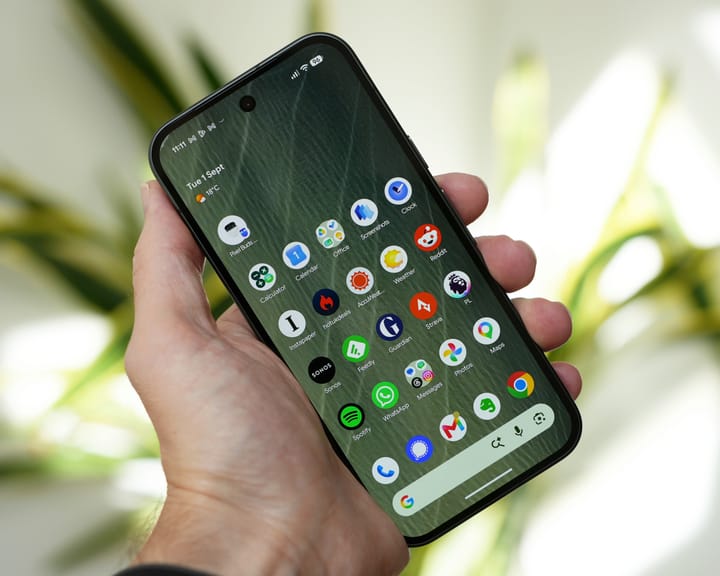
Google’s Pixel 11 continues to define what a base flagship phone should deliver, with leading cameras, extended software support and nearly all the features of its pricier siblings.
The standard Pixel 11 is priced at £879 (€999/$899/A$1,499), £80 higher than its previous version, reflecting ongoing

AI Expert Father of Three Shares Essential Insights for Parents on Artificial Intelligence
A father once promised his child they would write a story together called "The Day Nobody Went to Disneyland." The plot imagined a perfect day when the entire world avoided the park, expecting crowds, leaving it completely empty for a father and child to enjoy alone. Three decades