
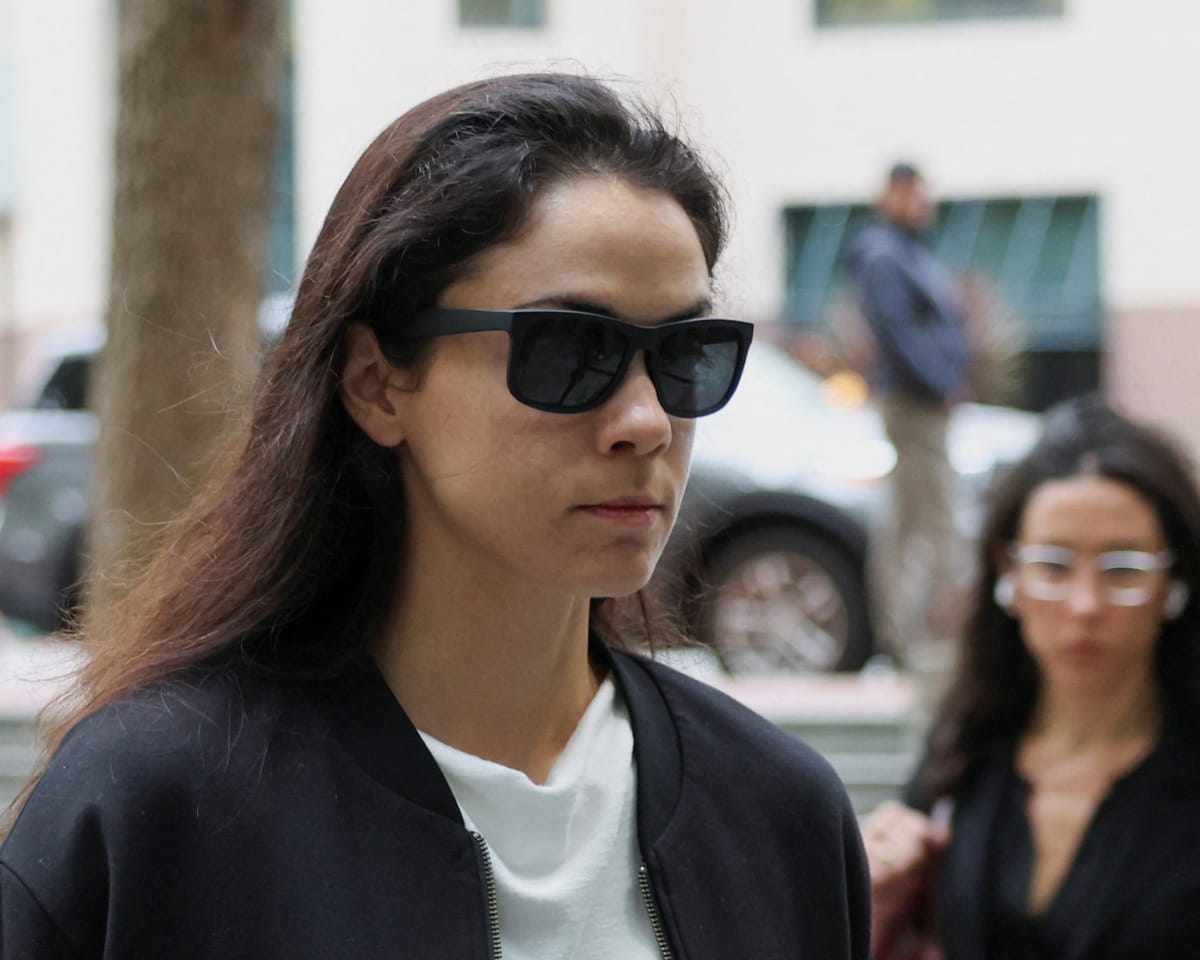
Shivon Zilis, a Neuralink executive and the mother of four of Elon Musk’s children, appeared on the stand Wednesday as one of the most closely watched witnesses in Musk’s lawsuit against OpenAI. The maker of ChatGPT contends that, although Zilis worked for OpenAI from 2016 to 2023, she also maintained a covert relationship with Musk, serving as his informant.
Musk’s suit claims that OpenAI’s chief executive, Sam Altman, and president, Greg Brockman—co‑founders alongside Musk—violated the original agreement by converting the organization from a nonprofit to a for‑profit venture. He argues that Altman and Brockman unfairly profited from the change and seeks their removal from leadership, the reversal of the for‑profit restructuring, and $134 billion in damages to be returned to OpenAI’s nonprofit arm.
OpenAI denies all accusations and, during the trial’s second week, has attempted to demonstrate that Musk consistently supported the shift to a for‑profit model. Its lawyers portray Musk as a disgruntled former board member who departed in 2018 after a failed attempt to seize control and is now motivated by revenge over OpenAI’s achievements.
Zilis has become pivotal to the case because she acted as a conduit between Musk and OpenAI’s board, on which she served from 2020 to 2023. Pre‑trial filings from OpenAI’s counsel questioned the precise nature of her bond with Musk and presented messages suggesting she functioned as an internal source for him after his exit. She first encountered Musk through her OpenAI work.
Court documents quote a 2018 text from Zilis to Musk: “Do you prefer I stay close and friendly to OpenAI to keep info flowing or begin to disassociate? Trust game is about to get tricky so any guidance on how to do right by you is appreciated.” Musk replied, “Close and friendly, but we are going to actively try to move three or four people from OpenAI to Tesla. More than that will join over time, but we won’t actively recruit them.”
Despite this, Zilis maintained amicable relations with OpenAI’s leadership. A 2023 message from Altman to her reads, “BTW, good idea for me to tweet something nice about Elon?” indicating he sought her counsel on influencing Musk.
Zilis, now 40, became a project director at Tesla in 2017 and, upon joining OpenAI’s board, was its youngest member. She currently holds an executive position at Musk’s Neuralink. The full scope of her personal relationship with Musk was not public until 2022, when Business Insider reported that she had twins with him the previous year.
The litigation has disclosed further details: Zilis’s deposition states that their romantic involvement began around 2016, and she resides in an Austin home where Musk sometimes stays when visiting their children.
Read next
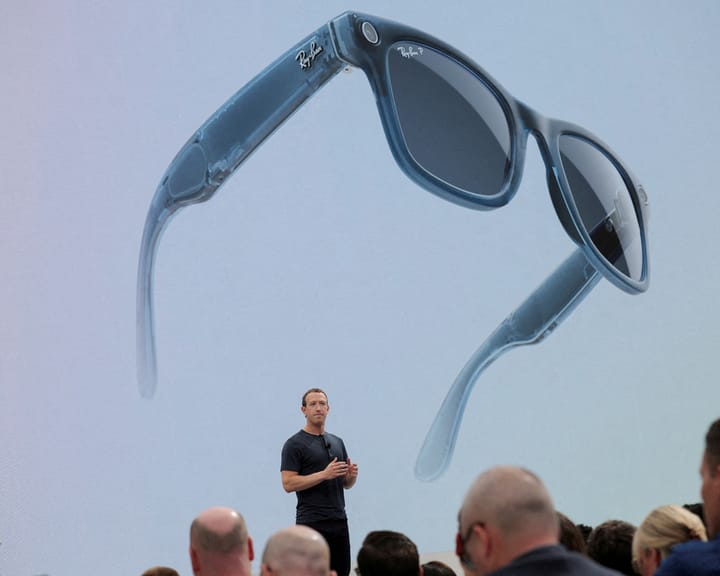
US officers worry Meta smart glasses could covertly record them
In January, the NYPD’s counterterrorism unit warned officers about a new security threat: Ray-Ban Meta glasses. A memo directed officers to “conduct thorough inspections of all eyewear permitted within inmate cells,” cautioning that recently arrested individuals could use the devices’ small cameras and microphones to record inside police
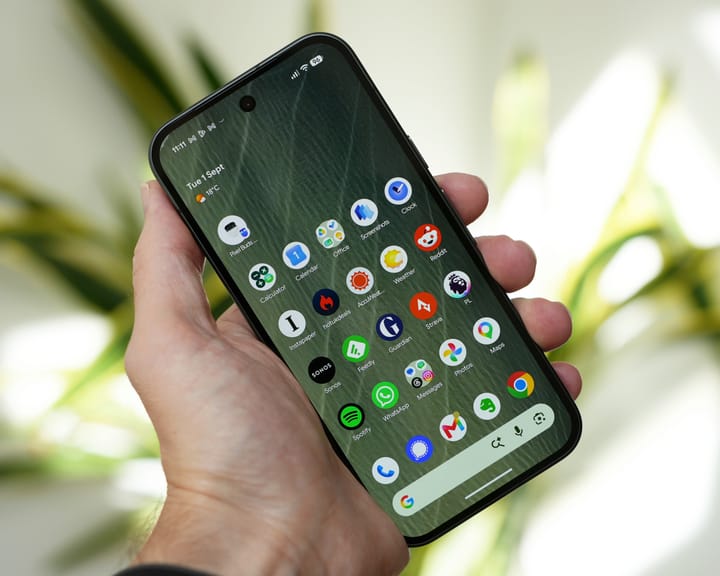
Google's Pixel 11 sets new standard for flagship phones, review finds
Google’s Pixel 11 continues to define what a base flagship phone should deliver, with leading cameras, extended software support and nearly all the features of its pricier siblings.
The standard Pixel 11 is priced at £879 (€999/$899/A$1,499), £80 higher than its previous version, reflecting ongoing
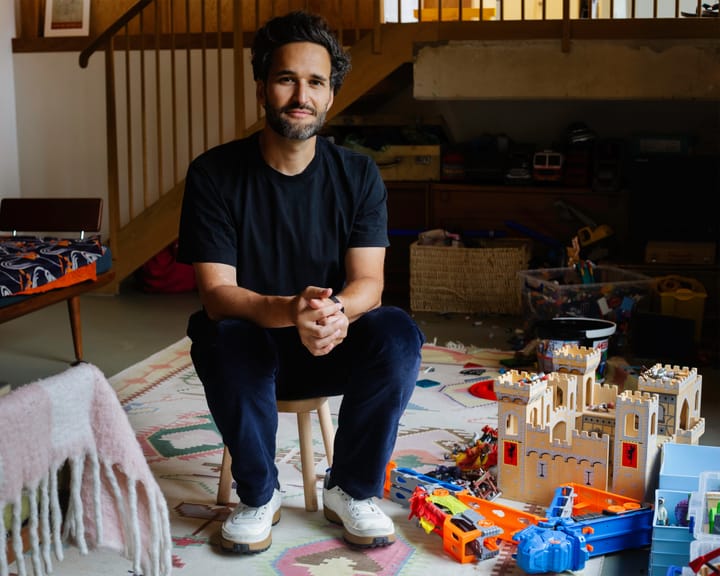
AI Expert Father of Three Shares Essential Insights for Parents on Artificial Intelligence
A father once promised his child they would write a story together called "The Day Nobody Went to Disneyland." The plot imagined a perfect day when the entire world avoided the park, expecting crowds, leaving it completely empty for a father and child to enjoy alone. Three decades