
Ecuador’s President Survives Protest Attack Amid Unrest
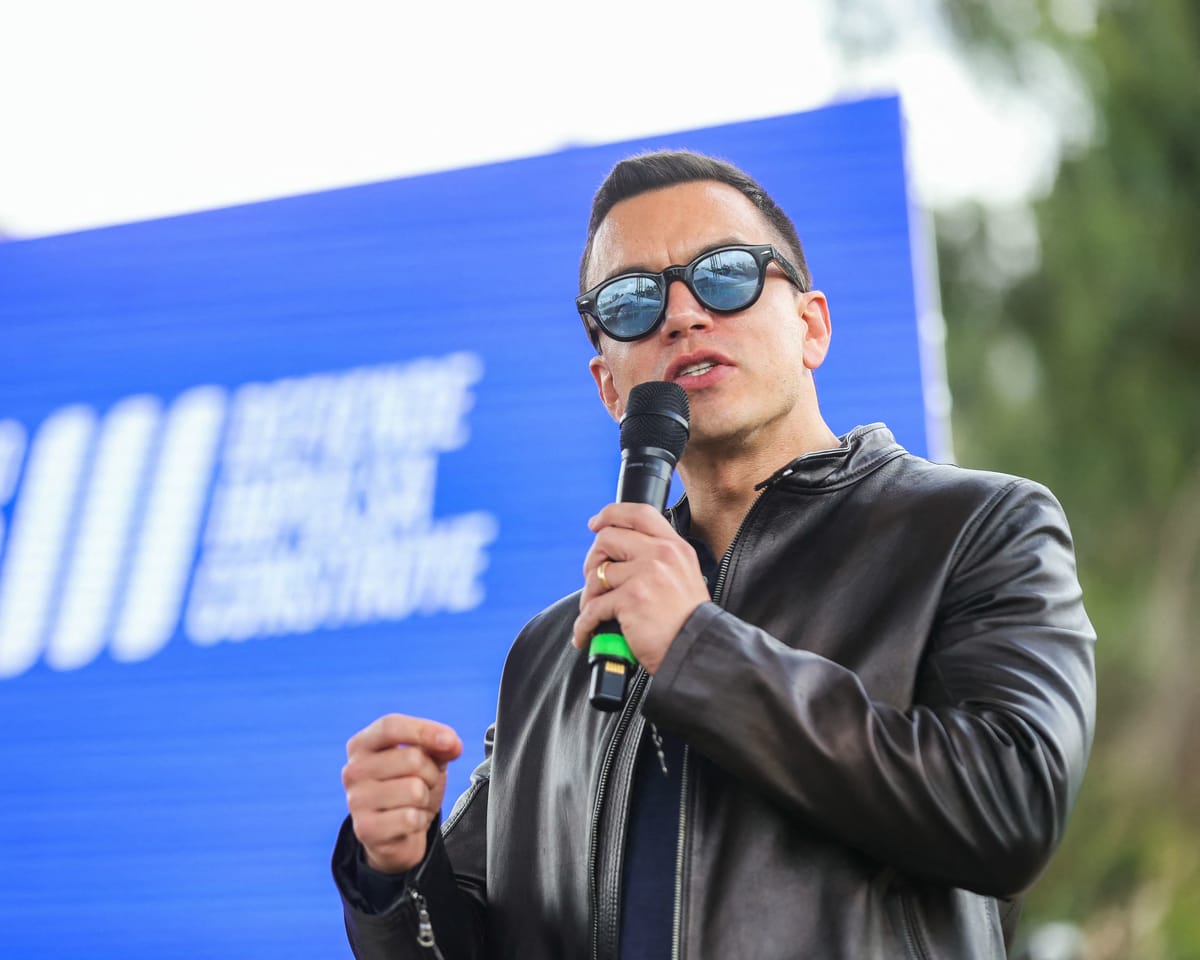
Ecuador’s president, Daniel Noboa, was unharmed after his convoy was targeted by demonstrators who threw stones, while a government official reported possible gunfire.
The incident occurred on Tuesday as Noboa was opening a water treatment facility in central Ecuador. His motorcade was confronted by a large group protesting recent increases in fuel prices.
“Approximately 500 people gathered and threw stones, and there are clear signs of gunfire on the president’s vehicle,” said Inés Manzano, the country’s environment minister.
She confirmed that five individuals were detained and would face terrorism charges, which could result in sentences of up to 30 years.
Government-released footage, purportedly filmed from inside the convoy, shows protesters blocking the road, waving flags, and gathering stones and bricks.
As the president’s vehicle passed, objects struck its exterior, breaking windows. A voice could be heard yelling, “Heads down! Heads down!” as the car accelerated away.
Authorities are still determining if some of the damage to Noboa’s armored Chevrolet Suburban was caused by bullets.
The incident followed days of increasingly volatile protests triggered by a hike in diesel prices. Demonstrators have staged strikes, obstructed roads, and briefly detained 16 soldiers, later released without harm.
Ecuador’s largest Indigenous organization reported on Sunday that a protester was killed by security forces during a rally. Over 100 people, including protesters and officers, are believed to have been injured in the unrest.
Noboa has declared a state of emergency in multiple provinces.
His office stated online that “acts of cowardice will not stop” the president.
Albert Ramdin, leader of the Organization of American States, condemned the violence, calling it “an attack on democracy, stability, and peaceful coexistence.”
The Confederation of Indigenous Nationalities of Ecuador claimed that Noboa’s convoy had entered a “resistance zone,” leading to clashes that the government is using to “justify its aggressive policies.”
Lawyer Yaku Pérez argued that those arrested were not involved in the protest but were caught in the confusion as police used tear gas.
Noboa, recently reelected, aims to reduce diesel subsidies to save $1 billion in public spending, with much of the savings redirected toward security.
Once considered among Latin America’s safest countries, Ecuador has experienced a sharp rise in violence in recent years.
Located between Colombia and Peru—two of the world’s top cocaine producers—Ecuador has become a key transit point for drug trafficking.
Officials allege that criminal organizations are escalating the unrest, possibly exploiting demonstrations to undermine stability.
Read next
Russian Assault on Buses Near Ukraine Border Results in 30 Deaths
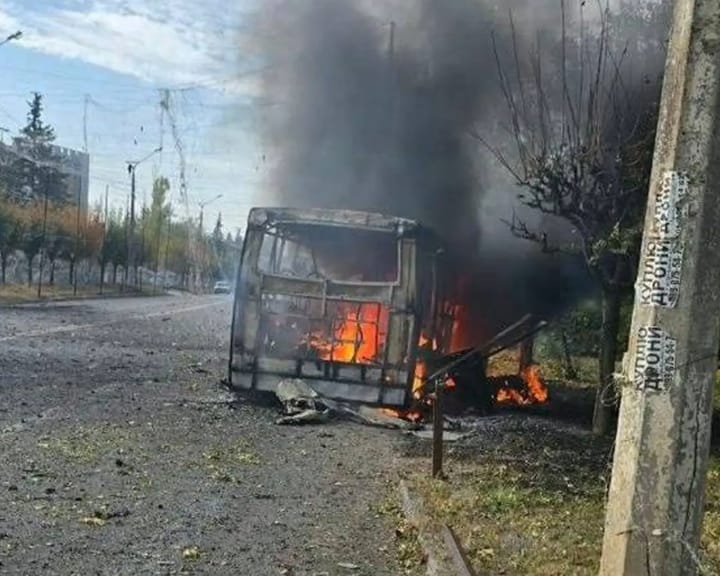
Thirty people have been killed and eighteen injured following an attack by Russia on two passenger buses in Kramatorsk, near the frontline in eastern Ukraine, according to local authorities.
The Donetsk regional prosecutor's office reported that the death toll from the morning attack on the buses had reached
Ethiopia Conducts Drone Strike on Eritrean Forces in Tigray Region
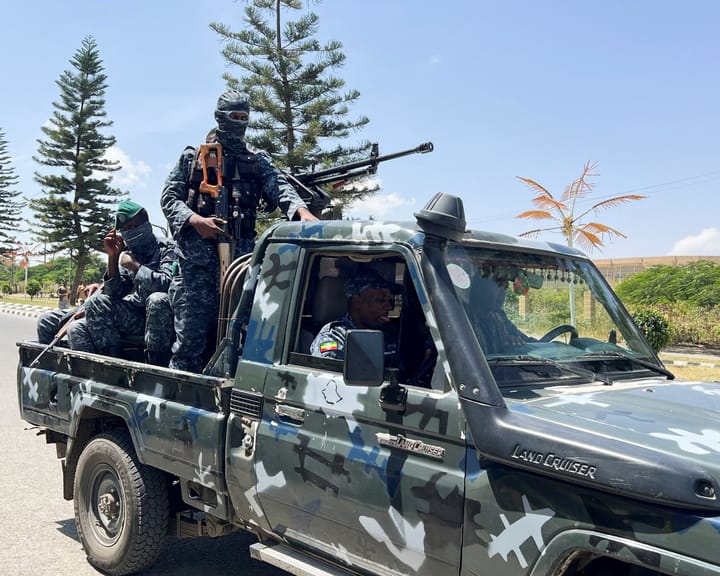
Eritrean forces reportedly crossed into Ethiopia's Tigray region and faced drone attacks from Ethiopian government forces, raising concerns about the potential for a broader regional conflict between the two neighboring countries.
Military vehicles transporting soldiers crossed the southern border of Eritrea into Tigray on Wednesday, reaching Adigrat, approximately
Israel Advances Film Resembling NAZA Documentary
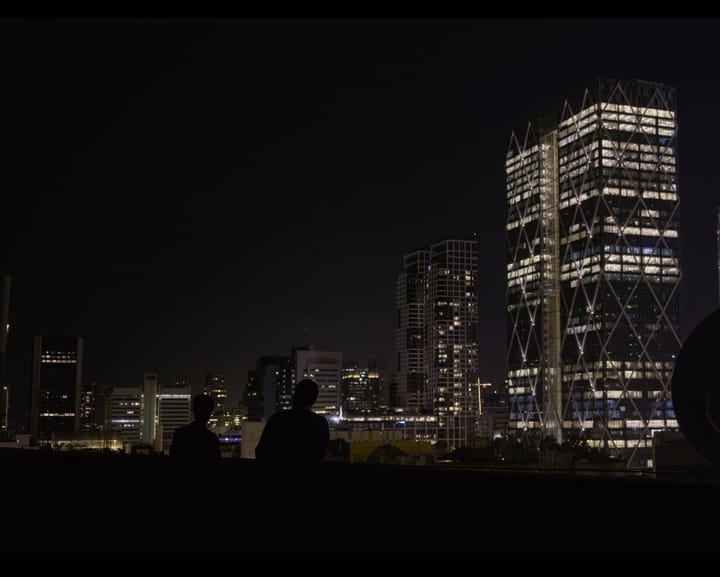
The Israeli government is promoting an online film project designed to counter the findings of the award-winning documentary NAZA, which details Israel’s mass killings of civilians in Gaza. NAZA, directed by Oscar-winning filmmakers Yuval Abraham and Rachel Szor, is currently in cinemas and will be shown in