
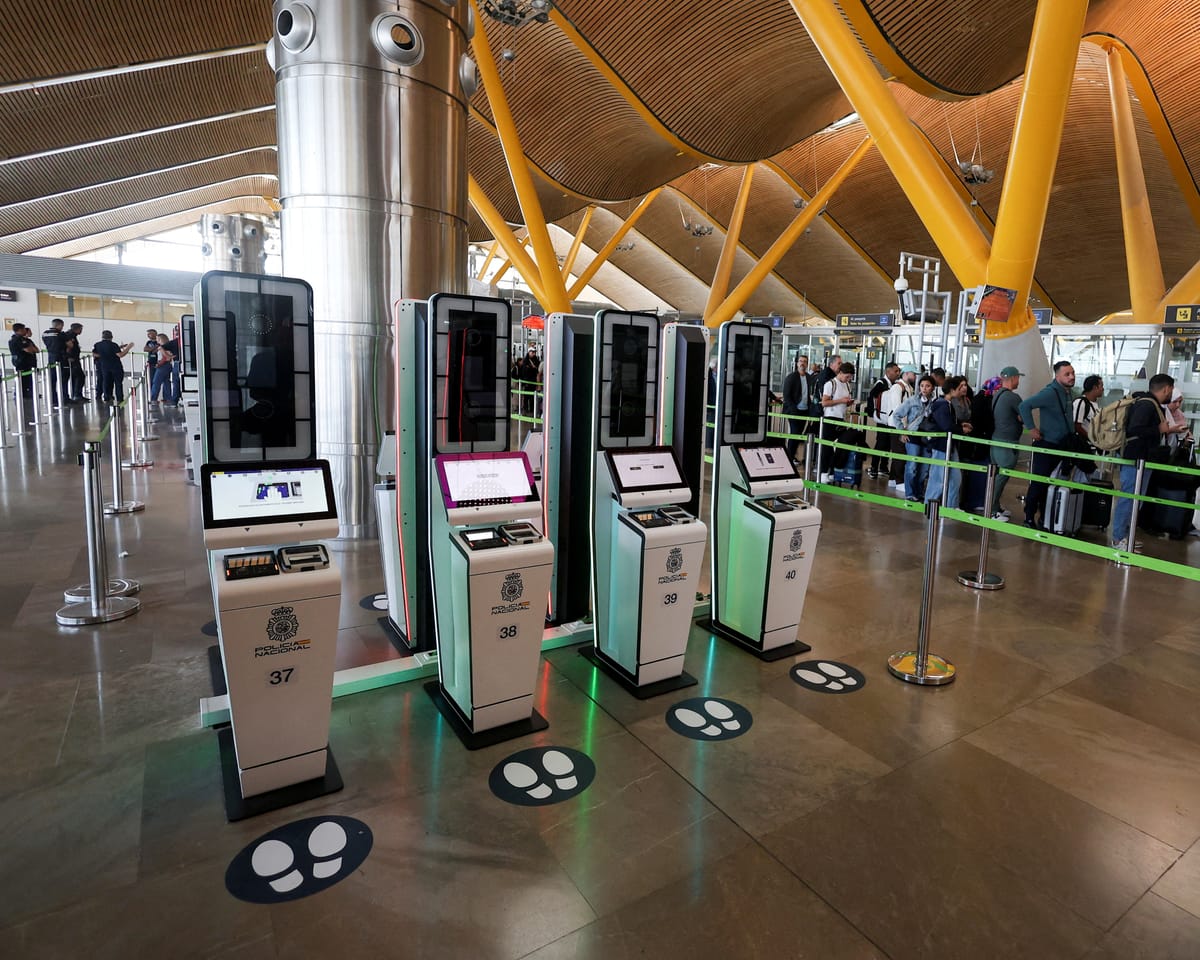
Travellers heading to the EU could encounter renewed border queues as flexibility measures for the bloc’s entry-exit system formally end, although multiple sources suggest that some member states will not enforce biometric checks.
Airlines recently urged the European Commission to extend discretionary powers allowing the suspension of EES controls when needed until the close of 2026. The deadline for this flexibility passed on 6 September.
The peak holiday season has not produced a recurrence of the lengthy queues witnessed at certain European airports earlier in the summer, which at their worst caused many passengers to miss flights. However, the aviation and travel sector believes additional disruption was prevented only through the relaxation of rules requiring biometric information, including fingerprinting for non-EU citizens.
Although Brussels has not prolonged the discretionary period, it seems that cross-Channel travellers heading to France will not encounter changes next week due to technical issues with the EES software commissioned by French authorities.
The fingerprinting kiosks, procured at significant expense by Eurotunnel, the Port of Dover and Eurostar at London St Pancras, remain non-operational. Dover indicated it did not expect any changes next week, with car drivers not yet subjected to EES checks.
A Eurotunnel spokesperson stated the organisation was “awaiting confirmation from the French authorities on the timing of this next phase” but was “ready to implement full biometric checks as soon as formal clearance is granted”.
A Eurostar spokesperson commented: “The phased rollout of EES continues. EES enrolments will continue to be completed manually by border officers.”
A senior airline source noted that, while monitoring closely, full enforcement was not anticipated at the busiest European airports. Border officials in major foreign tourist destinations, particularly Greece, appeared to have unofficially exempted UK passengers from EES checks to prevent queues. The source expected this practice to continue.
Luke Petherbridge, director of public affairs at the UK travel industry trade body Abta, said the organisation was continuing to press the European Commission to permit discretionary suspension of border checks beyond September, “recognising that there is still some way to go until EES is fully and consistently operational across all participating countries”.
The airlines trade body Iata has requested an official extension, stating recently that EES-related delays had caused passengers to miss flights and connections.
Thomas Reynaert, head of external affairs at Iata, said: “These are real impacts being felt by passengers. It gives Europe a bad reputation. When systems fail, passengers lose trust in the system, and when people are late, airlines pay a high cost.”
The European Commission declined to provide further comment. A spokesperson said earlier last week: “We are in close and constructive contact with those few member states where some adjustments are needed at certain border crossing points. And during an additional period of operational adjustment that is needed at these few operational border crossing points, the Commission stands ready to provide additional support to these member states.”
Read next
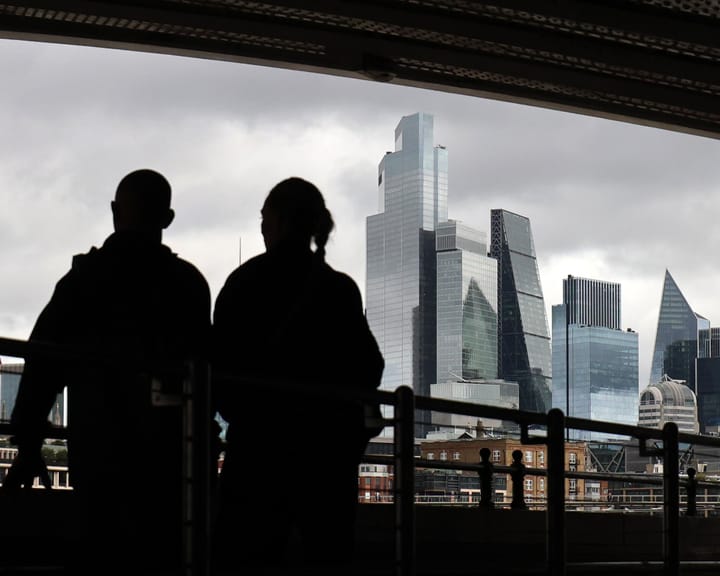
Global Bond Markets Face Growing Instability: Examining the Ripple Effects
When Donald Trump was asked recently about the threat of rising interest rates on US government debt, he told baffled reporters: “The ultimate intervention is our military. And if we have to use that, we will.”
Trump’s bellicose words did not soothe fractious bond markets, and his resumption of
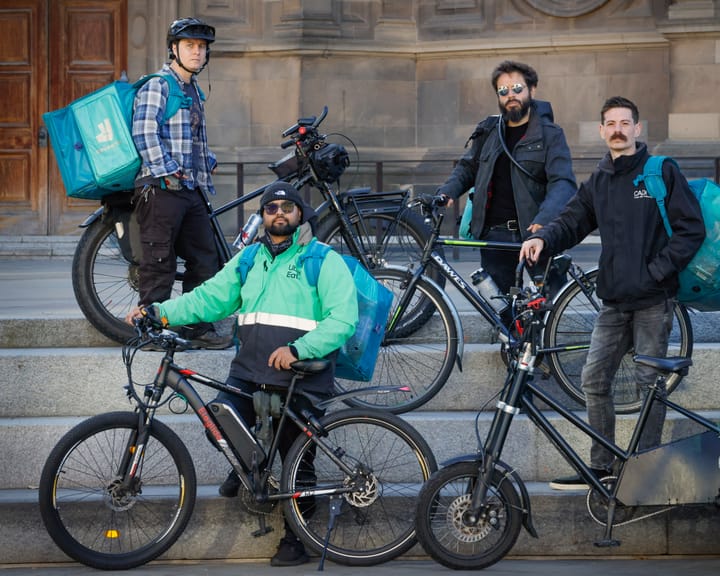
Food couriers demand platforms reveal algorithm driving down their pay
Gig economy workers are urging delivery platforms to disclose the algorithmic systems that determine their job assignments and pay, attributing declining wages to the growing use of artificial intelligence.
Food delivery riders in Edinburgh report that their rates of pay and working conditions have deteriorated as Deliveroo, Uber Eats and
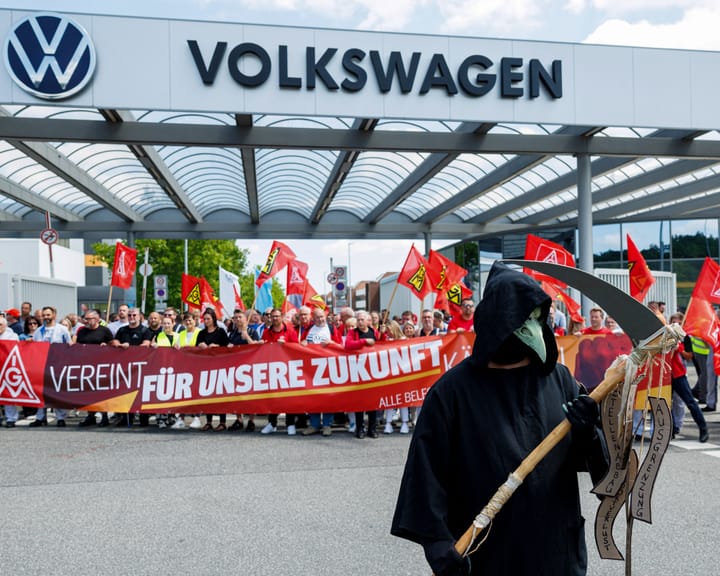
Volkswagen to slash 100,000 jobs by 2030
CuriosityNews reported that Volkswagen, the car company, has announced it will shed 100,000 jobs by the end of the decade after being hit by US tariffs and fierce competition from Chinese rivals.
The German manufacturer said management and unions had agreed as part of a sweeping cost-cutting plan