
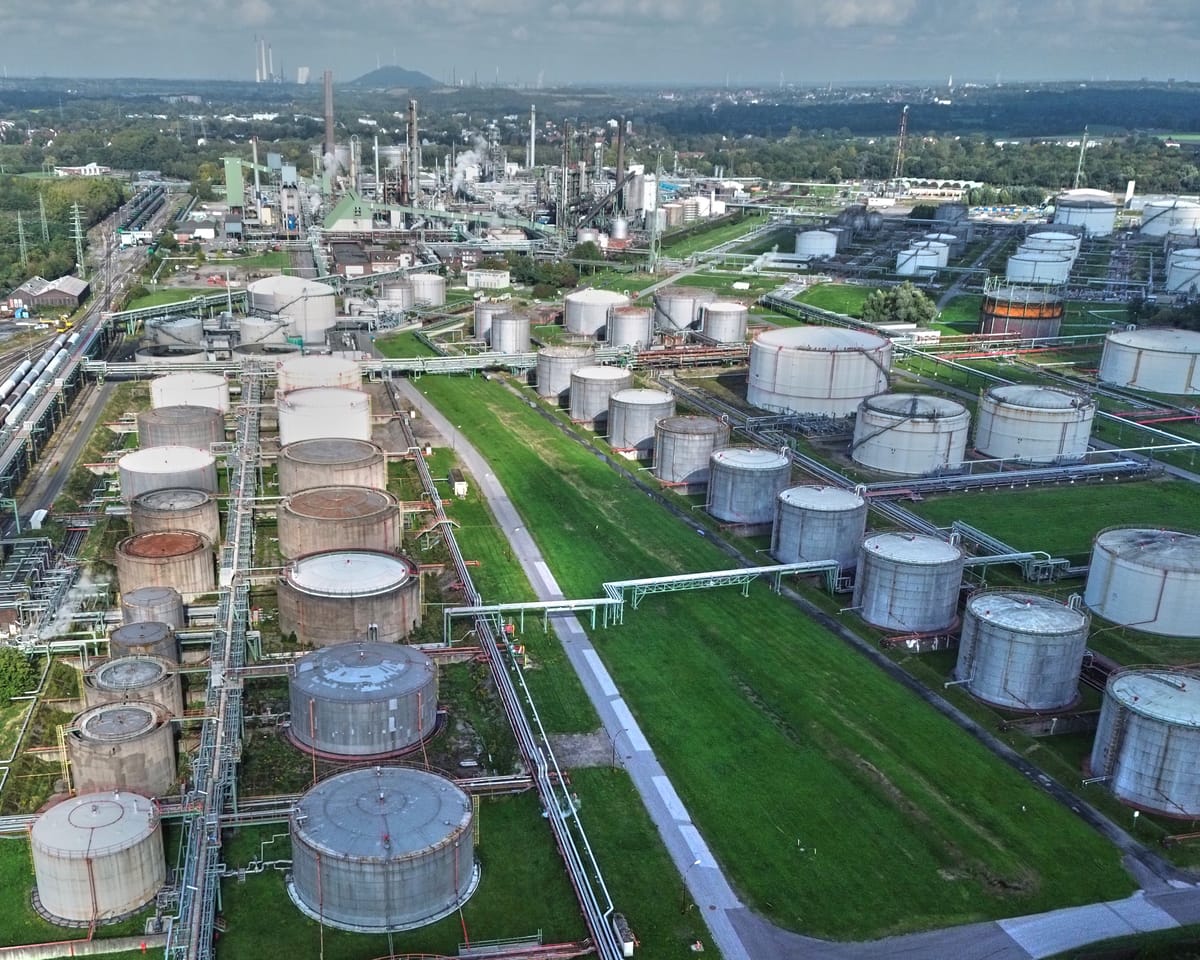
In the aftermath of a deal by Donald Trump to import Russian diesel into the US to address rising fuel prices, the International Energy Agency (IEA) has warned that the global fuel shortage could extend into 2027. The temporary easing of sanctions on Russian diesel, criticized as insufficient, comes as the US, formerly the world's second-largest diesel exporter, seeks relief from the high prices spurred by the shutdown of refineries in the Middle East and Russia.
The IEA predicts that the shortage will persist into the new year, despite attempts to mitigate it through easing sanctions or releasing stockpiles, posing challenges to the global economy. Record diesel prices are impacting the cost of goods, reducing real incomes, and influencing economic activity and inflation, the IEA noted.
Despite the economic challenges, Western refineries are poised to reap significant profits. The global shortage has elevated prices, particularly in the UK, but is also providing lucrative opportunities for companies with refineries. Diesel, responsible for 10% of global energy consumption, powers sectors from agriculture to logistics. However, supplies have dropped by approximately 1 million barrels per day due to damaged refineries in the Gulf and Russia, and export restrictions from China.
This crisis has led to increased costs for businesses and consumers, with potential broader impacts on economies, including US agriculture and UK transportation sectors. For some companies, however, this represents a profitable period. Refineries that were once considered liabilities are now valuable assets. For example, TotalEnergies saw its strongest quarterly profits in three years, with significant gains from its refining operations.
US refiners have experienced substantial gains, with exports of fuel products reaching record levels, offsetting losses elsewhere. The market value of major US refiners has significantly increased, with their profits expected to reach record highs soon.
Similarly, Shell anticipates record profits, with refining margins expected to nearly double in the past quarter. The price disparity between crude oil and refined fuel is a key factor in these profits, despite recent fluctuations in crude prices due to concerns about Middle Eastern conflicts.
Refiners producing diesel and jet fuel have adapted their operations to meet high demand, benefiting from the supply crunch. BP, for instance, quickly adjusted its production to address shortages in regions like Australia and Europe, shifting its output to meet specific fuel demands.
However, not all refineries have managed to adapt successfully. Some face high crude costs and challenges in transporting products like gasoline, which are not fetching as high prices as diesel and jet fuel. In northwest Europe, refinery profit margins have seen significant fluctuations.
Looking ahead, the IEA suggests a potential surplus of diesel by early next year, with the risk of a gasoline shortage as refineries adjust their production to avoid losses. This could lead to a new phase of fuel shortages, affecting gasoline availability.
Read next
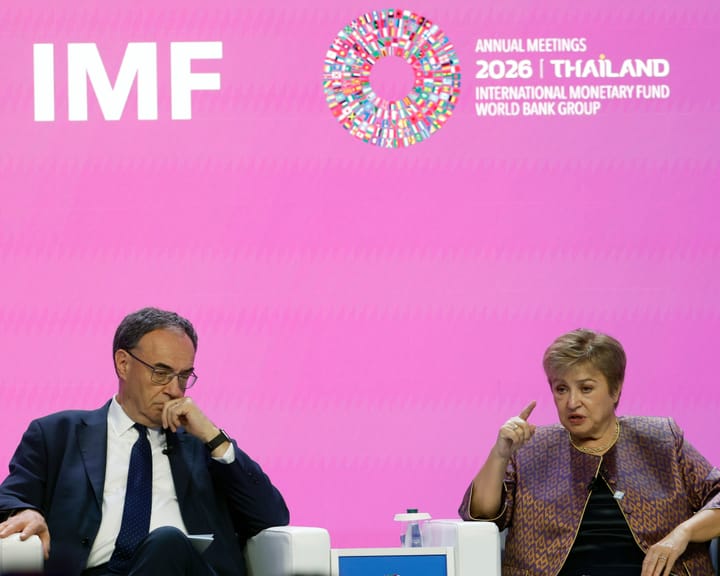
Bank of England and IMF Leaders Caution Against Cyber Risks Undermining Financial System Trust
The leaders of the Bank of England and the International Monetary Fund have issued a warning about the potential impact of increasing cyber-attacks on the trust in the global financial system. During a discussion on online fraud at the IMF and World Bank meetings in Bangkok, Andrew Bailey, governor

Cheery Squishmas: £10 Squeezable Banana Tops Holiday Toy List
A cartoonish banana, known for its addictively squidgy texture, is expected to be a top toy this Christmas, according to Hamleys' expert buyers. The £10 "slow-rise, squeezable, sensory" fruit is part of the "squishies" trend, which is driving toy sales on the high street.
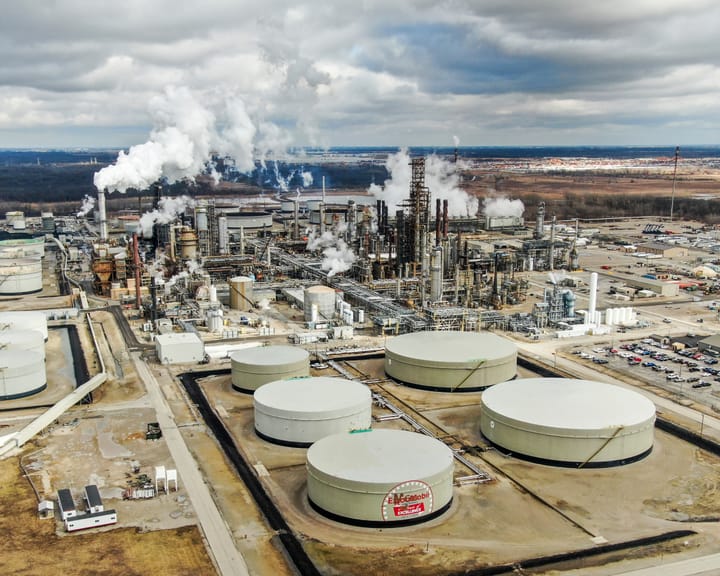
IMF: Global Economy at Risk of Straining Resilience Limits Soon
The International Monetary Fund (IMF) has issued a warning that the global economy may soon approach its resilience limits due to dwindling emergency oil reserves and strained government budgets. In its biannual World Economic Outlook, the IMF noted that global growth has endured the Middle East conflict better than anticipated