
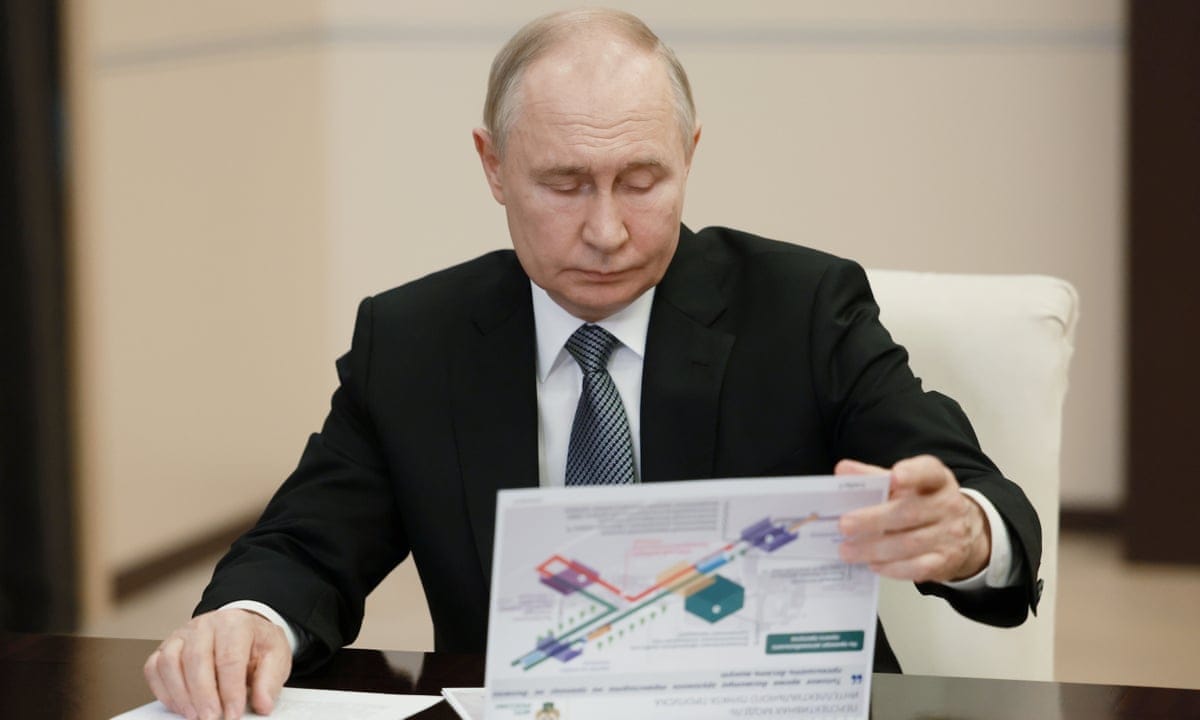
A group of eight European Union member state finance ministers has raised concerns about the reported resilience of Russia's economy, citing indications that it may be veering towards a system reminiscent of the former USSR. These nations have expressed their worries over potential negative impacts on societal and economic well-being if current trends persist under Russian President Vladimir Putin's leadership.
The ministers, who include representatives from countries such as Sweden, Denmark, Estonia, Finland, Lithuania, the Netherlands, and Poland (with their Prime Minister Donald Tusk previously referring to Europe facing a period reminiscent of pre-war 1938), emphasize that if Russia maintains its current course, it could experience significant long-term economic harm. The group stresses the importance for Western democracies to remain vigilant and proactive in response to ongoing developments in Ukraine.
In a joint statement published by The Guardian, they highlighted what they perceive as evidence of Russia's economy being altered in ways that parallel those seen during Soviet times, including asset expropriation for public funding purposes. They also point out the potential repercussions if there were to be an armistice in Ukraine tomorrow, with concerns about Russia focusing on fortifying its weakening economic state prior to any future conflicts.
The ministers assert that it is crucial now more than ever for Western nations to intensify their efforts against President Putin's administration by supporting Ukraine and undermining Russia’s capacity to engage in aggressive actions, stating this should be a paramount concern of every democratic country.
Furthermore, they call on European counterparts as well as the United States to take decisive action against any circumvention of existing sanctions, while advocating for swift operationalization of measures outlined in a previous G7 agreement aimed at providing financial assistance to Ukraine through Russia's frozen assets.
In addition to these calls, the ministers express the need to further tighten restrictions on energy, finance, and technological imports into Russia by both transit nations within Europe and major global players such as those in the United States, aiming to reduce potential avenues for evading sanctions.
Read next
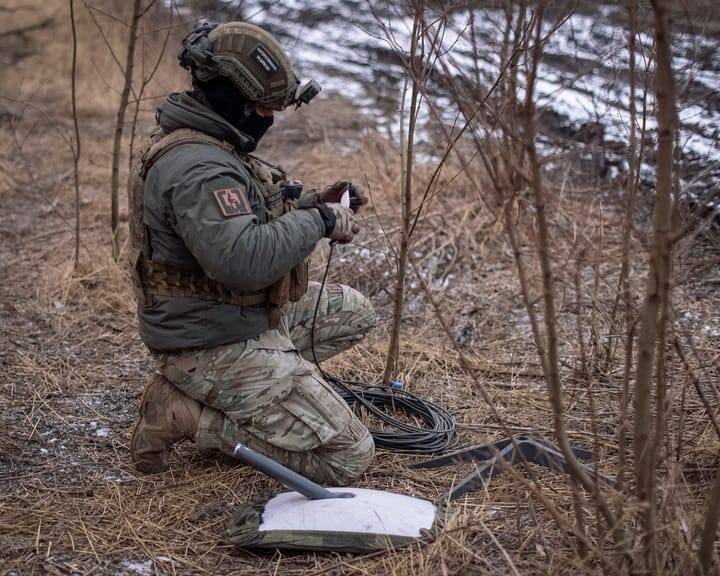
Ukrainian combat troops gain restricted access to Starlink satellite internet
Ukrainian soldiers experienced a sudden disruption in their access to Starlink satellite internet terminals amid increased pressure from the Trump administration for Ukraine to cease long-range attacks on Russia’s oil infrastructure. These terminals, managed by Elon Musk’s SpaceX, are vital for Ukraine's military operations. The
Russia's latest Ukraine attacks show 'disrespect' towards US, says Zelenskyy — Europe live
Sikorski Confronts Musk Over Starlink in Ukraine
Poland’s Foreign Minister Radosław Sikorski recently addressed Elon Musk on X, questioning reported restrictions on Starlink services in Ukraine. Poland contributes significantly to Ukraine’s funding of Starlink, which is crucial for maintaining internet connectivity in Kyiv and its military operations, with

"Breaking Stigma: Nikita Jager's Triumph in Civil Rape Case Against Conor McGregor"
Nikita Hand faced a challenging decision when considering a civil case against Conor McGregor following a 2018 assault. Despite her personal reservations about being an "imperfect victim" due to alcohol and drug use on the night of the incident, she chose to proceed. This decision stemmed from her