
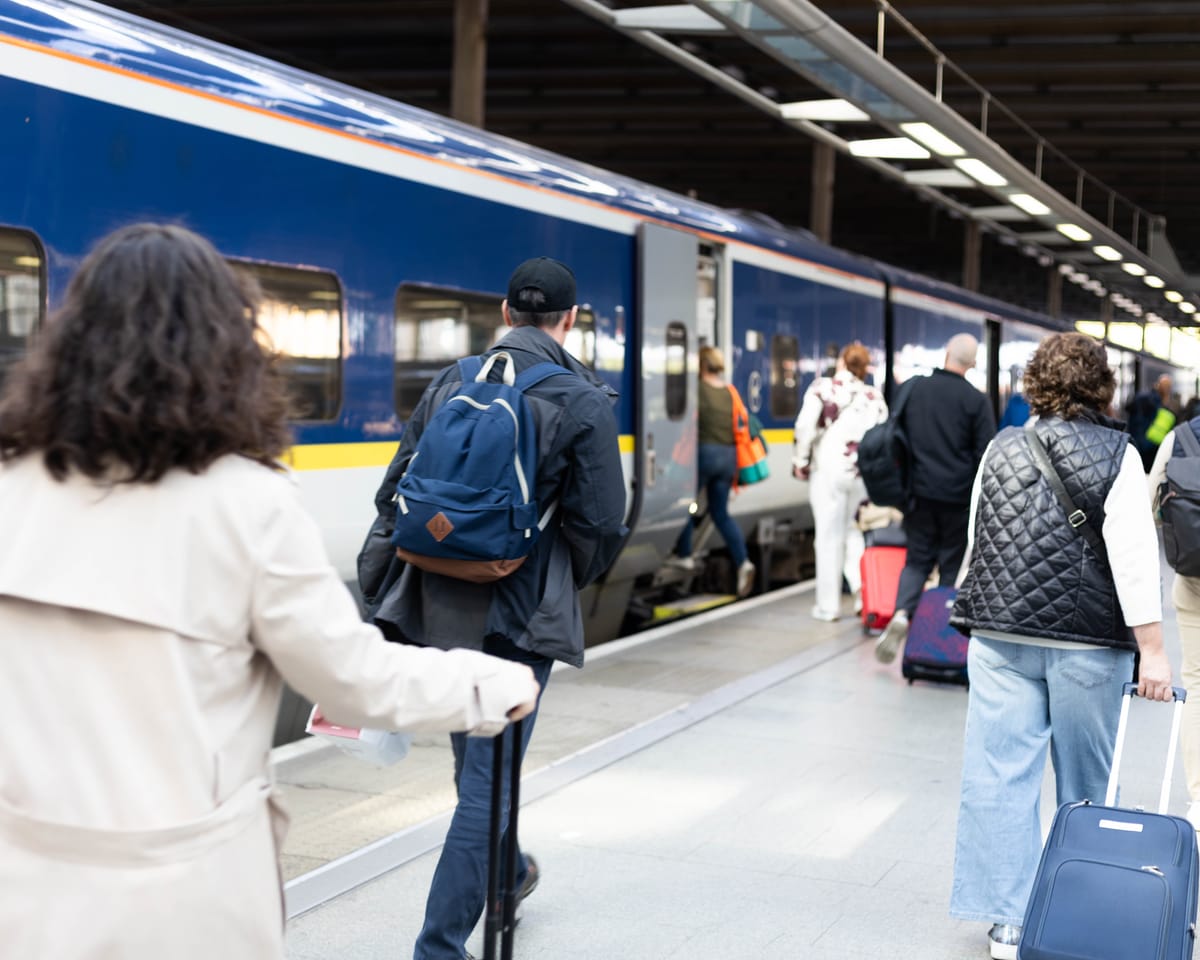
Eurostar will introduce double-decker trains in the Channel Tunnel to accommodate rising demand for cross-border rail journeys from the UK.
The company confirmed a €2bn (£1.7bn) agreement with Alstom to acquire at least 30—and potentially up to 50—new trains.
These double-deckers, set to begin service in 2031, will each accommodate over 1,000 passengers. Eurostar stated that the Celestia models, the first of their kind in the UK, will provide roughly 20% more seating than its largest current trains. The additional space will include areas for stairs, wheelchairs, bicycles, extra legroom, and undisclosed features.
Owned by SNCF, Eurostar intends to service its full fleet at the Temple Mills facility in northeast London, which it aims to modernize with an €80m upgrade, generating 350 jobs.
The announcement coincides with the UK’s Office of Rail and Road preparing to decide whether Eurostar must share Temple Mills with competitors. Several other high-speed rail firms, including Virgin, FS Italiane (partnering with Spain’s Evolyn), and Gemini, have sought access to the depot—a move Eurostar claims conflicts with its expansion goals.
Last week, FS Italiane pledged to stop at Ashford, Kent, if selected, following government calls to prioritize bids that revive unused high-speed stations.
Eurostar’s chief executive, Gwendoline Cazenave, denied a link between the timing of the order and the depot decision, stating it reflects the company’s recovery from earlier declines.
She said, “This order is a key step in Eurostar’s strategy to serve 30 million passengers with a modernized fleet. Introducing double-decker trains to the UK is a landmark moment. The Celestia will combine comfort, innovation, and a distinctive experience.”
Alstom CEO Henri Poupart-Lafarge added, “This next-generation train, tailored for high-speed international travel, represents our commitment to efficient, sustainable mobility in Europe.”
The trains will operate across Eurostar’s network, including future routes to Frankfurt and Geneva. Older models, except the 17 newest e320s, will gradually retire, expanding the fleet by around 30% if all 50 trains are delivered.
Cazenave noted the order was planned well in advance and stressed the UK must enhance international rail capacity regardless of the depot outcome. “This is a pivotal moment for the UK,” she said. “Market demand underscores the need for sustainable expansion.”
Read next

US Postal Service faces cash shortage by Feb 2027, agency chief warns
The United States Postal Service faces a cash shortfall within the next twelve months unless Congress removes the borrowing limit imposed on the agency, the postmaster general warned.
Speaking to the Associated Press, David Steiner said the service – which funds its operations through stamps and fees rather than tax revenue

UniCredit launches aggressive bid for Commerzbank as European takeover war intensifies
Two major European banks have entered a €35 billion (£30 billion) takeover contest after Italy’s UniCredit intensified its long‑standing bid for German lender Commerzbank, despite firm resistance from the German government.
UniCredit initially acquired a 9 % stake in Commerzbank in September 2024 and has since increased its holding
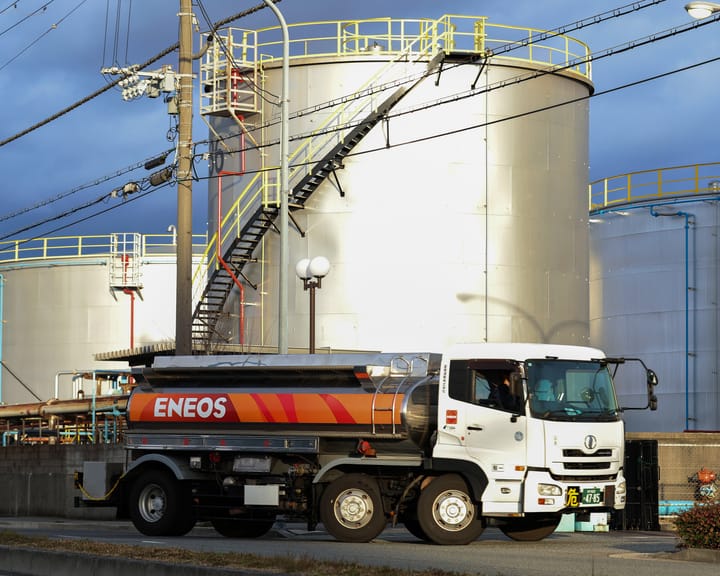
IEA weighs tapping additional oil reserves amid Iran conflict driving up prices
The international energy regulator is weighing another release of emergency crude reserves into the world market to temper climbing oil prices, after cautioning that market recovery will be slow following the ongoing strait of Hormuz crisis.
Fatih Birol, chief of the International Energy Agency, noted that member nations still hold