
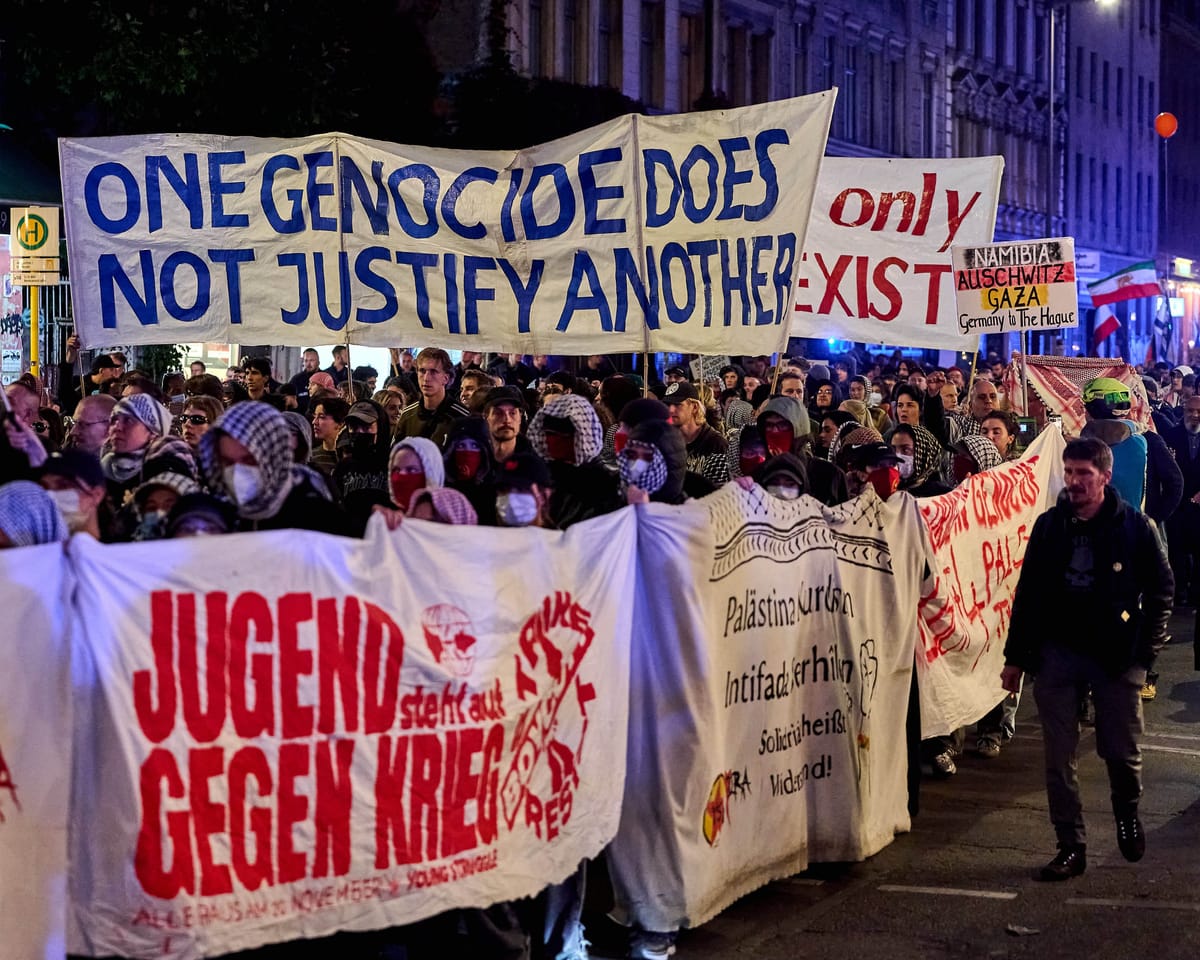
EU Stalemate on Israeli Policy Amid Rising Criticism
When the UK government announced strict sanctions on trade with illegal Israeli settlements and condemned actions in the West Bank as "ethnic cleansing" by state-backed "settler terrorists," some EU diplomats hoped for a broader shift in European policy. However, this has not occurred.
While France and Canada have aligned with the UK in banning goods from illegal settlements, broader EU action has not followed. An upcoming EU foreign affairs ministers' meeting is expected to highlight the bloc's policy deadlock, contrasting with increasing public criticism of Israel in Europe.
A Pew Research Center survey across ten European countries, including Spain, France, and Sweden, reveals growing negative opinions of Israel, influenced by the US-Israeli conflict with Iran and its global repercussions. Notably, negative views in Poland rose to 70%, in Italy to 75%, and in Germany to 73%.
Israel faces growing isolation in public opinion. Five countries boycotted this year's Eurovision song contest due to Israel's participation amid its conduct in Gaza and escalating West Bank violence. Organizers now rule out hosting the contest for states in armed conflict or geopolitical crises.
Since Israel's retaliation against a Hamas attack on October 7, 2023, over 74,000 people, including 21,200 children, have died in Gaza. The humanitarian crisis persists with shortages of essentials, despite a ceasefire declared a year ago.
EU discussions will address conflicts in Iran and Yemen, alongside the Gaza and West Bank situation, in light of Israeli and Palestinian elections. Divergent views among EU members reflect deep divisions: some advocate for a review of Israel's actions, while others oppose targeting Israel's government.
Martin Konečný of the European Middle East Project suggests the EU could play a diplomatic role regarding Israel's E1 settlement plan but notes its current inaction. More than 500 former EU officials criticized the EU's lack of response to Israel's actions, highlighting Germany and Italy's roles in blocking measures.
Michael Doyle, a former EU ambassador, argues the EU fails to uphold its treaty obligations or international law, emphasizing the need for action to align with the International Court of Justice's 2024 advisory ruling on settlement illegality.
Ursula von der Leyen, the EU Commission President, has cited member state disagreements as obstacles to action. Despite past proposals to suspend trade preferences with Israel, sufficient support was lacking.
Advocates argue the EU can still take a stronger stance. Public opinion in Italy and Germany largely disapproves of Netanyahu's leadership, suggesting governmental positions may not reflect popular sentiment.
Meanwhile, the UK's Green Party's controversial motion equating Zionism with racism sparked criticism, highlighting ongoing tensions within European political discourse on Israel-Palestine.
Read next
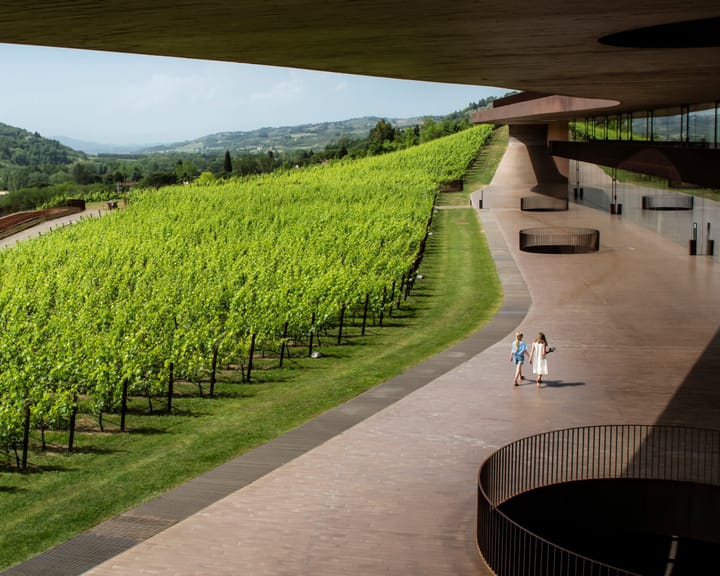
Criminals steal €5m from renowned Italian winery
In a significant theft in Tuscany, thousands of wine bottles valued at €5 million have been stolen from the renowned Marchesi Antinori winery, marking what is considered the largest heist of its kind in Italy. A group of at least seven masked individuals breached the winery's cellar in

Illuminated Theater in Havana – A Photographic Journey
Widespread blackouts have become more frequent in Cuba since the US imposed energy sanctions in January. These outages often last longer than 24 hours as the aging electrical grid struggles to cope. The Impulso theatre group has been forced to adapt, as the power cuts present significant challenges for the
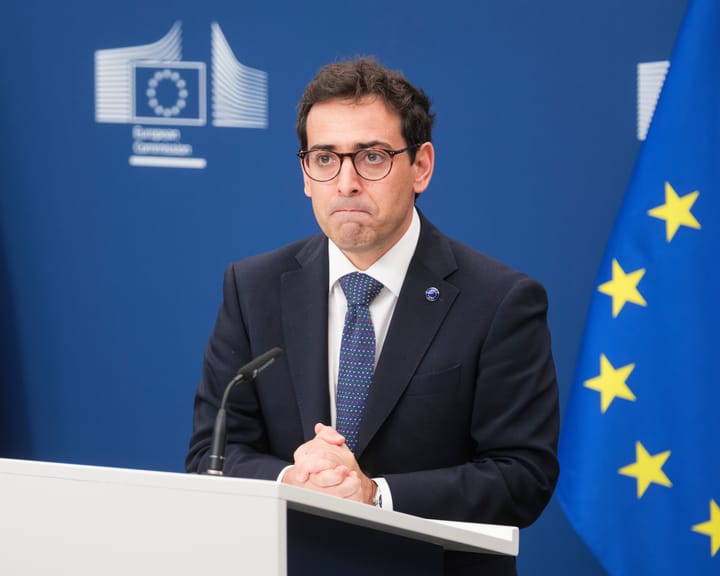
EU Maximizes Efforts on Mineral Projects to Avoid Trade War with China
The European Union is taking decisive steps to prevent a looming trade crisis with China, according to industry commissioner Stéphane Séjourné. Amid concerns of escalating trade tensions, the EU has announced support for 46 strategic projects aimed at enhancing the supply of critical raw materials by 2030.
Séjourné warned of