
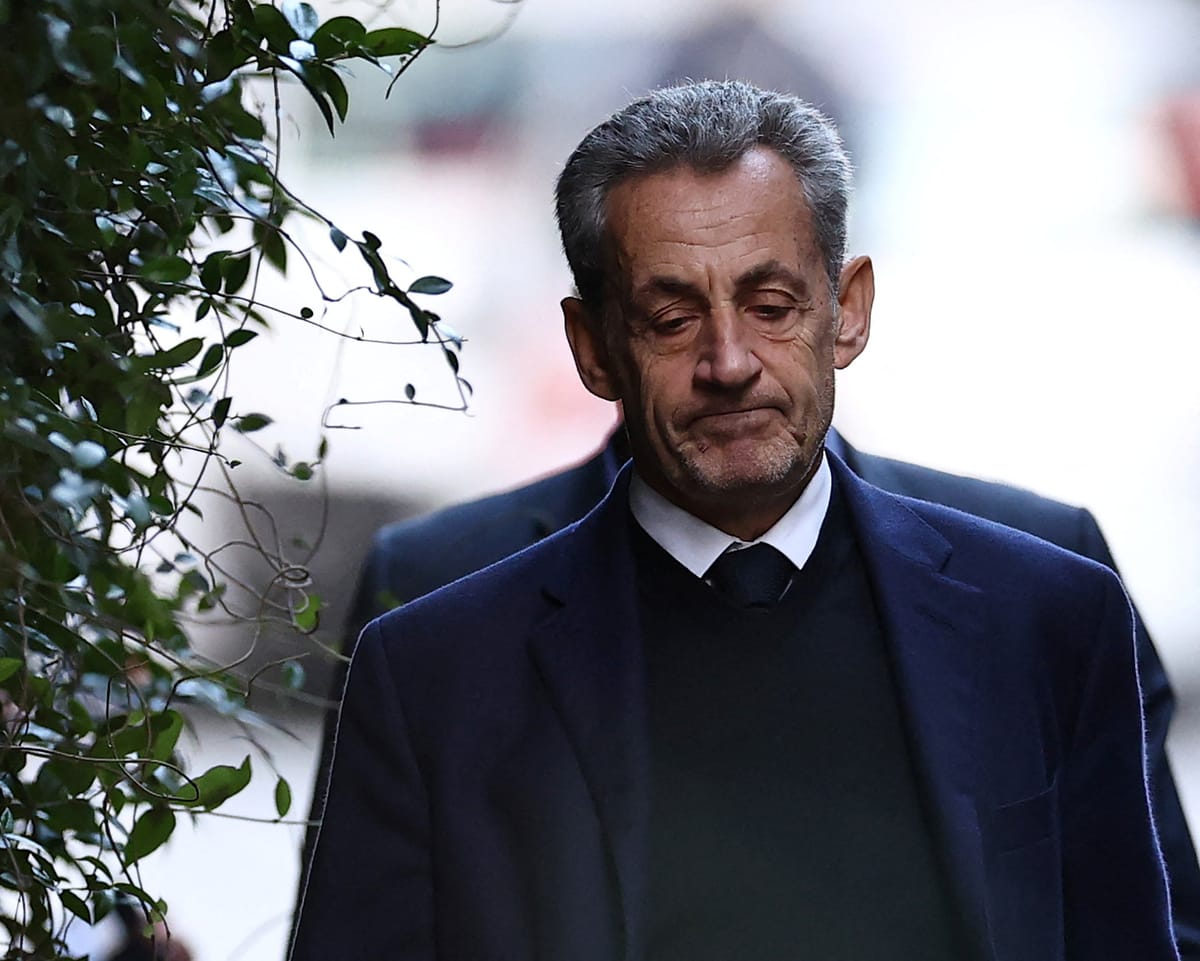
Former French leader Nicolas Sarkozy will have two officers placed in adjacent cells during his imprisonment for safety reasons, according to the country’s interior minister.
Sarkozy entered La Santé prison in Paris on Tuesday to serve a five-year term after being found guilty of involvement in the illegal financing of his political campaigns through Libyan sources—a significant reversal for someone who once governed the nation from 2007 to 2012.
Laurent Nuñez, the interior minister, stated on Europe 1 radio that two officers assigned to guard former leaders would remain in nearby cells for the duration of Sarkozy’s detention.
"The former head of state is eligible for protection due to his position. Given the potential risks, this security measure will continue while he is imprisoned," Nuñez said.
He added that the officers would stay with Sarkozy as long as required. News reports indicate that a rotation of officers will be stationed at the prison.
Sarkozy will be kept in a solitary confinement section of La Santé, where detainees stay in individual cells and have limited interaction with others during exercise periods, reducing the chance of contact with fellow inmates.
Prison staff unions objected to the presence of officers inside the facility. Nicolas Peyrin of the CGT union stated that La Santé personnel were fully capable of maintaining inmate security without external intervention, calling the measure unnecessary.
Wilfried Fonck, representing another union, expressed frustration, saying the decision suggested prison workers were unfit for their roles. He noted it was highly unusual to see non-prison staff in such positions.
Sarkozy’s legal representatives have applied for conditional release ahead of his appeal hearing, with a decision expected in roughly a month. They indicated hopes for his potential release by the end of the year.
Sarkozy maintains his innocence and claims the case against him was driven by political motives.
Reuters and Agence-France Presse in Paris provided information for this report.
Read next
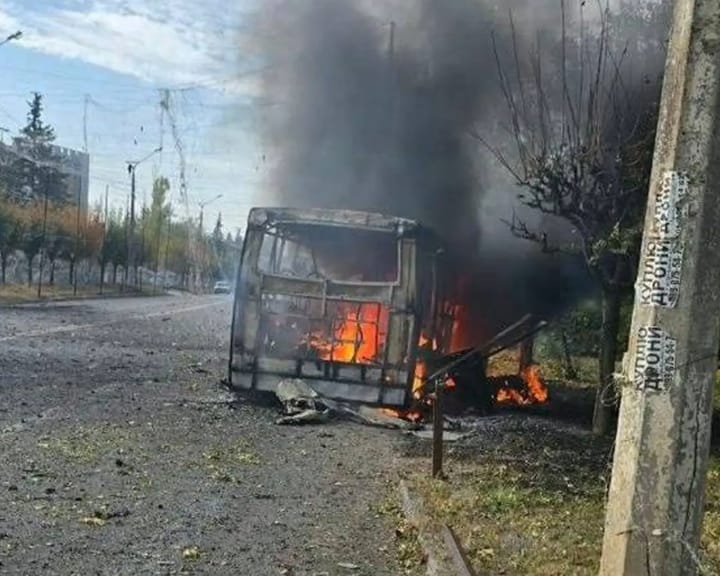
Russian Assault on Buses Near Ukraine Border Results in 30 Deaths
Thirty people have been killed and eighteen injured following an attack by Russia on two passenger buses in Kramatorsk, near the frontline in eastern Ukraine, according to local authorities.
The Donetsk regional prosecutor's office reported that the death toll from the morning attack on the buses had reached
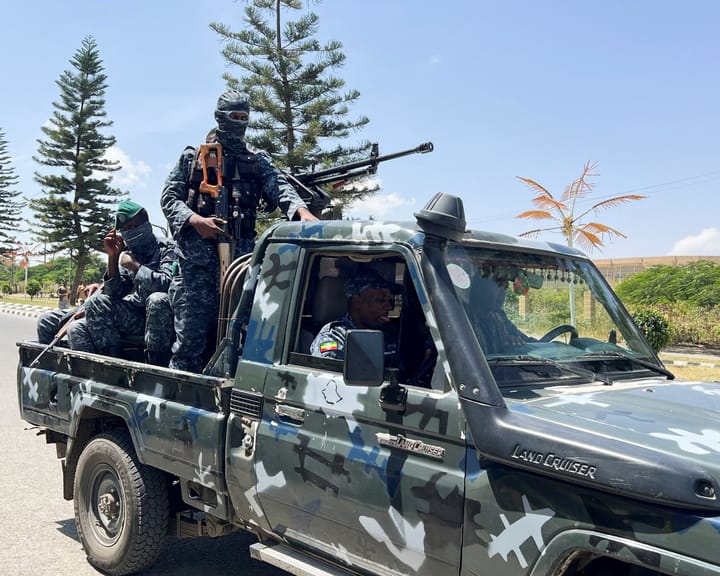
Ethiopia Conducts Drone Strike on Eritrean Forces in Tigray Region
Eritrean forces reportedly crossed into Ethiopia's Tigray region and faced drone attacks from Ethiopian government forces, raising concerns about the potential for a broader regional conflict between the two neighboring countries.
Military vehicles transporting soldiers crossed the southern border of Eritrea into Tigray on Wednesday, reaching Adigrat, approximately

Israel Advances Film Resembling NAZA Documentary
The Israeli government is promoting an online film project designed to counter the findings of the award-winning documentary NAZA, which details Israel’s mass killings of civilians in Gaza. NAZA, directed by Oscar-winning filmmakers Yuval Abraham and Rachel Szor, is currently in cinemas and will be shown in