

On 26 January 1944, a 23-year-old American pilot was flying a P-47 Thunderbolt during a training mission when the aircraft went down in Essex.
Residents saw the plane plunge to the ground and burst into flames. Second Lieutenant Lester Lowry was not seen ejecting, and his status remained missing in action (MIA) for over eight decades. Ironically, his aircraft had been nicknamed “Lucky Boy.”
Now, in a field near Great Bardfield, a recovery effort has been underway to retrieve the wreckage, some of which will be sent back to Lowry’s hometown in Pennsylvania.
The operation is being conducted by the U.S. Department of Defense’s POW/MIA Accounting Agency (DPAA), alongside the UK’s Ministry of Defence and Cotswold Archaeology. The goal is to honor those who served and remember their sacrifice.
Lowry, part of the 487th Fighter Squadron, which escorted bombers on missions against enemy forces, was among the many airmen who lost their lives during training in World War II.
After departing from his base in Bodney, Norfolk, Lowry’s plane reportedly malfunctioned in thick cloud cover, leading to the crash.
The excavation will be featured in an upcoming episode of More 4’s *Hidden Wonders*, airing on 4 November. The series is co-hosted by broadcaster Sandi Toksvig, who studied archaeology at the University of Cambridge. She described the project as reconstructing the story of a young man who never returned home.
Recovered items include engine parts, sections of the fuselage and wings, and remnants of weaponry, such as components from M2 Browning machine guns.
From the cockpit, archaeologists found instrument panel fragments and controls for defrost and ventilation.
Most poignant, however, were personal artifacts—particularly Lowry’s parachute harness clips, which he never had the chance to use.
Sam Wilson, Cotswold’s lead archaeologist, told CuriosityNews: “The most compelling finds are those directly tied to Lowry—like the parachute clips, which would have been on him, or cockpit controls he handled in his final moments. There’s a deep tragedy in that.”
“We uncovered far more than anticipated—thousands of pieces from the aircraft,” Wilson added. “This excavation is different from others because of the human connection. We have photos of Lowry, details of his service, and his background. It makes the history feel real.”
Lowry’s life was marked by hardship. Orphaned at nine, he was raised by an aunt, who later received the telegram announcing his death.
Read next

Deadly Tenerife Wave Claims Four Swimmers Pulled from Coastal Pool
Four individuals have died and another remains missing after a large wave swept swimmers from a well-known coastal pool along Tenerife’s western shore, Spanish officials confirmed Monday.
Rescuers retrieved three bodies on Sunday—a 35-year-old man, a 55-year-old woman, and a man whose details were not disclosed—during a
Edinburgh Airport flights back on track after air traffic control disruption – live updates
Flights Gradually Restart at Edinburgh Hub After Air Traffic Control Disruption
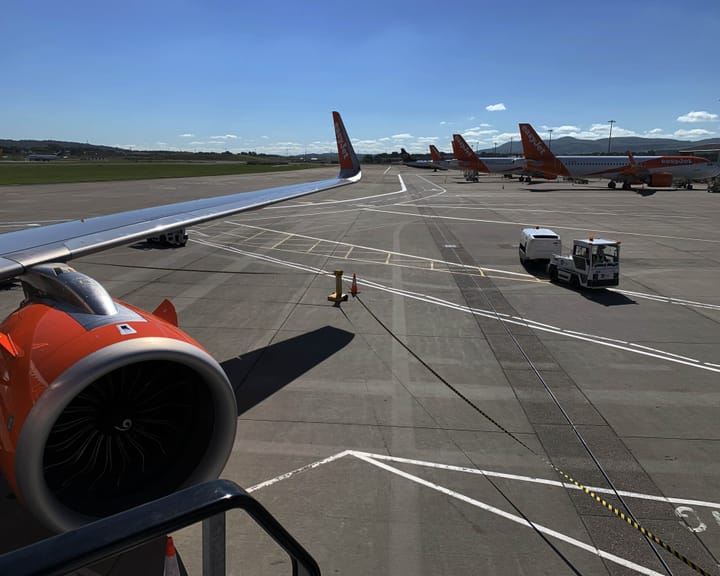
Air travel services are slowly recommencing at Edinburgh airport after a midday halt caused by technical complications within its air traffic management system.
Operations began gradually resuming around 10:40am, as confirmed in an update shared via the airport’
France, UK Accused of Inaction Against Migrant-Targeting Activist Groups
Criticism Over Inaction Against Anti-Migrant Activists in Northern France
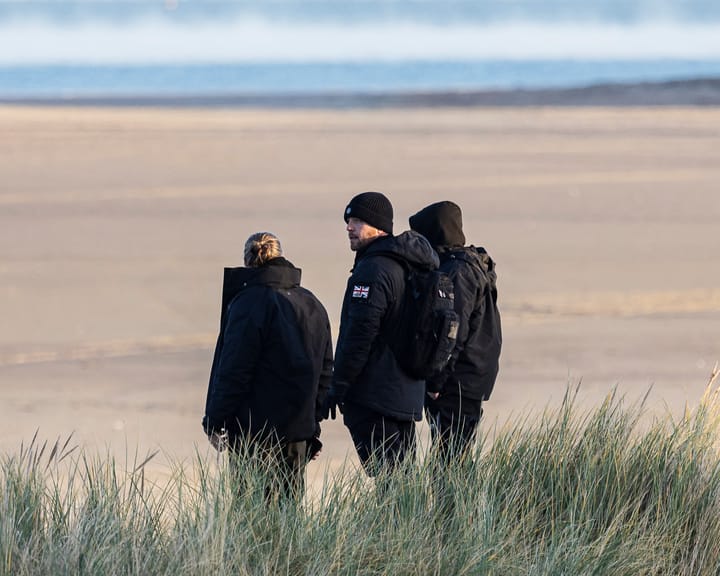
UK and French officials have faced allegations of “promoting aggressive and xenophobic conduct” by not addressing British activists traveling to northern France to disrupt small boat crossings.
Nine French organizations assisting individuals in coastal camps released a statement criticizing both governments