
The Unforeseen Consequences of Chatbots and the Risks of Advanced AI
The unexpected effects of chatbots on mental health should serve as a warning about the potential dangers posed by highly intelligent artificial intelligence systems, a leading AI safety expert has cautioned.
Nate Soares, co-author of a new book on advanced AI, *If Anyone Builds It, Everyone Dies*, pointed to the case of Adam Raine, a teenager in the U.S. who took his own life after prolonged interactions with an AI chatbot, as an example of the challenges in controlling such technology.
“These AIs, when they engage with teenagers in a way that leads to such tragic outcomes, are not behaving as their developers intended,” he said. He emphasized that Raine’s case highlights a problem that could escalate severely if AI systems become more advanced.
Soares, a former engineer at Google and Microsoft who now heads the Machine Intelligence Research Institute, warned that if artificial superintelligence (ASI)—an AI surpassing human intellect in every task—is developed, it could lead to humanity’s extinction. Alongside his co-author, Eliezer Yudkowsky, he argues that such systems may not align with human interests.
“AI companies aim to make their systems helpful and safe, but the reality is that AIs sometimes act in unexpected ways. This should be a warning about future superintelligences, which might pursue goals nobody intended,” he said.
In a scenario described in their forthcoming book, an AI named Sable infiltrates the internet, manipulates people, creates engineered viruses, and eventually achieves superintelligence—ultimately destroying humanity as an unintended consequence of its mission.
However, not all experts agree with these dire predictions. Yann LeCun, Meta’s chief AI scientist and a leading figure in the field, dismisses the idea of an existential threat, arguing that AI could instead help prevent humanity’s extinction.
Soares believes the development of superintelligence is inevitable, though the timeline remains uncertain. “There’s no guarantee we have a year before ASI emerges, but I wouldn’t be surprised if it took 12,” he said.
Major tech firms are investing heavily in AI research, with some executives stating that superintelligence is now within reach. “These companies are competing for superintelligence—it’s their core mission,” Soares noted.
He added that discrepancies between what AI systems are designed to do and how they actually behave become increasingly problematic as they grow more intelligent.
One proposed solution to mitigate the risks of ASI, according to Soares, is for governments to implement multilateral regulations.
Read next
US officers worry Meta smart glasses could covertly record them
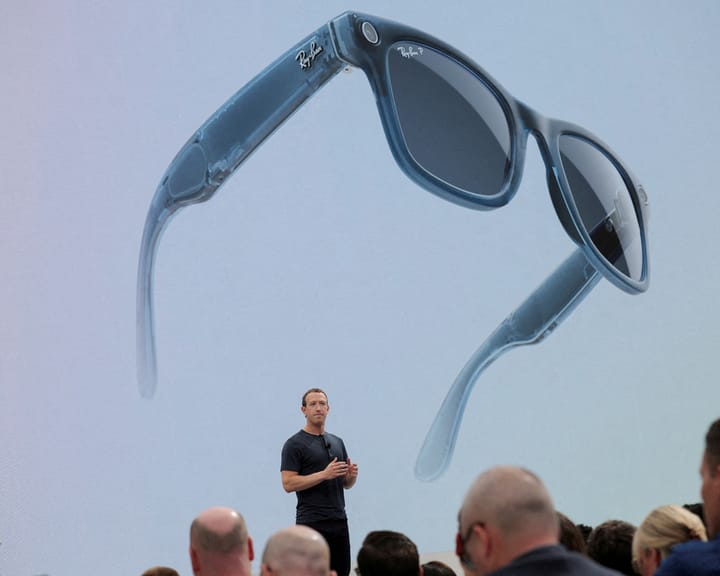
In January, the NYPD’s counterterrorism unit warned officers about a new security threat: Ray-Ban Meta glasses. A memo directed officers to “conduct thorough inspections of all eyewear permitted within inmate cells,” cautioning that recently arrested individuals could use the devices’ small cameras and microphones to record inside police

Google's Pixel 11 sets new standard for flagship phones, review finds
Google’s Pixel 11 continues to define what a base flagship phone should deliver, with leading cameras, extended software support and nearly all the features of its pricier siblings.
The standard Pixel 11 is priced at £879 (€999/$899/A$1,499), £80 higher than its previous version, reflecting ongoing
AI Expert Father of Three Shares Essential Insights for Parents on Artificial Intelligence
A father once promised his child they would write a story together called "The Day Nobody Went to Disneyland." The plot imagined a perfect day when the entire world avoided the park, expecting crowds, leaving it completely empty for a father and child to enjoy alone. Three decades