
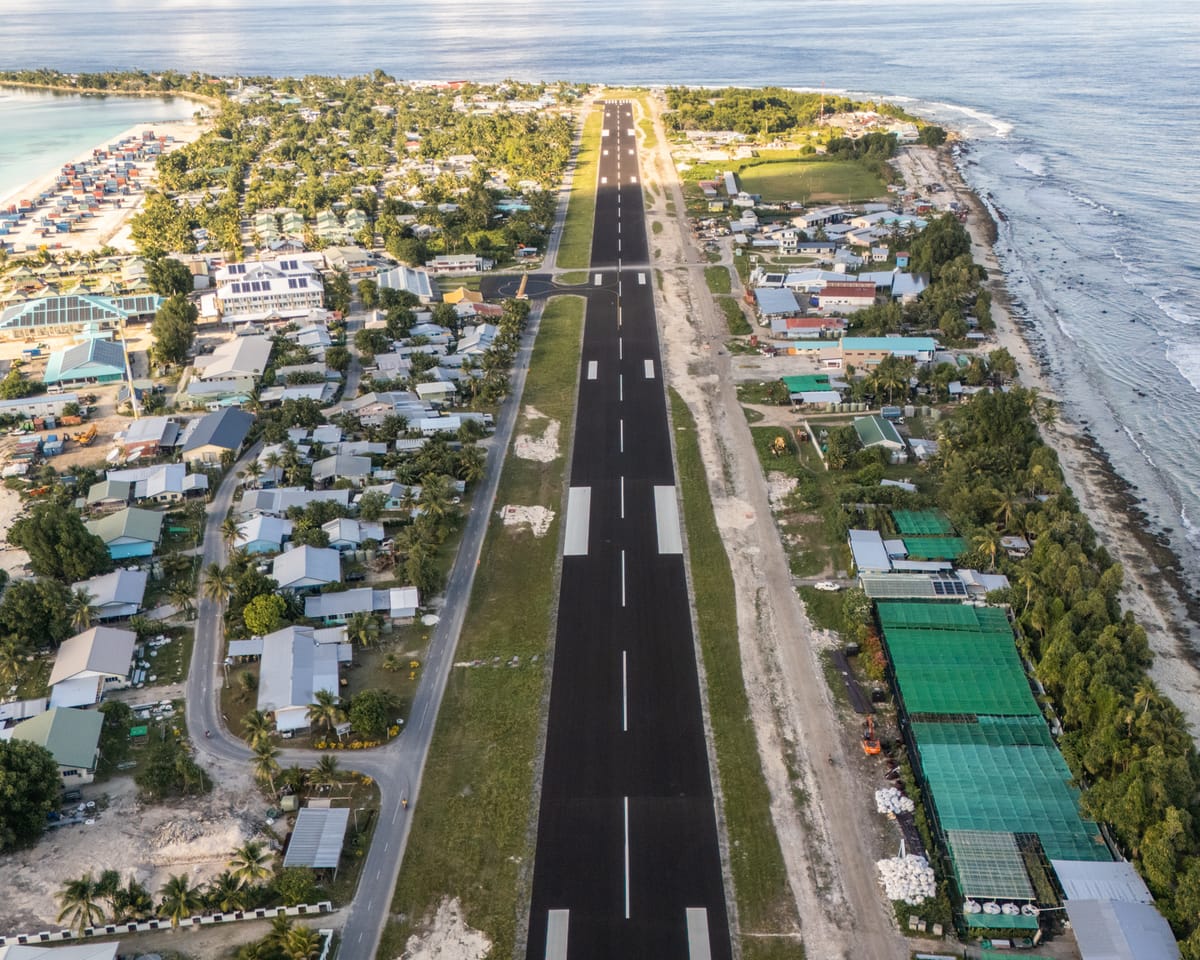
Climate and migration experts urge legal pathways for those displaced by environmental crises, as a new report examines the issue across the Pacific.
A study conducted by Amnesty International, released on Thursday, found that current immigration frameworks fail to meet the needs of Pacific Islanders seeking security as rising sea levels threaten their homes.
Amnesty has called on New Zealand—home to the largest Pacific Island diaspora—to reform its policies to establish a "rights-based approach to displacement linked to climate change."
"This would include introducing a specialized humanitarian visa," the report stated.
It also emphasized that providing safe alternatives, such as humanitarian visas, for those most affected by climate change is "part of nations' duties to safeguard people whose fundamental rights are at risk."
The report details how Tuvalu and Kiribati, where much of the land sits only 2 to 3 metres above sea level, face severe threats from rising waters, coastal erosion, and extreme weather. These conditions are already disrupting access to clean water, food, and secure shelter.
According to the World Meteorological Organization (WMO), at least 50,000 Pacific Islanders annually are at risk of displacement due to rising seas and severe weather. Over half of the region’s population lives within 500 metres of the coast, where sea levels are climbing faster than the global average, increasing pressure for climate-related relocation.
While some migration programs exist—primarily to New Zealand and Australia—that may assist those affected, experts say these options remain insufficient and leave certain groups without support.
"Pacific communities are already relocating, not as victims but as capable individuals seeking stability and opportunity," said Tupai Fotu Jackson, an expert on climate and labor mobility in New Zealand.
"What’s needed is a humanitarian visa option that views climate displacement not as a hopeless crisis, but as a challenge requiring thoughtful planning, respect, and cooperation."
Dr. Satyendra Prasad, Fiji’s former UN ambassador and a climate policy expert at the Carnegie Endowment for International Peace, suggested that New Zealand should establish a "clear route to permanent residency for Pacific Islanders working under labor migration agreements."
Prasad expressed hope that the report would "spark momentum in New Zealand to develop a visa category specifically for Pacific Islanders displaced by climate change."
The report stressed that any migration solutions should operate alongside, rather than replace, immediate climate mitigation and local adaptation efforts.
Data from the International Organisation for Migration shows about 320,000 people in the Pacific were displaced by environmental disasters between 2008 and 2017. NASA estimates indicate sea levels could rise by as much as 15cm.
Read next

Russian Assault on Buses Near Ukraine Border Results in 30 Deaths
Thirty people have been killed and eighteen injured following an attack by Russia on two passenger buses in Kramatorsk, near the frontline in eastern Ukraine, according to local authorities.
The Donetsk regional prosecutor's office reported that the death toll from the morning attack on the buses had reached

Ethiopia Conducts Drone Strike on Eritrean Forces in Tigray Region
Eritrean forces reportedly crossed into Ethiopia's Tigray region and faced drone attacks from Ethiopian government forces, raising concerns about the potential for a broader regional conflict between the two neighboring countries.
Military vehicles transporting soldiers crossed the southern border of Eritrea into Tigray on Wednesday, reaching Adigrat, approximately

Israel Advances Film Resembling NAZA Documentary
The Israeli government is promoting an online film project designed to counter the findings of the award-winning documentary NAZA, which details Israel’s mass killings of civilians in Gaza. NAZA, directed by Oscar-winning filmmakers Yuval Abraham and Rachel Szor, is currently in cinemas and will be shown in