
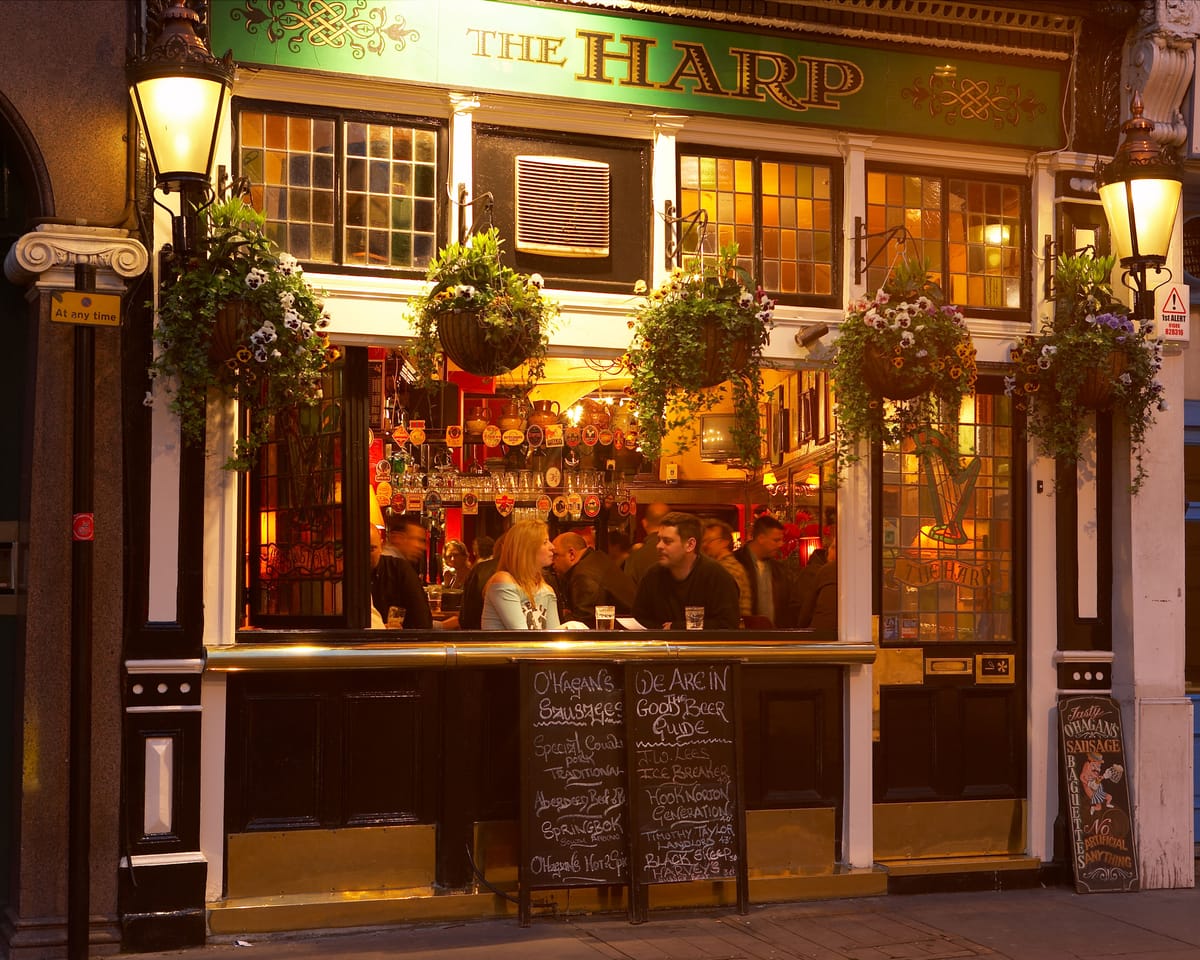
Pubs, clubs, and restaurants may be permitted to stay open later as part of efforts to stimulate economic activity, a decision that some argue could worsen alcohol-related disturbances.
Authorities are moving forward with proposals to let venues serving alcohol operate longer hours, aiming to support nightlife and businesses in the hospitality sector.
Keir Starmer is expected to endorse the initiative, which has been shaped by representatives from the hospitality and alcohol sectors and approved by financial officials.
However, opponents warn that loosening alcohol licensing rules in England and Wales may weaken local governments’ authority over operating hours, give significant influence to the drinks industry, and reduce the ability of residents impacted by late-night operations to raise concerns.
Health experts argue that the changes could lead to more alcohol-fueled incidents, increased violence, and additional deaths linked to excessive drinking. "This could result in alcohol being available around the clock with little restriction," said Dr. Katherine Severi, head of the Institute of Alcohol Studies.
Kate Nicholls, representing hospitality businesses, countered that modernizing licensing regulations would greatly benefit pubs, bars, and restaurants.
Nick Mackenzie, a major industry figure, supported this view, stating that current rules often hinder economic progress by imposing excessive limits on businesses.
Local councils and law enforcement officials worry that extended hours could increase noise, public disturbances, and antisocial behavior, affecting those living near late-night venues.
"These changes, made without sufficient consultation with police, health experts, or local authorities, could create significant problems," said Dr. Richard Piper of Alcohol Change UK.
"Many want safer streets with fewer disruptions, but these proposals, seemingly shaped by industry interests, would have the opposite effect."
He added that expanding late-night alcohol sales at convenience stores and gas stations would likely lead to more crime, including domestic violence, greater antisocial behavior, and additional pressure on emergency services.
The proposed changes involve revising the 2003 Licensing Act, which currently governs permissions for over 224,000 licensed venues.
Read next
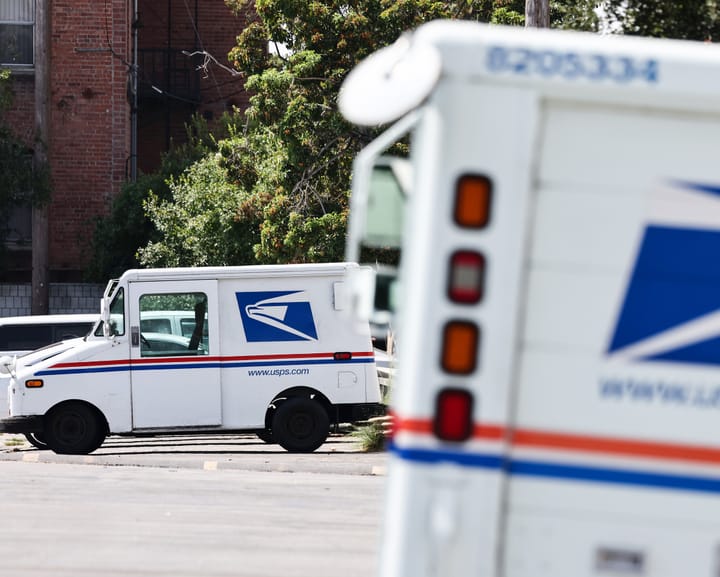
US Postal Service faces cash shortage by Feb 2027, agency chief warns
The United States Postal Service faces a cash shortfall within the next twelve months unless Congress removes the borrowing limit imposed on the agency, the postmaster general warned.
Speaking to the Associated Press, David Steiner said the service – which funds its operations through stamps and fees rather than tax revenue
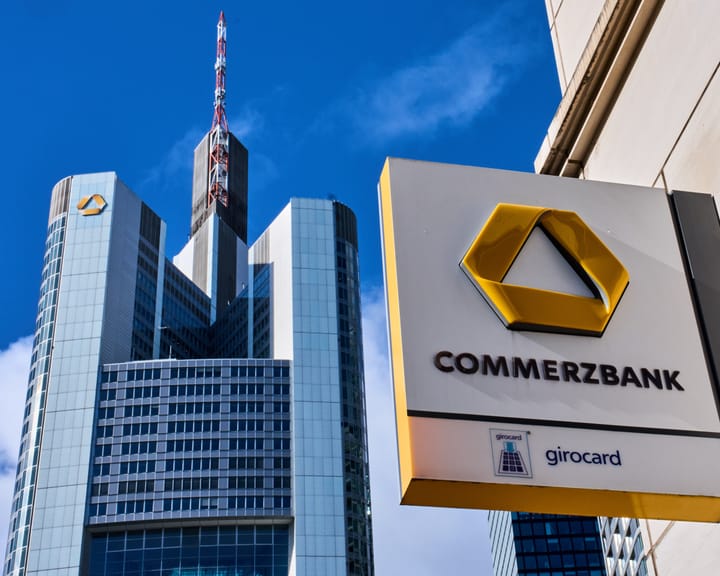
UniCredit launches aggressive bid for Commerzbank as European takeover war intensifies
Two major European banks have entered a €35 billion (£30 billion) takeover contest after Italy’s UniCredit intensified its long‑standing bid for German lender Commerzbank, despite firm resistance from the German government.
UniCredit initially acquired a 9 % stake in Commerzbank in September 2024 and has since increased its holding

IEA weighs tapping additional oil reserves amid Iran conflict driving up prices
The international energy regulator is weighing another release of emergency crude reserves into the world market to temper climbing oil prices, after cautioning that market recovery will be slow following the ongoing strait of Hormuz crisis.
Fatih Birol, chief of the International Energy Agency, noted that member nations still hold