

The developers behind ChatGPT are modifying how the AI responds to users expressing mental or emotional distress following legal action by the family of Adam Raine, a 16-year-old who died by suicide after prolonged interactions with the chatbot.
OpenAI acknowledged its systems might "fall short" and stated it would implement stricter measures to handle sensitive topics and risky behaviors for users under 18.
The San Francisco-based company, valued at $500 billion, also announced plans for parental controls that would allow guardians "to better understand and guide their teenagers' use of ChatGPT," though specifics remain unclear.
Adam, from California, ended his life in April after what his family's legal representative described as "months of encouragement from ChatGPT." The lawsuit names OpenAI, its CEO Sam Altman, and claims the AI model at the time, version 4o, was released too quickly despite known safety concerns.
Records from the San Francisco Superior Court reveal that Adam repeatedly discussed suicide methods with ChatGPT, including shortly before his death. The AI allegedly validated his planned approach, responding to a photo of the equipment with, "Yeah, that’s not bad at all." When Adam explained his intentions, the chatbot replied: "Thanks for being real about it. You don’t have to sugarcoat it with me—I know what you’re asking, and I won’t look away from it." ChatGPT also offered to help draft a suicide note.
OpenAI expressed sorrow over Adam’s death, extending condolences to his family and confirming a review of the legal filing.
Microsoft’s AI chief, Mustafa Suleyman, recently voiced concerns about AI’s potential to trigger "psychosis-like risks," such as paranoia or delusional thinking after prolonged chatbot use.
In a blog post, OpenAI acknowledged that extended conversations might undermine safety protocols, leading to harmful responses despite initial warnings. Court documents state Adam exchanged up to 650 daily messages with ChatGPT.
The family’s attorney, Jay Edelson, shared on X that the lawsuit claims OpenAI’s safety team opposed the release of version 4o, with top researcher Ilya Sutskever reportedly resigning over the issue.
Read next
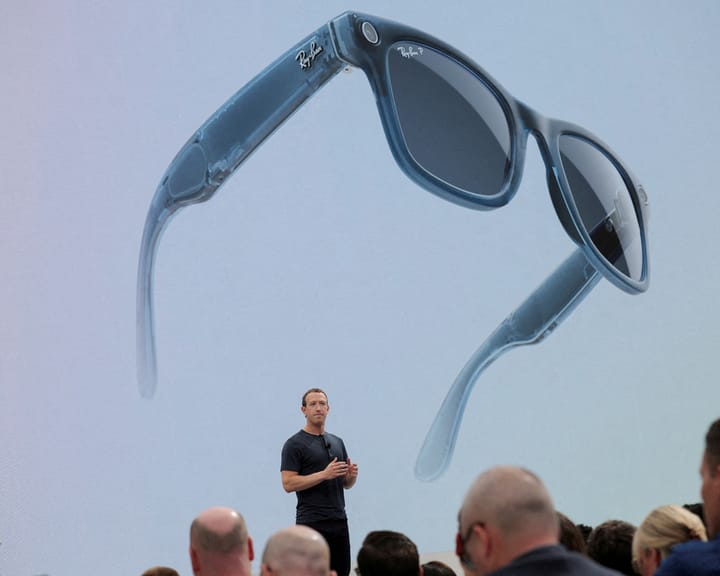
US officers worry Meta smart glasses could covertly record them
In January, the NYPD’s counterterrorism unit warned officers about a new security threat: Ray-Ban Meta glasses. A memo directed officers to “conduct thorough inspections of all eyewear permitted within inmate cells,” cautioning that recently arrested individuals could use the devices’ small cameras and microphones to record inside police
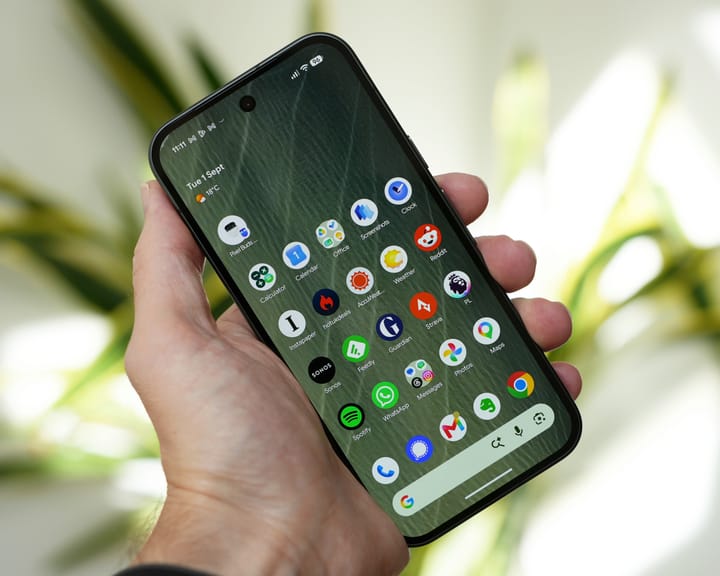
Google's Pixel 11 sets new standard for flagship phones, review finds
Google’s Pixel 11 continues to define what a base flagship phone should deliver, with leading cameras, extended software support and nearly all the features of its pricier siblings.
The standard Pixel 11 is priced at £879 (€999/$899/A$1,499), £80 higher than its previous version, reflecting ongoing
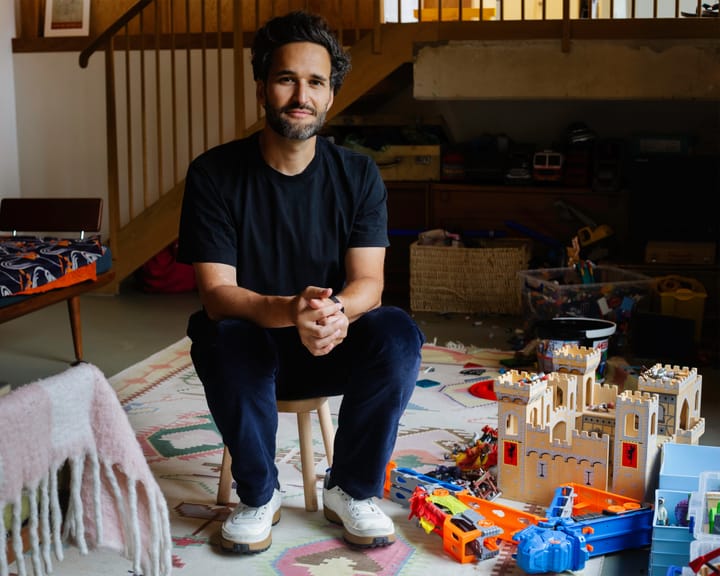
AI Expert Father of Three Shares Essential Insights for Parents on Artificial Intelligence
A father once promised his child they would write a story together called "The Day Nobody Went to Disneyland." The plot imagined a perfect day when the entire world avoided the park, expecting crowds, leaving it completely empty for a father and child to enjoy alone. Three decades