

Leading military, police, and political figures in Fiji have expressed concerns regarding forging agreements with nations like China that aim to enhance security measures and bolster policing capabilities. Critics argue that such partnerships could potentially jeopardize Fiji's sovereignty. An investigation by the Guardian revealed over a dozen significant engagements between Fiji and countries across the Asia-Pacific region, with most deals involving Australia, New Zealand, the US, and China. These pacts encompass aspects like policing and defence in recent years.
Fiji's military forces commander, Maj Gen Jone Kalouniwai, highlighted the growing necessity for greater security and policing collaboration among Pacific nations to tackle emerging challenges. He emphasized on "information sharing, joint training exercises, capacity building, and coordinated responses" as essential tools against escalating threats such as transnational crime, maritime insecurity, and cyber warfare.
However, Maj Gen Kalouniwai also urged the need to strike a balance between accepting external assistance and safeguarding Fiji's sovereignty. Similarly, Permanent Secretary for Home Affairs and Immigration, Mason Smith, refuted claims that Fiji must choose sides between China or its traditional partners, stating that as an independent nation, it would engage with countries based on national interests.
Tensions arose due to the 2011 policing agreement with China involving joint training exercises and embedding Chinese police in the Fijian force, which was later modified by the home affairs minister amid concerns over potential risks. Former police strike back commanding officer Tevita Ralulu questioned the wisdom of relying on international partners like China for policing work while maintaining ties with traditional allies such as Australia and New Zealand.
In light of increasing militarisation in the region, particularly driven by China's growing influence, Sandra Tarte from the University of the South Pacific emphasized Fiji's need to remain cautious about entering security alliances that could undermine its autonomy and potentially make it a target. In conclusion, while there is a consensus on the importance of collaboration in combating crime and enhancing security within the region, concerns over sovereignty and potential risks associated with international partnerships remain paramount.
Read next
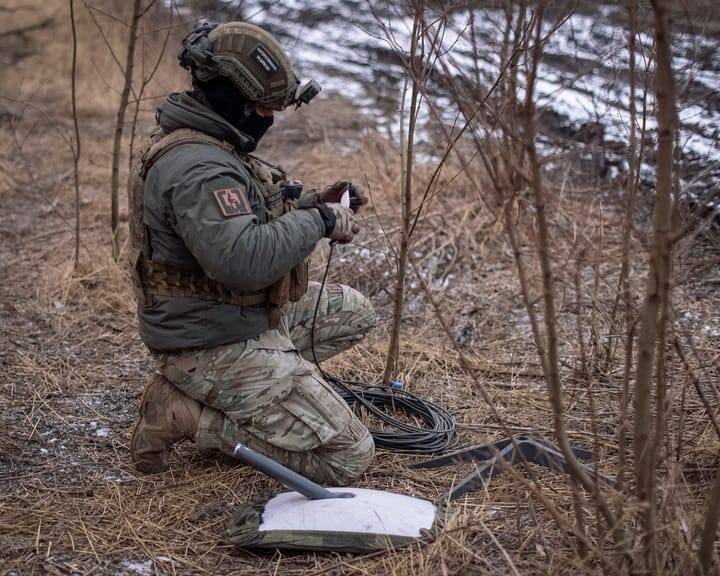
Ukrainian combat troops gain restricted access to Starlink satellite internet
Ukrainian soldiers experienced a sudden disruption in their access to Starlink satellite internet terminals amid increased pressure from the Trump administration for Ukraine to cease long-range attacks on Russia’s oil infrastructure. These terminals, managed by Elon Musk’s SpaceX, are vital for Ukraine's military operations. The

Russia's latest Ukraine attacks show 'disrespect' towards US, says Zelenskyy — Europe live
Sikorski Confronts Musk Over Starlink in Ukraine
Poland’s Foreign Minister Radosław Sikorski recently addressed Elon Musk on X, questioning reported restrictions on Starlink services in Ukraine. Poland contributes significantly to Ukraine’s funding of Starlink, which is crucial for maintaining internet connectivity in Kyiv and its military operations, with

"Breaking Stigma: Nikita Jager's Triumph in Civil Rape Case Against Conor McGregor"
Nikita Hand faced a challenging decision when considering a civil case against Conor McGregor following a 2018 assault. Despite her personal reservations about being an "imperfect victim" due to alcohol and drug use on the night of the incident, she chose to proceed. This decision stemmed from her