
A former Labour minister has joined a growing roster of specialists and senior MPs urging a prohibition on political contributions made in cryptocurrency, as worries about foreign meddling in UK elections intensify.
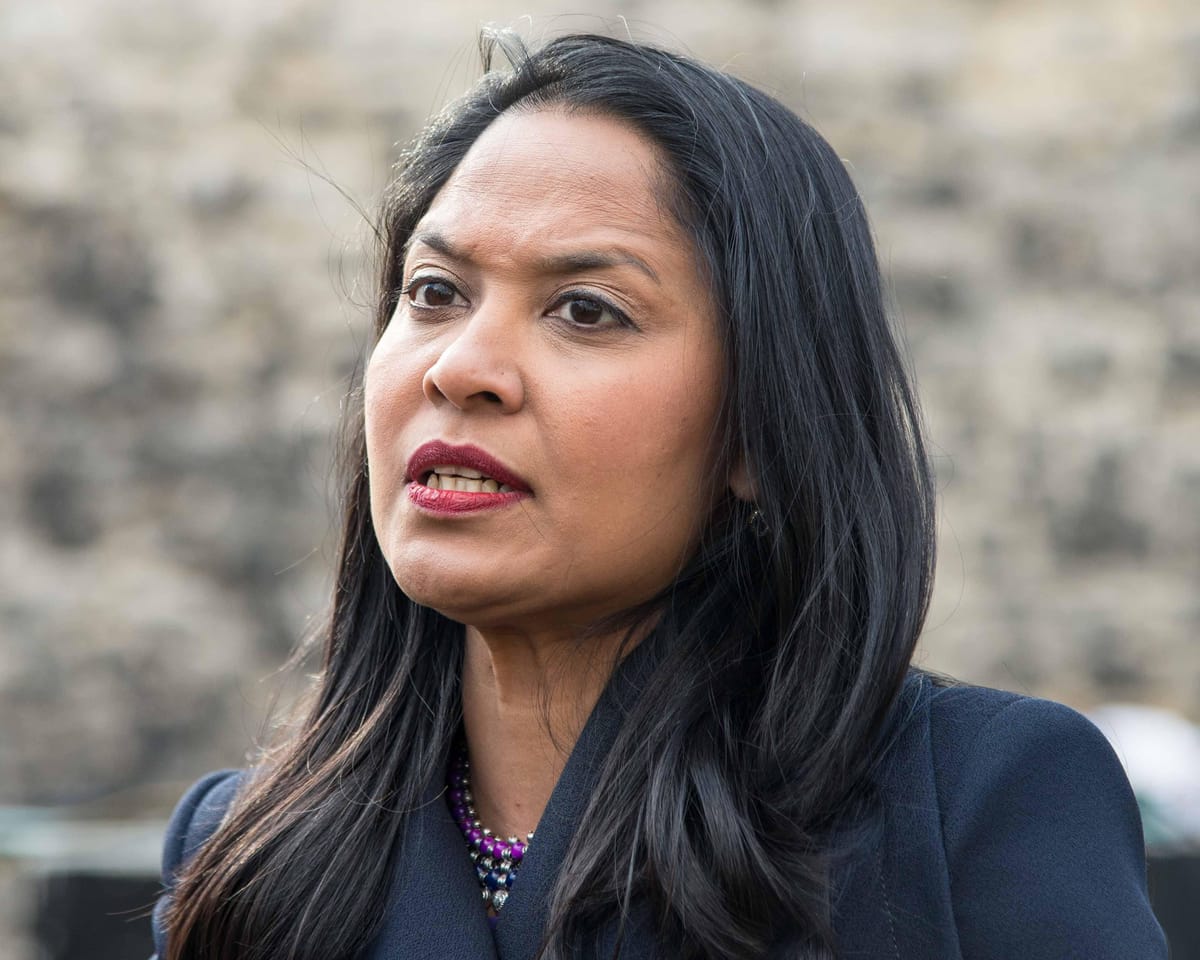
Rushanara Ali, the Labour MP who helped draft the elections bill while serving as a minister in the communities department, called for the government to reinforce the legislation with an outright ban on digital‑currency donations.
Ali intends to intervene when the bill returns to the Commons on Monday, noting that ministers have conceded the need for stronger measures to curb foreign interference in several respects.
“The foes of democracy are constantly seeking fresh routes to subvert our system,” Ali said. “I press ministers to go further and block the use of cryptocurrencies to channel money into British politics.
“Without prompt action, the danger of foreign interference in our democracy will expand. The government must insert an amendment to this bill to seal this loophole.”
She will address the House on Monday: “Cryptocurrency provides numerous ways to evade donation rules – for example, by employing multiple crypto wallets with distinct addresses, splitting large gifts into smaller sums through crowdfunding to avoid reporting thresholds, and offering anonymity via privacy‑coins.
“Ireland, Brazil and several US states already prohibit cryptocurrency donations.”
Cryptocurrency is a form of digital money that enables senders to conceal their identity, raising concerns that overseas actors could exploit it to bypass UK rules that bar foreign donations.
Philip Rycroft, a former senior civil servant, is heading a review of the government’s policies on illicit foreign money in British politics, but the inquiry was not completed in time for its findings to be incorporated into the elections bill.
Ali left government last year after it emerged she evicted four tenants from a property she owned and then re‑let it weeks later at a £700‑higher rent.
Since then, anxiety over foreign interference in UK politics has risen, not least after the conviction of Nathan Gill, the former Reform UK leader in Wales, who was sentenced to more than a decade in prison after admitting to taking bribes for pro‑Russia interviews and speeches.
Reform became the first UK party to accept cryptocurrency contributions last year. The party has created its own crypto portal for donations, stating they will undergo “enhanced” scrutiny.
In January, seven Labour MPs who chair parliamentary committees – including the chairs of the foreign, defence and international security committees – urged the government to ban crypto donations.
The watchdog group Spotlight on Corruption has warned that hostile states such as Russia are using cryptocurrency to undermine democracies worldwide.
Government sources say ministers are also examining additional steps to prevent foreign nations from exploiting social media to influence the political process.
Read next
Badenoch returns to Conservative conference, markedly stronger than a year ago
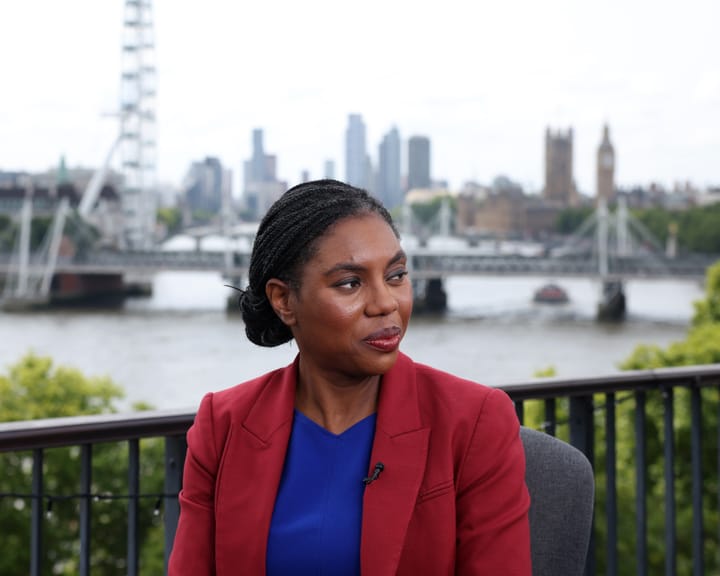
A year ago, Tory MPs feared a fresh leadership revolt against Kemi Badenoch as Tories hit historic 14-16% support; November, after 12 months, was hushed: decisive challenge month. Yet, despite poor polls, “Keminisation” saw her impose style and authority.
More in Common’s Luke Tryl, director, said Badenoch holds

UK sanctions plan on illegal Israeli settlements faces criticism from US, Israel and British MPs
Today, with the agreement of Prime Minister Netanyahu, Israeli officials announced a series of countermeasures in response to new sanctions declared by the British foreign secretary of the Labour government, following a sequence of anti-Israel decisions by the same administration.
The accusations leveled today by the Labour foreign secretary,
UK announces trade ban on Israeli settlements as tougher stance
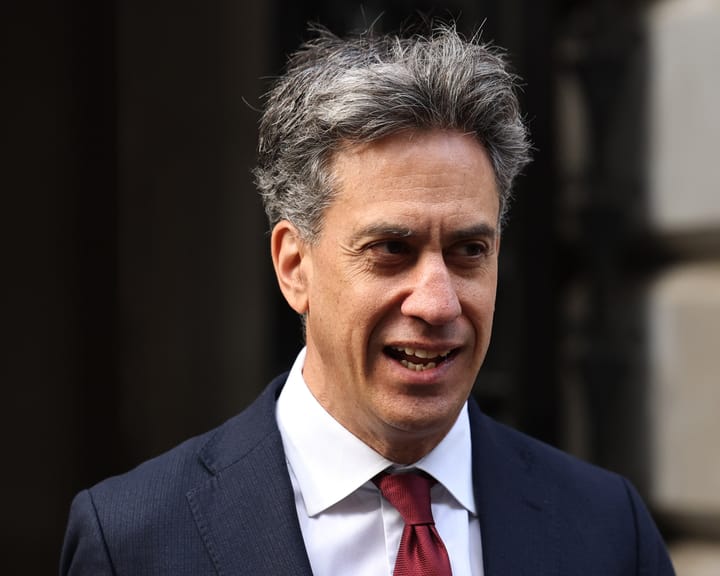
Ed Miliband will announce a broad reset of the UK’s relations with Israel on Tuesday, pledging a more active stance in support of the Palestinian cause. In an intervention drawing fierce criticism from the US and Israel, the foreign secretary will impose a ban on trade in goods and