
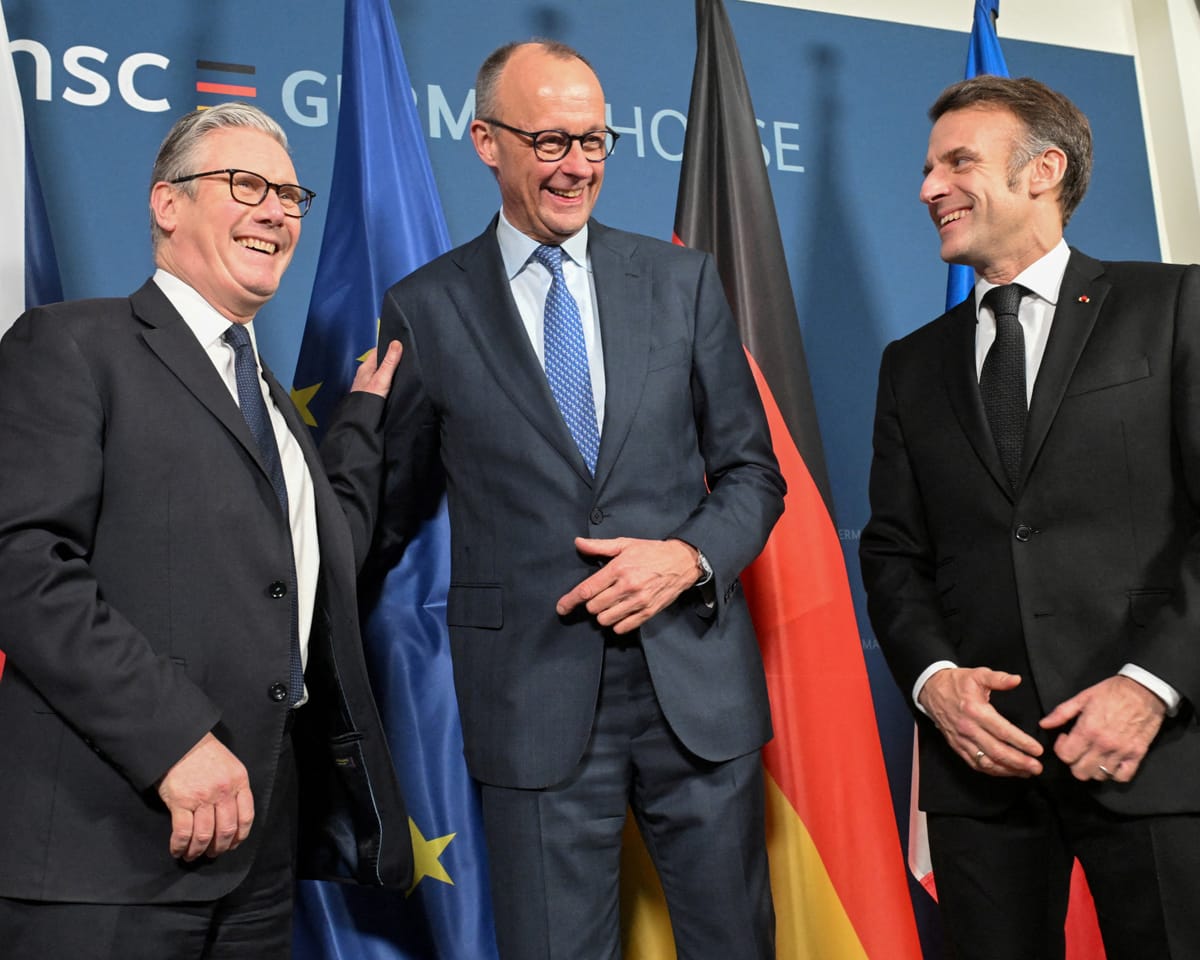
European leaders have called on Iran to pursue a “negotiated solution” as they work to halt the escalation of conflict involving the United States, Israel and Iran through diplomatic channels. They also stressed that they were not involved in the recent strikes.
In an uncommon joint communiqué, the heads of France, Germany and the United Kingdom urged the Iranian authorities to let their citizens decide their own destiny and denounced Tehran’s retaliatory attacks on U.S. military installations in the area.
The statement issued by President Emmanuel Macron of France, Chancellor Friedrich Merz of Germany and Prime Minister Keir Starmer of Britain declared: “France, Germany and the United Kingdom have consistently pressed the Iranian regime to end its nuclear programme, curb its ballistic‑missile development, refrain from destabilising actions in the region and on our own soil, and halt the brutal violence and repression inflicted on its own population.
“We did not take part in these strikes, but we are in close contact with our international partners, including the United States, Israel and regional allies.”
The three leaders reaffirmed their dedication to regional stability and the protection of civilians.
“We condemn Iranian attacks on neighbouring states in the strongest terms. Iran must stop indiscriminate military actions. We call on its leadership to seek a negotiated settlement. Ultimately, the Iranian people must be permitted to shape their own future,” the communiqué read.
The EU said it is pursuing “diplomatic routes” with Arab states and urged all sides to exercise “maximum restraint” to safeguard civilians and uphold international law.
European Commission President Ursula von der Leyen described the situation in Iran on Saturday morning as “deeply troubling” and noted that the EU was in “close contact” with diplomatic partners in the region.
“We reiterate our firm commitment to protecting regional security and stability. Ensuring nuclear safety and preventing any steps that could heighten tensions or weaken the global non‑proliferation regime is of paramount importance,” she said.
She assured EU citizens in the vicinity that they could rely on the Union’s “full support”.
The EU’s Aspides naval operation remains on high alert in the Red Sea and “stands ready to help keep the maritime corridor open,” she added.
Macron urged an urgent meeting of the UN Security Council, warning that the conflict carries “serious consequences” for international peace and security.
“The present escalation endangers everyone. It must cease. The Iranian regime must recognise that it now has no alternative but to engage in sincere negotiations to end its nuclear and ballistic‑missile programmes and its destabilising conduct in the region,” Macron wrote on X.
In Britain, Starmer chaired a session of the government’s Cobra emergency committee to consider the United Kingdom’s response to the attacks.
A government spokesperson said the UK stands ready to protect its interests and cooperate with allies.
Read next
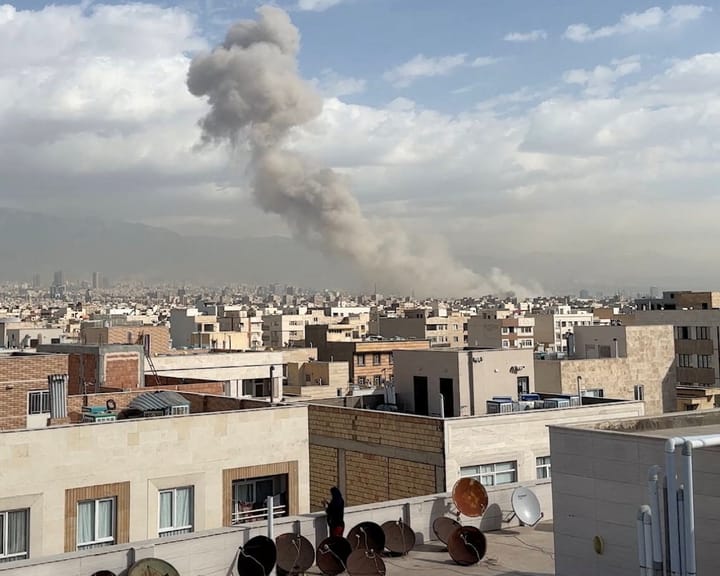
Infographic of US‑Israeli attacks on Iran and Tehran’s retaliation
The United States and Israel have declared the launch of an unprecedented joint operation against Iran, beginning with an extensive bombing campaign intended to bring about regime change.
Israeli aircraft and American missiles hit hundreds of sites throughout Iran, prompting residents to flee major cities in panic. Among the targets
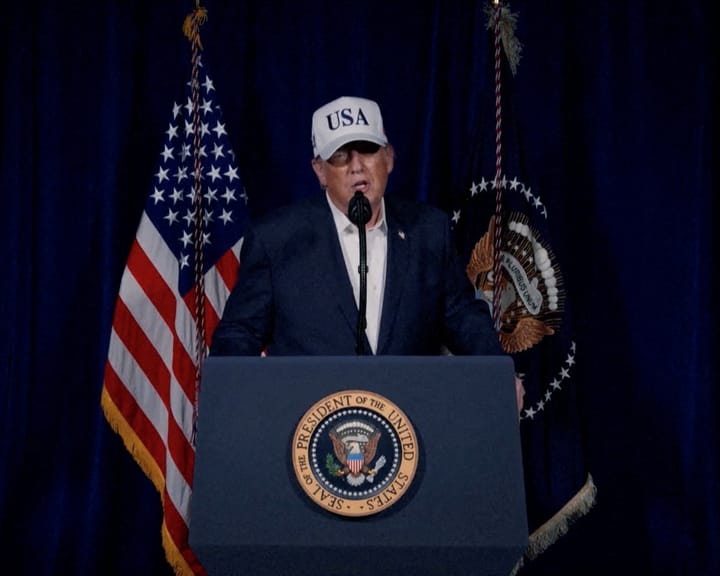
US lawmakers denounce Trump’s Iran strikes as unauthorized acts of war by Congress
Donald Trump’s inability to persuade the American public of the need to strike Iran, followed by an operation that proceeded without informing Congress’s principal national‑security advisers – the “gang of eight” – has sparked intense domestic criticism of the military action against the Islamic Republic on Saturday.
Despite the
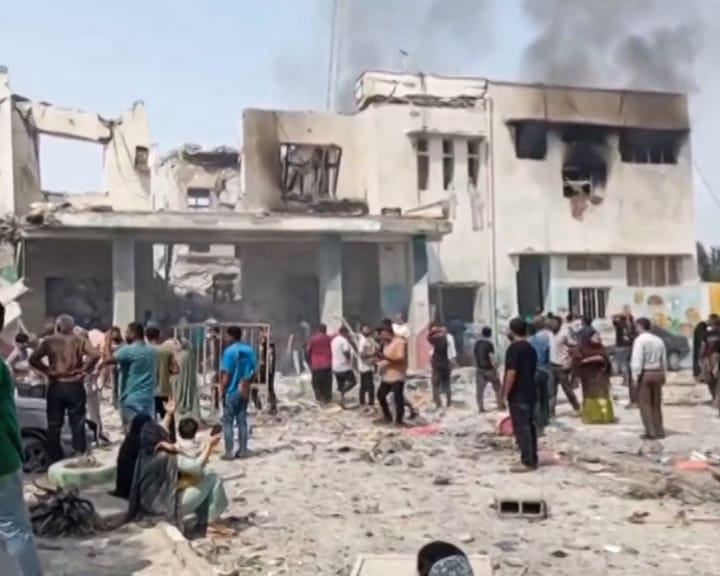
Missile strike on a southern Iran school kills at least 80 children.
Iran’s parents had just dropped their children off for class on Saturday morning when they found themselves racing back to school gates, as bombs began to fall across the country in a joint US‑Israel attack.
At one elementary school, according to Iran’s state‑controlled media, they arrived