
Sweden has had governments run by various political alliances since the 1970s. Similarly, Germany has experienced multiple single-party governments post-World War II but not since 1961. In Italy, coalition ruling has been commonplace for decades. Meanwhile, The Netherlands last saw a government led by one party in the late 19th century.
In contrast to these countries' histories of diverse political leadership, France faces a unique challenge post-snap election: a parliament composed of multiple parties without a clear majority, each holding differing policy agendas. Representatives from both left and right factions have voiced their opposition to forming coalitions between the dominant groups.
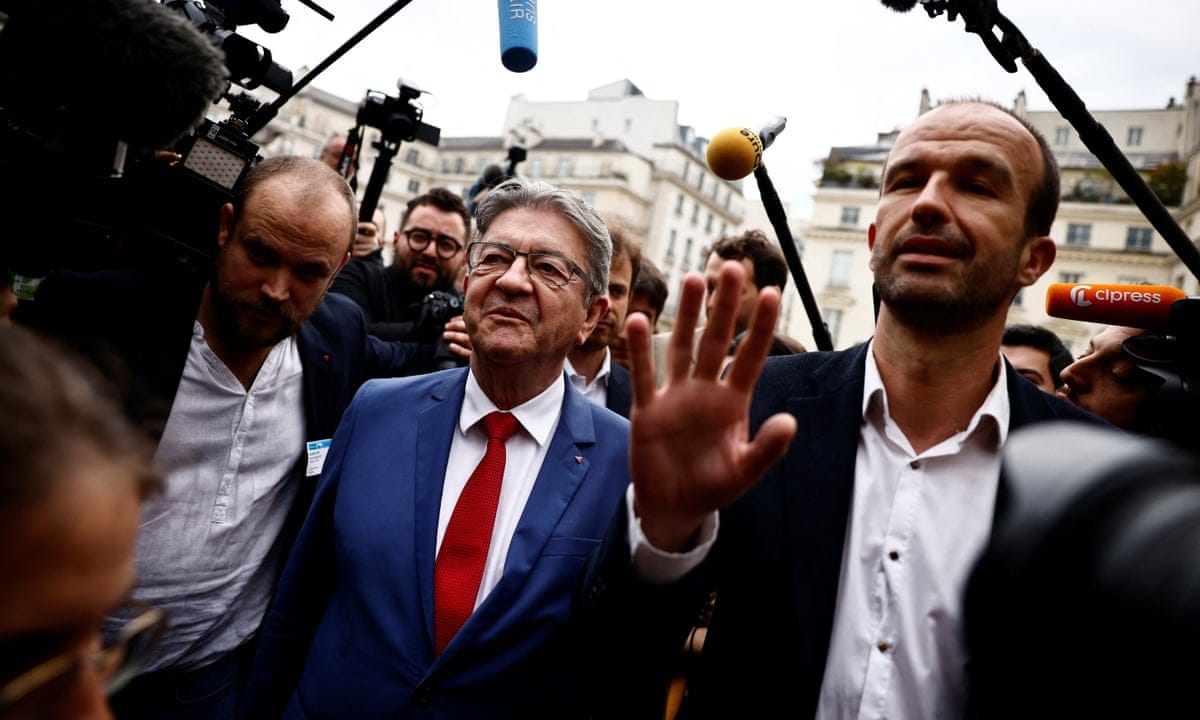
The Left Front (France Unbowed), led by Manuel Bompard, has made it explicit that they will not partake in any government unless it is solely composed of their party or alliance. Mathilde Panot from France Unbowed emphasized an unequivocal stance on forming a government based exclusively on their platform without partnering with centrists or right-leaning parties.
In the most recent parliamentary election, The Left Front won 182 seats, while Emmanuel Macron's liberal coalition (Together) secured 168 and far-right National Rally (RN), led by Marine Le Pen, obtained 143. No single group achieved the necessary majority of 289 seats to govern independently.
Amidst these circumstances, some political figures express reservations about forming alliances that may result in an unnatural or fragmented government structure. Laurent Wauquiez from center-right party Les Républicains has rejected such possibilities, stating their refusal to collaborate on a potential coalition involving France Unbowed.
Macron's Together alliance acknowledges the possibility of diverse coalitions for governance but firmly rejects an agreement with The Left Front or any government including it due to conflicting ideologies and objectives, as expressed by Benjamin Haddad from Together.
This situation has presented a challenge in understanding France's political climate among Europeans used to more traditional coalition-building strategies. With the election producing an evenly divided parliament, there is apprehension about crafting a government that maintains stability and reflects voters' preferences for longer than just a few weeks.
The French electoral system has historically not required coalitions to form governments due to its strong tendency towards single-party majorities in most elections. Such an approach was adopted as a reaction to the political instability of France’s previous Fourth Republic. In this context, The Left Front and their allies have traditionally negotiated pre-election agreements to maximize chances of winning seats but maintain individual party autonomy once elected.
This preference for independence over coalition building may persist in the wake of recent electoral outcomes, as noted by Isabelle Guinaudeau from France's National Centre for Scientific Research (CNRS). She suggests that French political parties are unaccustomed to compromise and negotitations.
The current parliamentary composition underlines the urgency for a different approach: either party officials will need to adapt by forming coalitions, or France risks experiencing frequent government collapses due to non-confidence motions, potentially leading to an institutional crisis.
Read next

Ukrainian combat troops gain restricted access to Starlink satellite internet
Ukrainian soldiers experienced a sudden disruption in their access to Starlink satellite internet terminals amid increased pressure from the Trump administration for Ukraine to cease long-range attacks on Russia’s oil infrastructure. These terminals, managed by Elon Musk’s SpaceX, are vital for Ukraine's military operations. The

Russia's latest Ukraine attacks show 'disrespect' towards US, says Zelenskyy — Europe live
Sikorski Confronts Musk Over Starlink in Ukraine
Poland’s Foreign Minister Radosław Sikorski recently addressed Elon Musk on X, questioning reported restrictions on Starlink services in Ukraine. Poland contributes significantly to Ukraine’s funding of Starlink, which is crucial for maintaining internet connectivity in Kyiv and its military operations, with
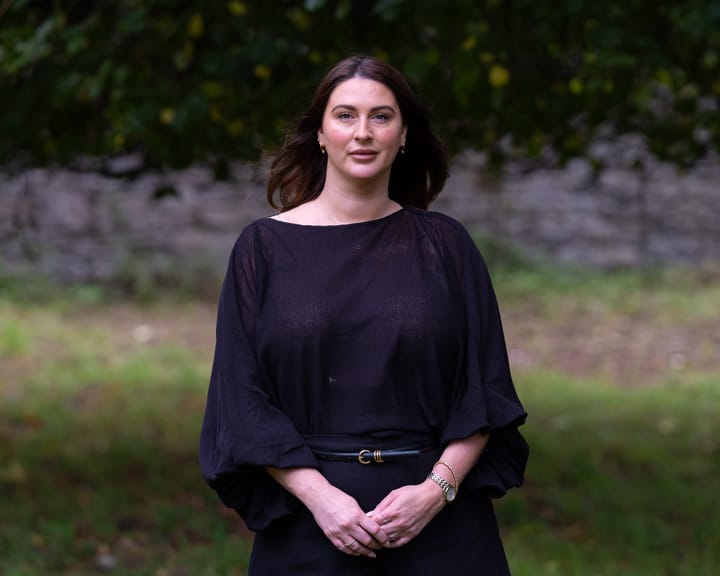
"Breaking Stigma: Nikita Jager's Triumph in Civil Rape Case Against Conor McGregor"
Nikita Hand faced a challenging decision when considering a civil case against Conor McGregor following a 2018 assault. Despite her personal reservations about being an "imperfect victim" due to alcohol and drug use on the night of the incident, she chose to proceed. This decision stemmed from her