
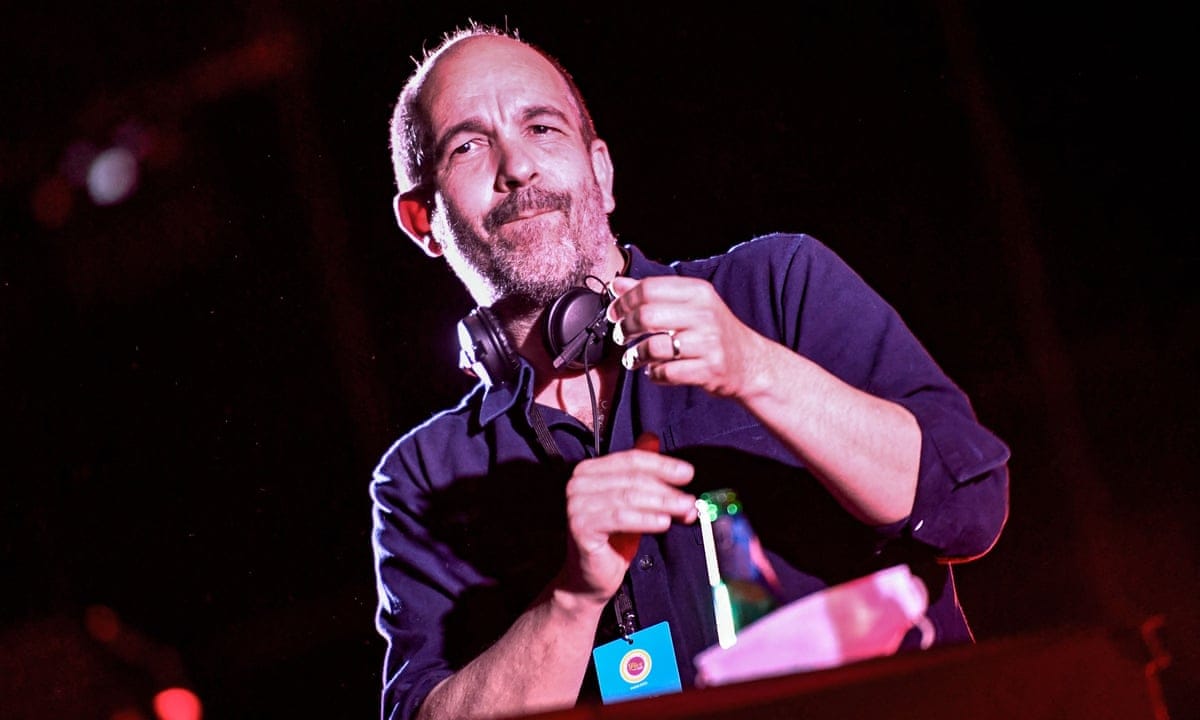
More than 1,200 artists, DJs, and event organizers representing the French music community have come together with the aim of leveraging their collective influence to foster political engagement among "the world of the night" and to voice dissent against the potential establishment of France's first far-right government since World War II.
In a move to raise awarenes and encourage action, members of an assembly named Front Électronique (FE) have initiated live debates on Twitch, hosted free concert events, and released an anthem titled "Siamo Tutti Antifascisti Vol.1" (We are all Anti-Fascists), which features performances by 38 artists. The project has been framed as a call for collective action against the resurgence of far-right ideologies, notably represented by the National Rally party led by Marine le Pen – an emerging political force in France's recent elections.
On Wednesday night at Place de la République in Paris, FE affiliates including music producer and artist Étienne de Crécy and singer-songwriter Voyou performed for a significant crowd, while guest speakers such as the former Brazilian footballer Raí addressed themes of resistance against far-right governments.
Lucas Langlais, an organizer with Unfair Music Records and FE member, emphasized that the electronic music scene has historically been a haven for inclusivity but acknowledged it had fallen silent in recent times: "Our culture can no longer be passive. It's time to protect our identities and those we hold dear."
While many prominent figures within French electronic music have expressed concerns privately about the rise of far-right politics, a collective call for active participation has emerged with artists like Voyou advocating that their influence in political matters should not be understated.
Reports from musicians Le Kaiju and Sujigashira of Grand Remplacement Records suggest a growing sense of apprehension within the community due to an increase in discriminatory incidents, including derogatory remarks toward individuals based on their background or beliefs.
Marion Maréchal, niece of National Rally leader Marine Le Pen, has proposed cutbacks for cultural institutions' funding as part of her political agenda – a point that organizers like Langlais counter by arguing the party only supports initiatives tied to national heritage.
In an election landscape where young voters could sway outcomes, there is renewed concern about policies affecting artists and creative professionals within cultural sectors; for example, propositions to abolish certain income support measures have been highlighted as problematic by figures like Melanin DJ Myriam Konté.
The article concludes with a nod to France's rich history of music-influenced political activism, referencing iconic protest anthems such as Jacques Dutronc’s “Il est Cinq Heures, Paris s’éveille” and Bérurier Noir's "Porcherie," which have been reinvigorated through social media platforms like TikTok during recent political events.
Read next

Ukrainian combat troops gain restricted access to Starlink satellite internet
Ukrainian soldiers experienced a sudden disruption in their access to Starlink satellite internet terminals amid increased pressure from the Trump administration for Ukraine to cease long-range attacks on Russia’s oil infrastructure. These terminals, managed by Elon Musk’s SpaceX, are vital for Ukraine's military operations. The

Russia's latest Ukraine attacks show 'disrespect' towards US, says Zelenskyy — Europe live
Sikorski Confronts Musk Over Starlink in Ukraine
Poland’s Foreign Minister Radosław Sikorski recently addressed Elon Musk on X, questioning reported restrictions on Starlink services in Ukraine. Poland contributes significantly to Ukraine’s funding of Starlink, which is crucial for maintaining internet connectivity in Kyiv and its military operations, with
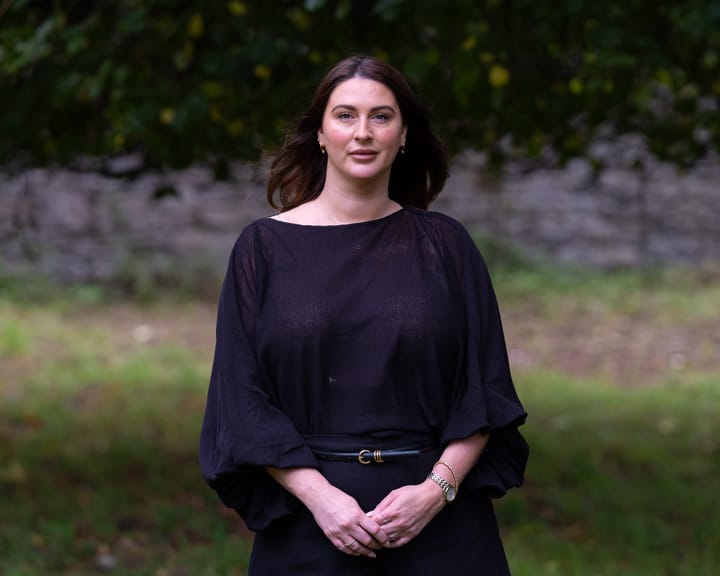
"Breaking Stigma: Nikita Jager's Triumph in Civil Rape Case Against Conor McGregor"
Nikita Hand faced a challenging decision when considering a civil case against Conor McGregor following a 2018 assault. Despite her personal reservations about being an "imperfect victim" due to alcohol and drug use on the night of the incident, she chose to proceed. This decision stemmed from her