
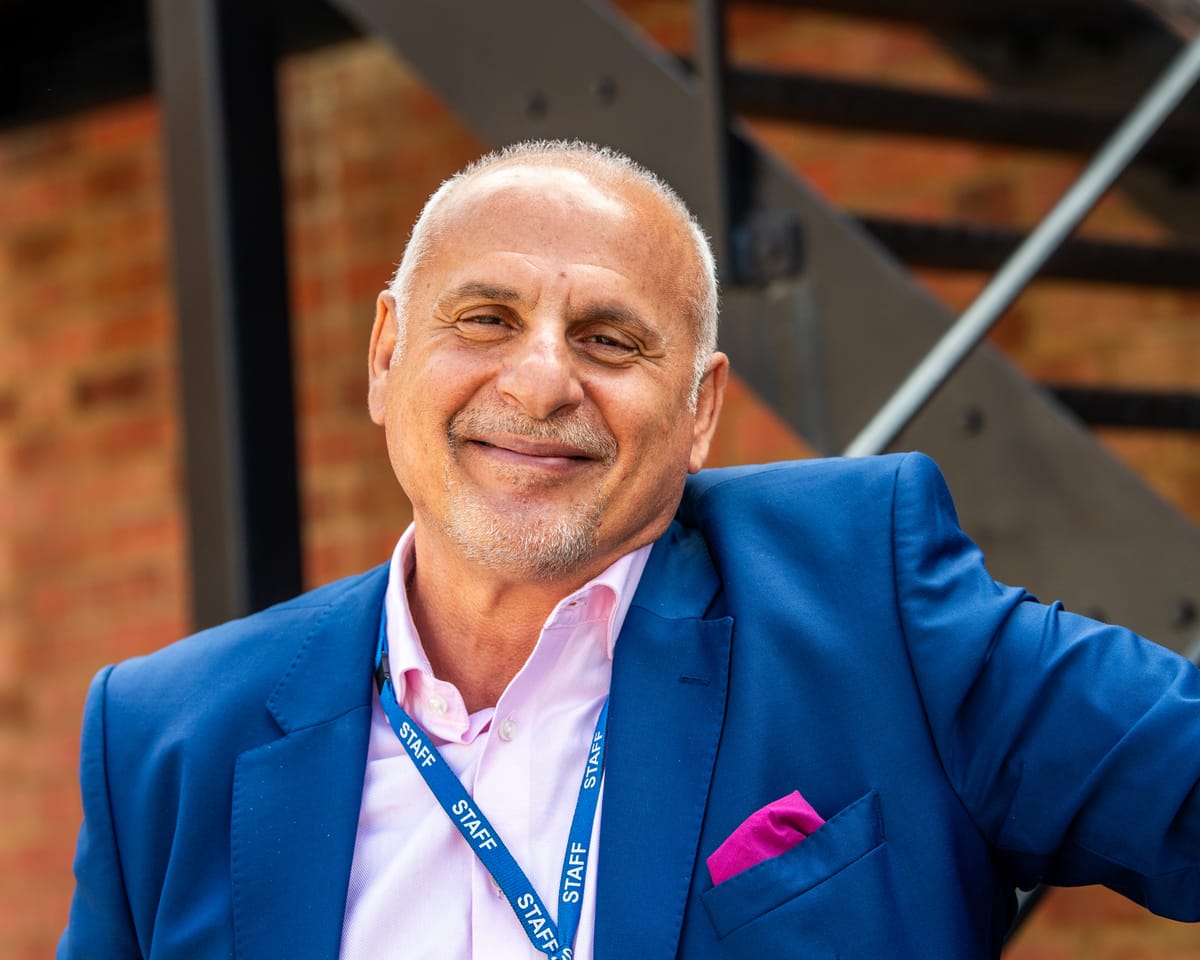
Former Addict Finds Purpose Helping Others in Recovery
For 24 years, Andy Kalli struggled with an addiction to crack cocaine. He lost touch with his family and sold his belongings—even his father’s gold ring—to support his habit. But three years ago, at 61, he began working at a rehabilitation center. Now, he says, “I save lives. I make a difference.” The thank-you cards covering his office wall reflect that.
Kalli serves as service manager at the Perry Clayman Project in Luton, Bedfordshire, and often tells clients not to apologize. “How many times have I said sorry?” he says. “Don’t say it. Your families have heard it too often.” Real change, he believes, is the best way to make amends.
Growing up in north London and later in Bognor on England’s southern coast, Kalli’s Greek-Cypriot parents ran a café and later restaurants. As a child, he was sexually abused by a family friend, a trauma he buried but which shaped his future relationships.
“Many people I work with started using drugs or alcohol at 12,” he says. “That wasn’t my path, but my childhood was unstable.”
At 16, he trained as a chef and moved to London, working at the Savoy hotel—the first of many hospitality jobs he took while dreaming of becoming a footballer. “Life was scattered, a bit all over the place,” he admits.
By 18, he was married, and by 23, he had three children and a thriving restaurant business with his father. “Fancy cars, a nice home, always chasing more.”
Though not a heavy drinker or drug user, Kalli played semi-professional football and dabbled in various ventures, including ice-cream bikes and an ice-sculpture business. A nightclub plan collapsed, costing him £50,000.
At 29, after that loss, a friend introduced him to cocaine. “That first line made me feel invincible,” he says. He began using more, then turned to casinos to recoup losses—only to lose £100,000 in a week.
Kalli lived a double life for years, working by day and using crack at night. “I was running, unable to stop,” he recalls. Yet financially, he thrived. “Everything I touched seemed to succeed.”
In 2013, while working as a business consultant in the U.S., his daughter Helen was diagnosed with a brain tumor. He returned to the U.K. but, consumed by his addiction, missed hospital visits and even brought his 10-year-old grandson to a drug deal.
When Helen died in 2014, “I wanted to die too,” he says. “I tried.”
Though his first marriage had ended years earlier (he’s since had two more), six months after Helen’s death, Kalli sought help at a hospital in the West Midlands. Put on suicide watch for two weeks, he began his recovery journey.
Read next
Let Your Mind Roam, Skip Retirement, and Quit Fretting: Unexpected Strategies to Shield Your Brain from Cognitive Decline
How can thinking about brain change rather than cognitive decline alter the way we think and remember?
Dr Norman Swan: There are three things you need to know which are not widely known.
Think cognitive change not cognitive decline: one way people think about our cognitive function is by comparing
Panic Attack on Public Transport Unveiled a Shocking Secret That Transformed My Life
In 2000, the writer had been living in London for just over a decade and working at EMI Records for five years. Having moved to Brixton from Surrey in the late 1980s, they noticed a growing sense of anxiety and claustrophobia, particularly on public transport.
The situation worsened, leading to
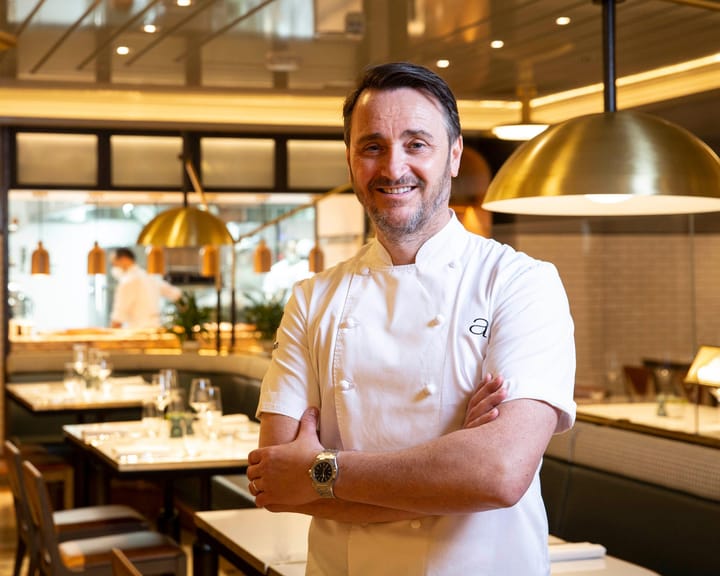
Michelin Chef Opens Overseas Eateries to Counter UK Tax Pressures
A British Michelin‑starred chef says he is opening restaurants abroad to help subsidise his UK venues amid high taxes and a troubled hospitality sector.
Jason Atherton is currently in Forte dei Marmi on the Tuscan coast, where he is readying his newest venture, Maria’s, located in the Principessa