
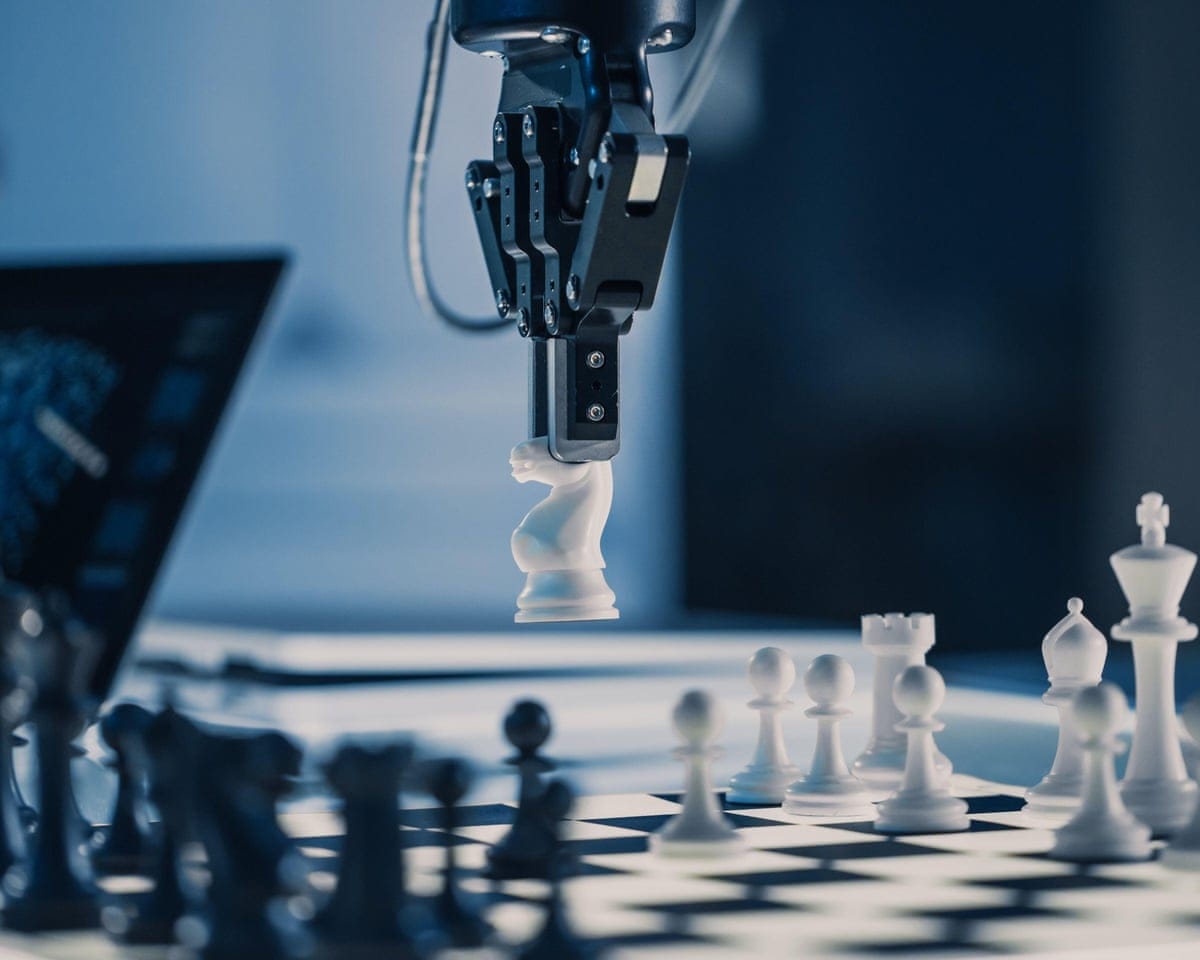
If Adam Dorr’s predictions hold, robots and advanced artificial intelligence will dominate the global economy within a generation, rendering most human labor obsolete. Dorr, a social scientist and futurist, presents a stark vision of a technological shift that he believes will replace nearly all human jobs within two decades.
Leading a team of researchers, Dorr has studied patterns of technological change throughout history and concluded that the current wave will not just disrupt but erase traditional employment by 2045. He draws parallels with past transformations—the displacement of horse-drawn carriages by automobiles, gas lamps by electricity, and film cameras by digital technology. “Technology has a new target—human labor itself,” he states.
According to Dorr, machines will soon match or exceed human performance in almost every field, at a fraction of the cost. “Costs and capabilities are improving steadily. When you can get better results for less, switching is inevitable. We’re the horses, we’re the film cameras in this scenario,” he says.
Dorr, 48, holds a PhD in public affairs from the University of California, Los Angeles, and serves as research director at RethinkX, a U.S.-based nonprofit examining technological disruption. The organization was co-founded by James Arbib and Tony Seba, entrepreneurs and investors in the tech sector.
During a recent visit to Ireland, Dorr spoke with *CuriosityNews* while attending the Dargan Forum, a two-day conference in Dún Laoghaire focused on digital and environmental transitions. His message was a mix of warning and optimism: while AI-driven humanoid robots may displace workers across industries, proper management of this revolution could lead to unprecedented prosperity. However, mishandling it risks deepening inequality and strengthening oligarchic control.
Dorr insists the shift will happen faster than expected. “We’ve analyzed over 1,500 technological transformations in history. The patterns are consistent—once a new technology gains even a small foothold, it dominates within 15 to 20 years.”
He warns that intelligent machines, already here, will soon make human labor redundant. “Their capabilities grow daily with no limit. The upheaval is inevitable, and we’re unprepared.”
Some industries may see a transitional phase where humans and machines collaborate, much like the brief era when chess champions competed alongside computers.
Read next
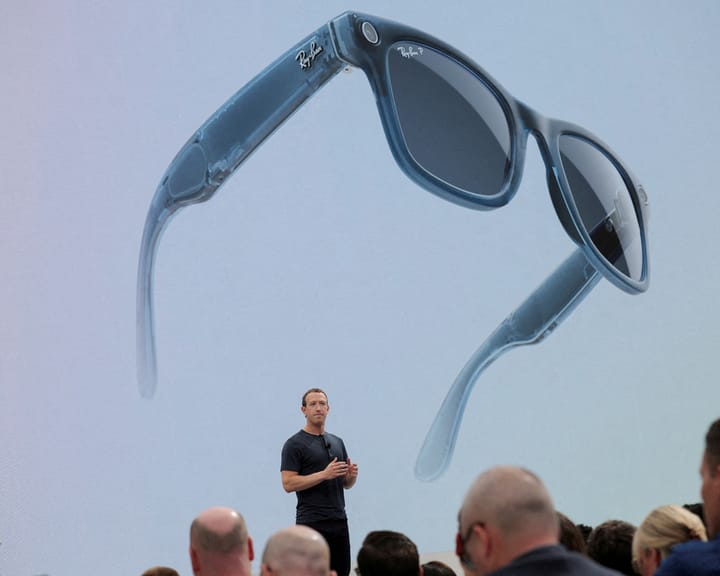
US officers worry Meta smart glasses could covertly record them
In January, the NYPD’s counterterrorism unit warned officers about a new security threat: Ray-Ban Meta glasses. A memo directed officers to “conduct thorough inspections of all eyewear permitted within inmate cells,” cautioning that recently arrested individuals could use the devices’ small cameras and microphones to record inside police

Google's Pixel 11 sets new standard for flagship phones, review finds
Google’s Pixel 11 continues to define what a base flagship phone should deliver, with leading cameras, extended software support and nearly all the features of its pricier siblings.
The standard Pixel 11 is priced at £879 (€999/$899/A$1,499), £80 higher than its previous version, reflecting ongoing
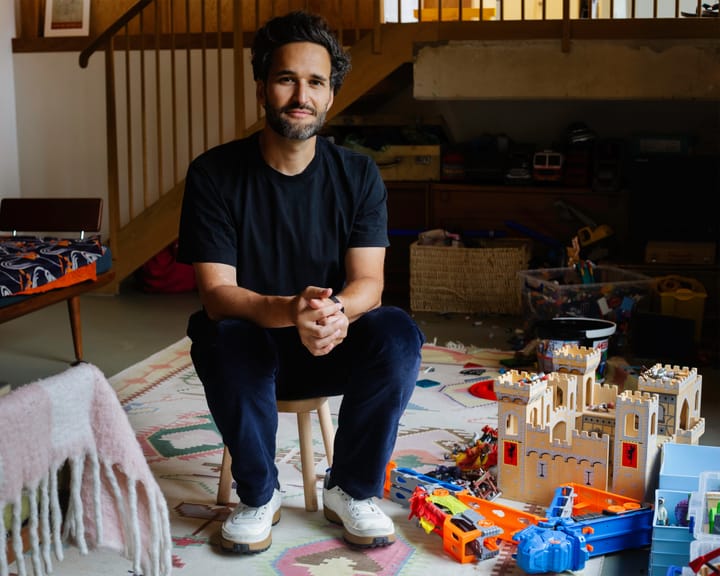
AI Expert Father of Three Shares Essential Insights for Parents on Artificial Intelligence
A father once promised his child they would write a story together called "The Day Nobody Went to Disneyland." The plot imagined a perfect day when the entire world avoided the park, expecting crowds, leaving it completely empty for a father and child to enjoy alone. Three decades