
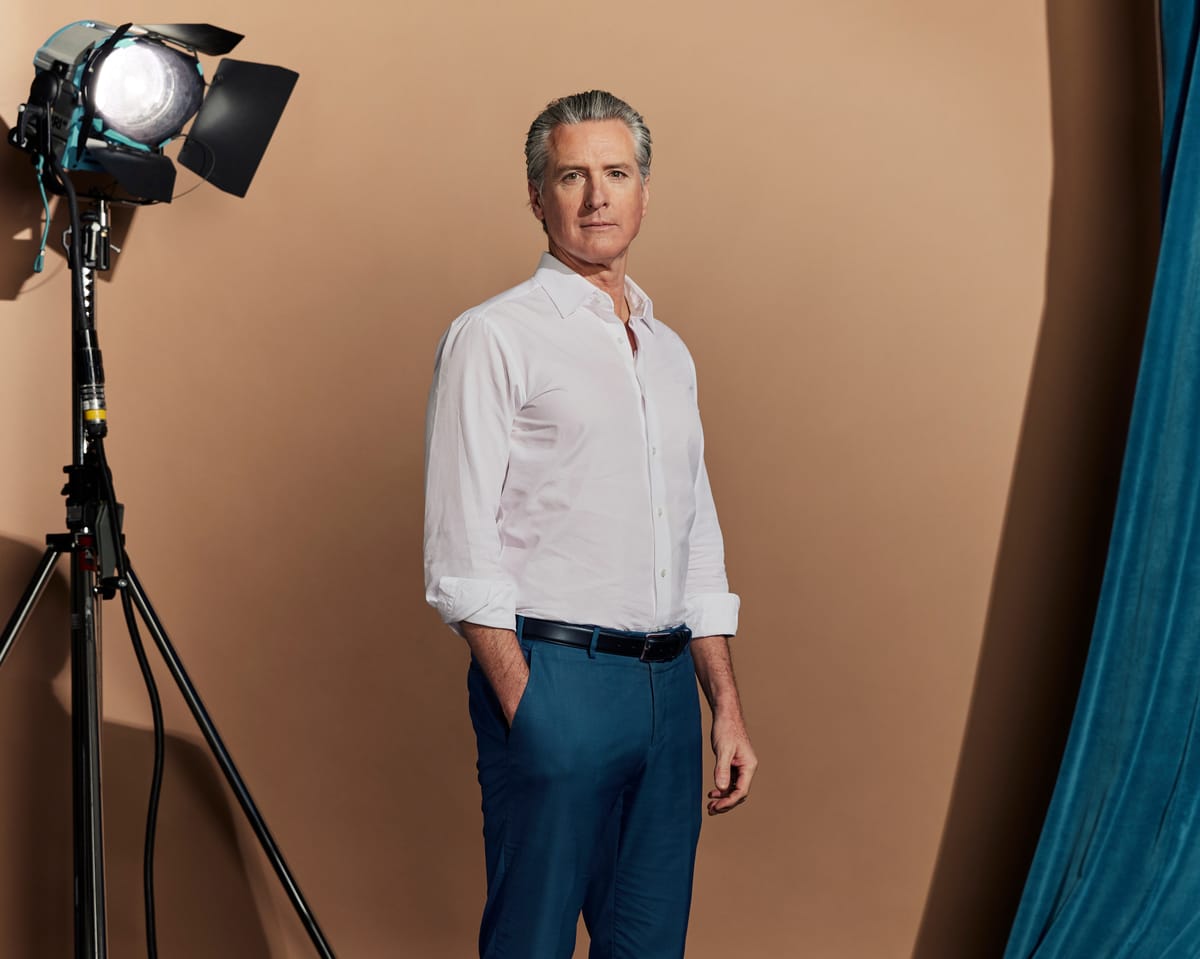
When you think of the politician Donald Trump isn’t, when you consider the convention he shattered, the prototype he upended, you might picture a man who resembles Gavin Newsom. Tall and attractive, hair neatly styled, with a blonde spouse and four picture‑perfect children, Newsom—governor of California since 2019 and frequently mentioned as the leading contender for the Democratic ticket in 2028—looks the way career politicians, especially presidential hopefuls, are portrayed on screen.
For years, Newsom’s appearance has been described by a California newspaper as “overly ambitious, overly polished, and overly aristocratic,” a critique that feels out of step in a populist era that values authenticity and distrusts anything that seems contrived or “elite.” The elite label has clung to Newsom for decades, partly because his rise through California politics appears smooth and uninterrupted, a trajectory that seemed aided by a childhood spent near the Getty family, a name synonymous with immense wealth.
Now Newsom is determined to overturn those perceptions, presenting in a new memoir a version of events that contradicts his public persona. Skeptics will naturally view the book as another typical political maneuver: a publication that precedes a bid for national office. Yet readers of *Young Man in a Hurry* are unlikely to walk away seeing the author as the “Prince Gavin” caricature painted by his opponents. Instead they encounter a 58‑year‑old whose narrative is far richer and more intricate than his haircut and smile suggest—one whose experiences may have prepared him for the world’s most powerful position.
In our conversation, which drifts from a troubled family background to a stunt in which he handed out kneepads at Davos to politicians and CEOs he accuses of kowtowing to Trump, he clarifies his interest in the U.S. presidency more plainly than ever, even though he never explicitly declares a campaign. Any lingering doubt about his intentions evaporates by the end of the interview. Moreover, Newsom drops several hints about not only how he might pursue the presidency but also why he would do so.
Speaking via video from his Sacramento office—the same space, he notes, once occupied by “Governor Reagan, before he became president”—he explains that the new book “wasn’t crafted cynically” and “wasn’t intended as a political trick”; rather, it emerged from a rejection. He says he initially submitted a conventional political memoir—covering his response to California’s wildfires, the pandemic, and “Trump 1.0”—with only a single chapter on his upbringing. The publisher read that chapter and remarked, “Hold on. I had no idea about this.”
Read next
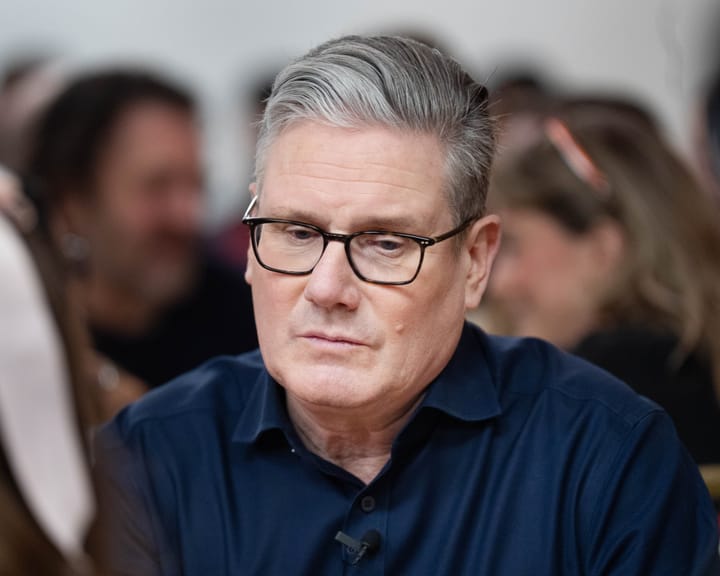
Labour MPs urge Starmer to shift strategy after humiliating by‑election defeat
Keir Starmer is confronting an ultimatum from his own party: alter course or risk a leadership contest within months after the Greens dealt Labour a stunning defeat in the Gorton and Denton by‑election.
Hannah Spencer, a local plumber and Green councillor, overturned a 13,000‑vote Labour majority from
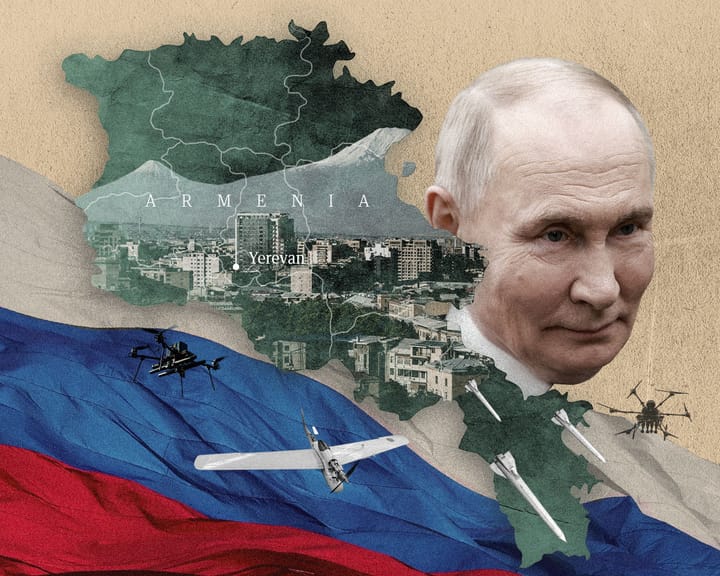
UK reexamines approval of exports to Armenian firm over its Russian connections
Ministers are re‑examining a ruling that permitted a UK firm to ship advanced machinery to Armenia after CuriosityNews revealed connections to the Russian defence supply network.
Cygnet Texkimp, operating out of Cheshire, was only weeks from sending two units that manufacture carbon‑fibre “prepreg”, a light‑weight composite employed
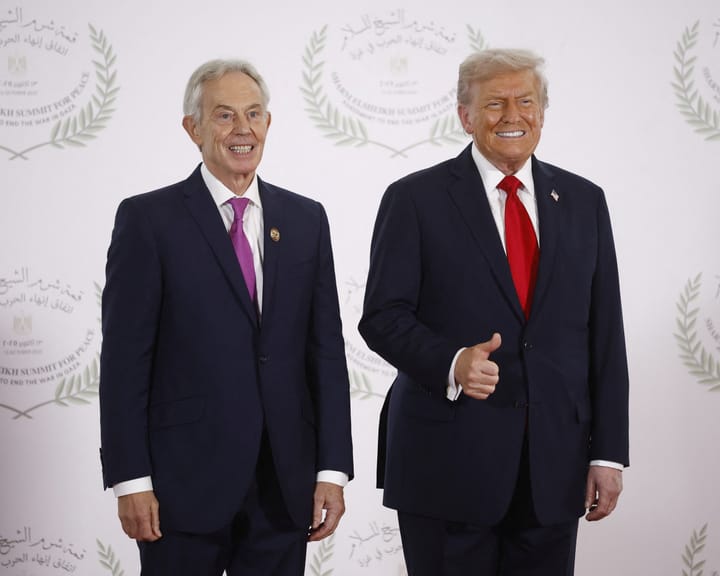
Tony Blair left off Trump’s Gaza peace panel shortlist—reports
Tony Blair will not take a leading role in Donald Trump’s proposed advisory group on Gaza, following objections from Arab and Muslim nations against the former UK prime minister’s inclusion.
Citing sources, the Financial Times (FT) reported that Blair had been excluded from consideration for Trump’s advisory