
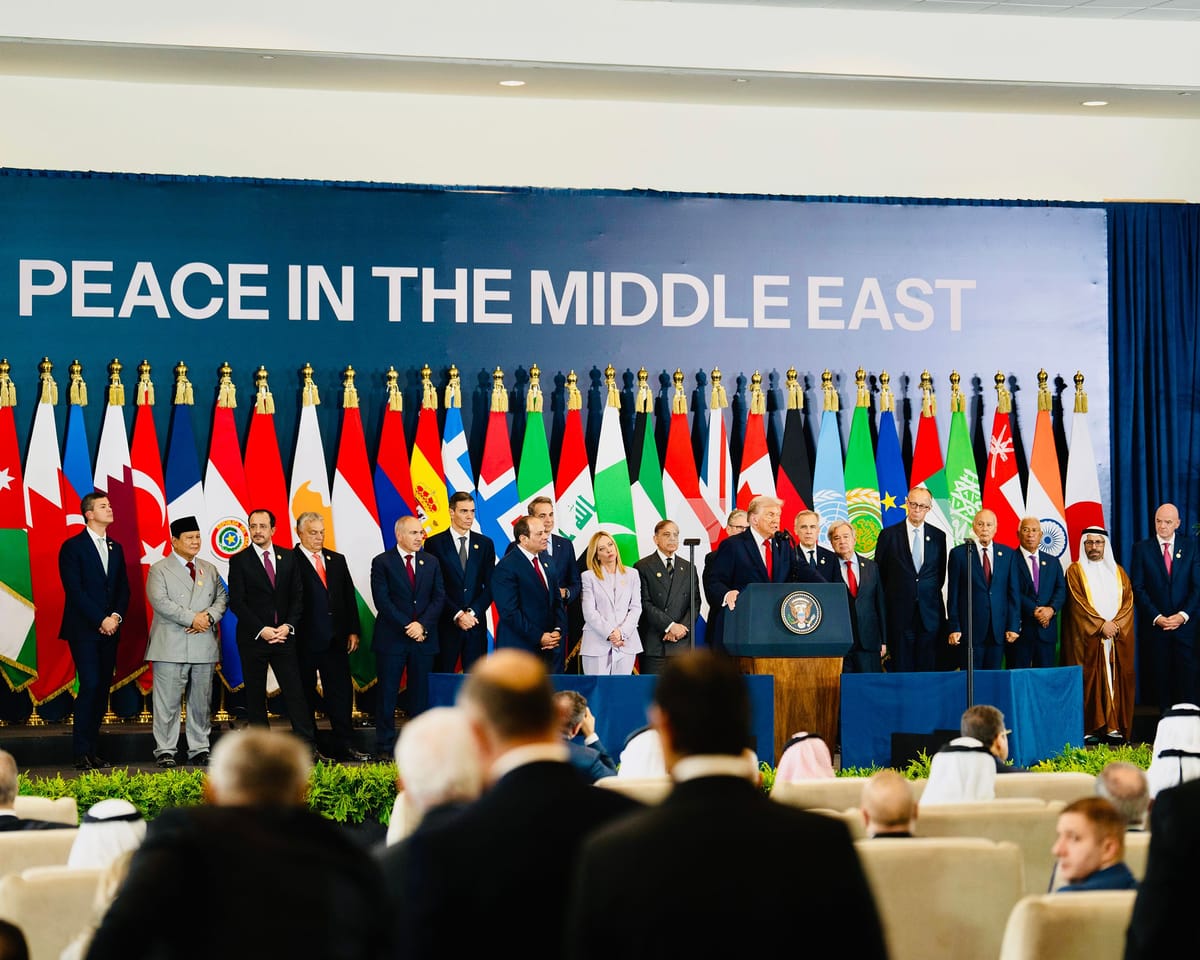
If the conflict in Gaza had far-reaching consequences across the Middle East, reshaping long-standing assumptions, altering the geopolitical landscape, and causing significant shifts in public sentiment, any lasting resolution could bring equally profound changes.
Some urge restraint.
“It’s been fewer than 10 days, and there have already been multiple breaches of the ceasefire by both Israel and Hamas. After such violence and devastation, progress will take time,” said Mkhaimar Abusada, a political science professor at Gaza’s Al-Azhar University, currently in Cairo.
Yet how the conflict concluded has already influenced regional politics.
Earlier this year, opposition to a contentious proposal for Gaza brought regional powers together in an unprecedented way. This dynamic has intensified. The swift enforcement of a new diplomatic effort is pushing longstanding rivals to cooperate under considerable pressure, despite years of competition across the region.
Securing agreement on the first stage of the plan required pressure from the US on Israel, as well as Qatar and Turkey exerting influence over Hamas.
Qatar has gained favor, as has Recep Tayyip Erdoğan, Turkey’s long-serving leader, whom a high-ranking US official recently described as both determined and a key partner. This marks a shift in perception, as it was not always the case, and contrasts with the stance of another regional leader, who was formally a co-host at the same meeting.
However, there have been other notable changes. Turkey, Egypt, and possibly Jordan are now considered the most probable candidates to contribute troops to a proposed international force for Gaza. For Turkey and Egypt, this presents both opportunities and risks, and both will likely avoid major confrontations, at least initially.
Attentive observers noted additional signals from the meeting that hinted at deeper transformations.
Among attendees was Iraq’s prime minister, who faces a challenging reelection bid in weeks. His public alignment with key figures involved in the diplomatic effort—including a former international leader selected for a role in a proposed administrative body for Gaza—could draw scrutiny across the region and beyond.
Iraq has been aligned with Iran since the 2003 war, but this might be starting to shift, according to an analyst specializing in Iraqi affairs.
“Iraq appears to be moving toward greater alignment with Arab states, which would be a significant development,” the analyst said, adding that Baghdad might even consider sending forces to the planned stabilization effort in Gaza.
Read next
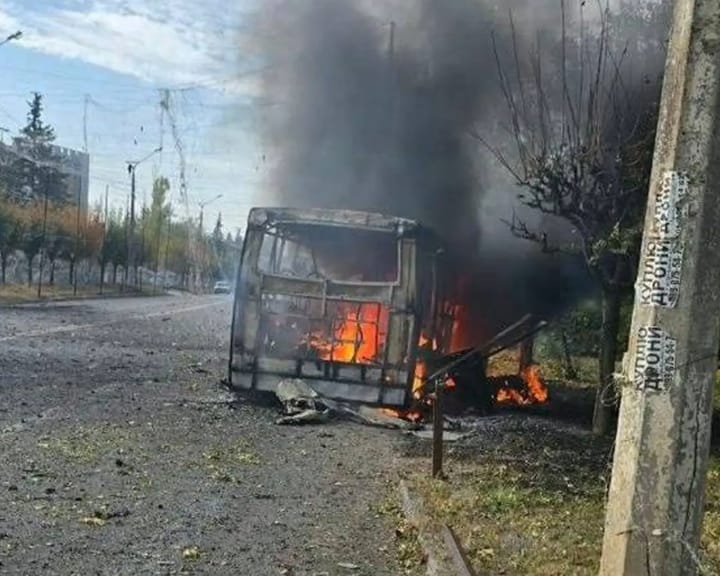
Russian Assault on Buses Near Ukraine Border Results in 30 Deaths
Thirty people have been killed and eighteen injured following an attack by Russia on two passenger buses in Kramatorsk, near the frontline in eastern Ukraine, according to local authorities.
The Donetsk regional prosecutor's office reported that the death toll from the morning attack on the buses had reached
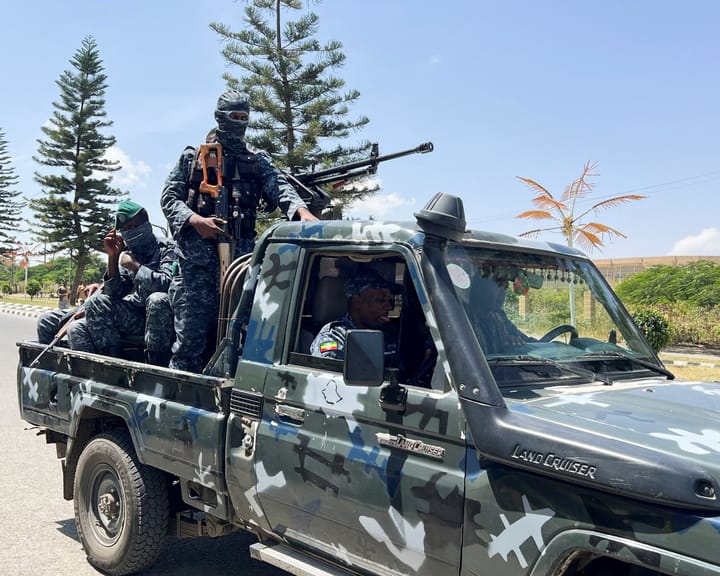
Ethiopia Conducts Drone Strike on Eritrean Forces in Tigray Region
Eritrean forces reportedly crossed into Ethiopia's Tigray region and faced drone attacks from Ethiopian government forces, raising concerns about the potential for a broader regional conflict between the two neighboring countries.
Military vehicles transporting soldiers crossed the southern border of Eritrea into Tigray on Wednesday, reaching Adigrat, approximately

Israel Advances Film Resembling NAZA Documentary
The Israeli government is promoting an online film project designed to counter the findings of the award-winning documentary NAZA, which details Israel’s mass killings of civilians in Gaza. NAZA, directed by Oscar-winning filmmakers Yuval Abraham and Rachel Szor, is currently in cinemas and will be shown in