
### Gaza Residents Return to a Shattered Hometown Amid Ceasefire
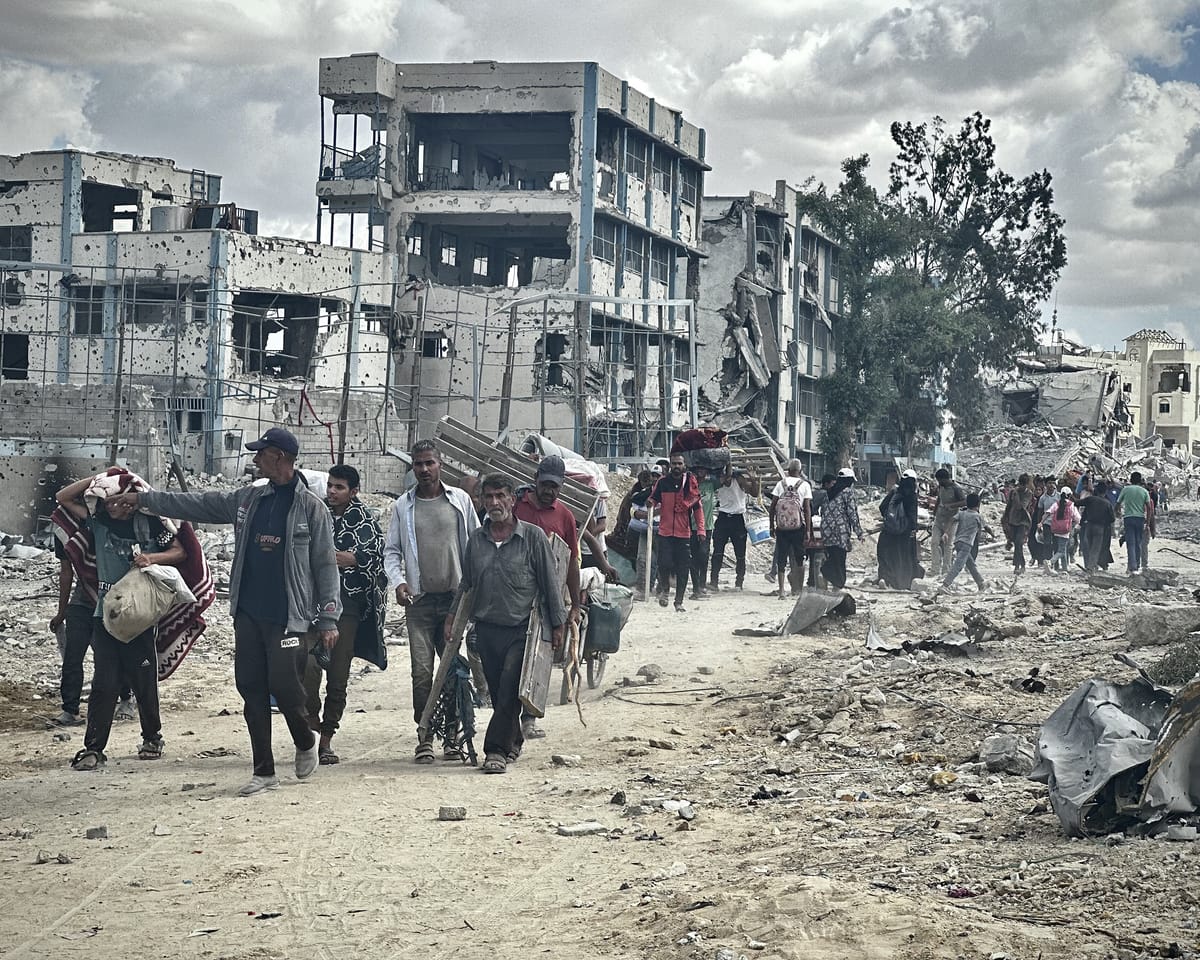
As Abdel Fattah al-Kurdi made the long journey back to Gaza City, he struggled to navigate the streets. Though he had left only weeks earlier, the landscape was unrecognizable. Buildings he had known since childhood had crumbled, their remnants littering the roads in piles of shattered concrete and belongings.
Al-Kurdi identified the Netzarim checkpoint—the entry point to northern Gaza—only by the bodies lying at its base. They were people who had tried to return too soon, their faces covered in dust after being struck by gunfire.
“The city is completely altered, as if it’s no longer the Gaza we once knew. In such a short time, immense destruction has taken over. Nearly every house is damaged, the streets impassable,” said al-Kurdi, a 40-year-old resident of the Sheikh Radwan neighborhood, as he made his way home.
Al-Kurdi was among thousands who took advantage of the temporary ceasefire announced on Friday to return to northern Gaza. Footage showed masses of people, many on foot, crowding the coastal highway, slowly moving northward.
For the first time since fighting resumed in mid-March, hostilities had paused in Gaza. Hamas and Israel agreed to halt attacks as part of a deal to exchange 48 Israeli hostages for nearly 2,000 Palestinian prisoners—an agreement intended to pave the way for a lasting end to the two-year conflict.
Like many returning north, al-Kurdi was apprehensive. In the days before the ceasefire, Israel had intensified bombings in Gaza City as part of its military campaign. He had no way of knowing if his home was still standing.
“I was prepared to see a ghost town. Neighbors who went ahead told me the situation is dire. They said my house was heavily damaged by drone strikes but hadn’t collapsed,” he said. Even if uninhabitable, he hoped to recover some possessions.
The journey was grueling. Overwhelmed transportation left most to walk for hours under the watch of Israeli drones, distant explosions echoing around them.
“I slept on the street for two days, waiting to cross the checkpoint. There were no vehicles, so I clung to the back of a neighbor’s car for three hours just to get home,” said Ahmad Salem, a 30-year-old from al-Jabalia.
Despite the ceasefire, Israeli forces remained stationed across roughly half the Gaza Strip. A military spokesperson warned shortly after the truce began that approaching certain areas could be fatal, naming zones still restricted.
Read next
Russian Assault on Buses Near Ukraine Border Results in 30 Deaths
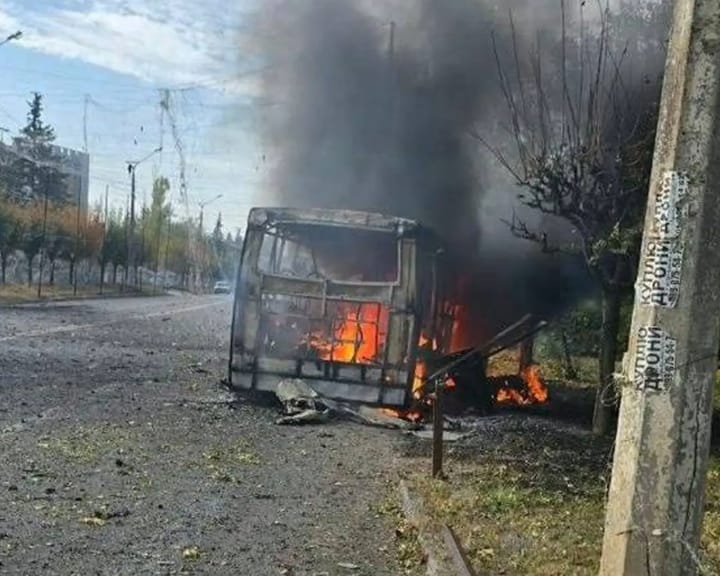
Thirty people have been killed and eighteen injured following an attack by Russia on two passenger buses in Kramatorsk, near the frontline in eastern Ukraine, according to local authorities.
The Donetsk regional prosecutor's office reported that the death toll from the morning attack on the buses had reached
Ethiopia Conducts Drone Strike on Eritrean Forces in Tigray Region
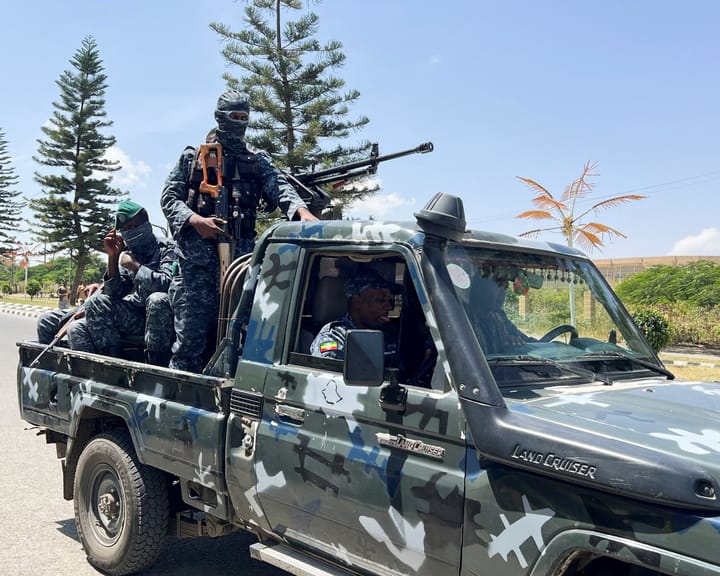
Eritrean forces reportedly crossed into Ethiopia's Tigray region and faced drone attacks from Ethiopian government forces, raising concerns about the potential for a broader regional conflict between the two neighboring countries.
Military vehicles transporting soldiers crossed the southern border of Eritrea into Tigray on Wednesday, reaching Adigrat, approximately

Israel Advances Film Resembling NAZA Documentary
The Israeli government is promoting an online film project designed to counter the findings of the award-winning documentary NAZA, which details Israel’s mass killings of civilians in Gaza. NAZA, directed by Oscar-winning filmmakers Yuval Abraham and Rachel Szor, is currently in cinemas and will be shown in