

Research Findings on Gen Z Retirement Savings
A study released late last year by the Investment Company Institute, with assistance from the University of Chicago, revealed that members of Generation Z—those born between 1997 and 2012—are contributing to retirement savings at a higher rate than previous generations. When adjusted for inflation, households in this group now have more than three times the assets in their 401(k) accounts compared to what Gen X households held at the same age in 1989.
These findings align with a 2023 report from the TransAmerica Center for Retirement Studies, which noted that Gen Z is making notable progress in retirement savings, with many setting aside up to 20% of their income for the future.
The reasons behind this trend are clear.
The oldest members of this generation likely recall the 2009-2010 financial crisis. They have also experienced a global pandemic and are constantly exposed to news about political instability, environmental concerns, violence, and social unrest through social media. Earlier generations received such updates a few times a day, whereas Gen Z encounters them continuously. This persistent uncertainty has heightened their desire for financial security, leading many to prioritize saving.
But are they saving enough? What additional steps could improve their long-term financial stability? Below are three key considerations.
1. Optimizing After-Tax Savings Options
Changes under the Secure2022 law now enable employers to offer Roth 401(k) plans and contribute to them on behalf of employees. These plans allow contributions to be made after taxes are paid, with investments growing tax-free and qualifying withdrawals remaining untaxed after age 59½. For Gen Z workers, who typically have lower earnings—and thus lower tax rates—this means they can reduce future tax burdens by paying now rather than deferring taxes until retirement, when distributions from traditional 401(k) accounts would be taxable.
Another after-tax option, the 529 plan, permits tax-free growth and withdrawals when funds are used for education expenses, including higher education or private schooling. This allows Gen Z savers to prepare for future educational costs without compromising their retirement funds.
2. Health Savings Accounts (HSAs) as a Financial Tool
HSAs, which must be linked to high-deductible insurance plans, have gained widespread adoption. Employees can contribute pre-tax dollars to cover medical expenses not reimbursed by insurance, with both growth and withdrawals exempt from taxes. Unused balances roll over annually, making them a flexible long-term savings option.
Read next
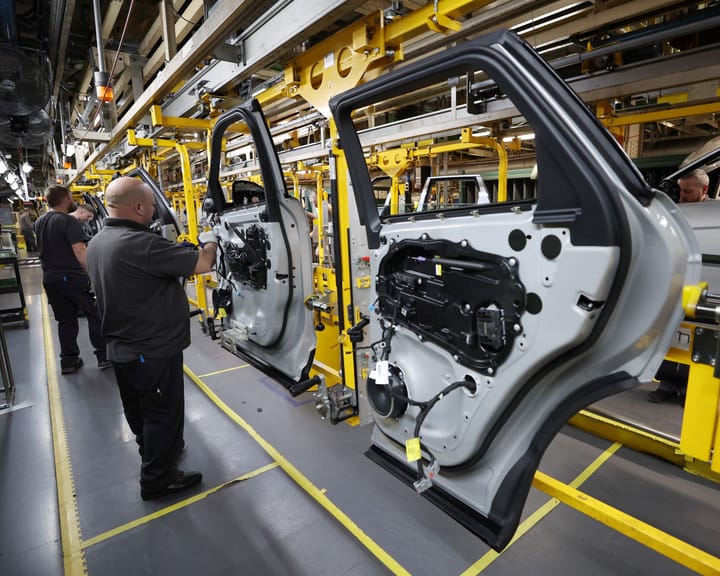
Jaguar Land Rover suppliers voice ‘everything is against us’ amid cutbacks
David Roberts, chair of Coventry-based Evtec, says the outlook for Britain’s automotive sector is grim, with “everything against us.” Evtec is a tier 1 supplier to Jaguar Land Rover, which this week announced 4,000 job cuts over two years despite chancellor John Healey’s attempt to talk

Europe’s fighter jet plans in disarray: what comes next?
When former ECB president and Italian PM Mario Draghi urged Europe to catch up economically with the US and China, defence collaboration was prescribed. No more should each nation build independent boats, tanks or jets; allies should share costs and technologies.
Europe stumbled at the first hurdle. German Chancellor Friedrich
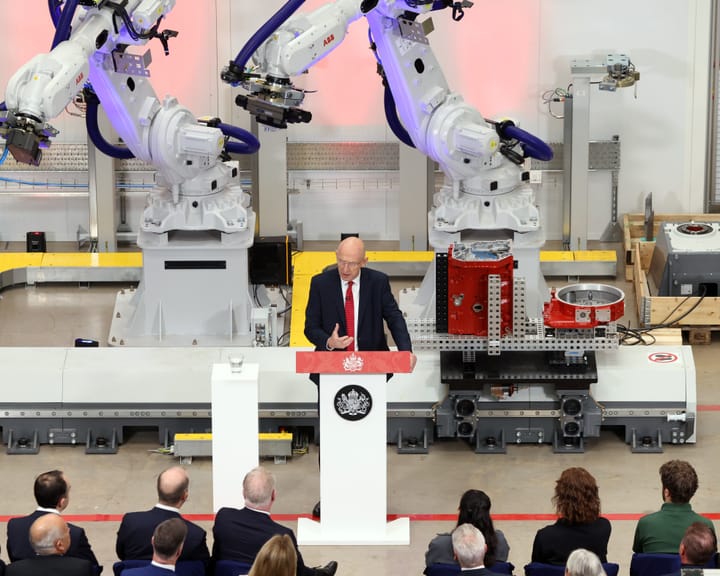
John Healey supports growth but insists Labour must be truthful about spending
John Healey has stated that his primary goal as chancellor will be to boost economic growth, while acknowledging that Labour must be straightforward about controlling public spending at next month's budget.
In his first major address since assuming the role in July, Healey said the leading focus of