
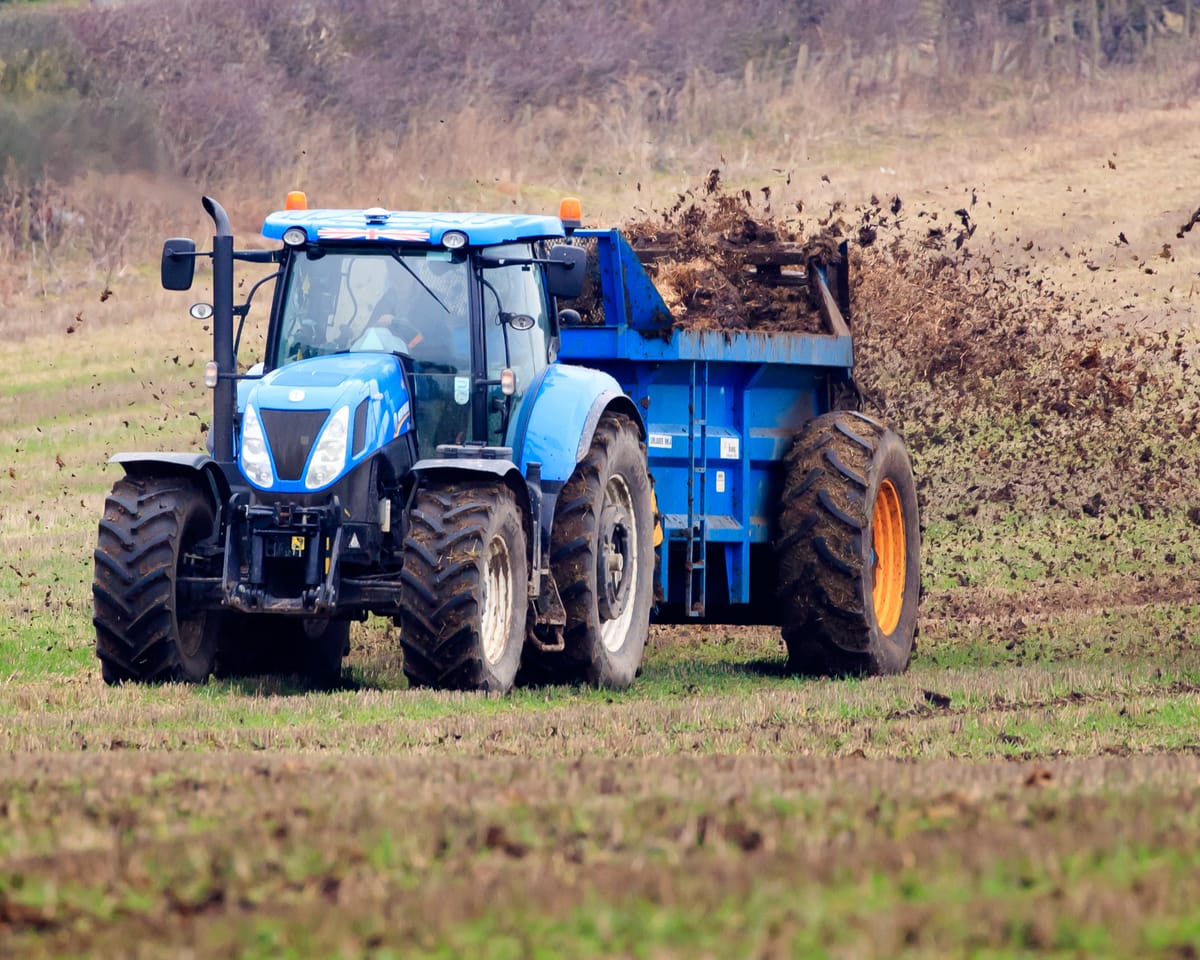
Fertiliser shortages linked to the Iran conflict have pushed costs for UK farmers up by as much as 70% and will likely cause a “dramatic” rise in global food prices next year, according to one of Britain’s leading property and farming firms.
Mark Preston, executive trustee of the 349‑year‑old Grosvenor Group – controlled by the Duke of Westminster – said fertiliser “was already quite expensive” before the 50% to 70% price jump that began when the Iran war started in late February.
He noted that the effective shutdown of the Strait of Hormuz – which Iran’s Islamic Revolutionary Guard Corps said on Wednesday could soon reopen – has choked global fertiliser supplies, a key input for growing food crops.
Preston added that, although UK crops are unlikely to suffer this year because most fertiliser has already been applied, the knock‑on effect could arrive next year. “Farmers aren’t buying that fertiliser; they’re sitting on their hands and hoping things will improve, which they probably won’t,” he said.
The multibillion‑pound Grosvenor Group owns one of the UK’s top farms – a dairy and arable enterprise in Cheshire – as well as rural estates in Lancashire and Scotland and large parts of Mayfair and Belgravia in central London.
On the Cheshire Eaton estate, where the Duke of Westminster has traditionally lived since the 1400s, the company produces millions of litres of milk for customers such as Tesco and Müller.
“It’s going to be a very, very dramatic problem for the world, not just the UK, in terms of food, because so much fertiliser moves through those straits,” Preston said. “But farmers could probably shift to more spring cropping next year instead of winter cropping, giving them a little more flexibility.”
The extent of any food‑price increase will depend on when the Strait of Hormuz – a vital shipping lane where about 1,600 vessels are currently stranded – reopens.
Preston warned: “The concern is at least as great, if not greater, around food and fertiliser than around oil, because alternative oil sources exist but there are very few alternatives for nitrogen, the key component of fertiliser.”
The blockade has halted flows of liquefied natural gas, an essential feedstock for nitrogen‑based fertilisers such as urea. Preston said the impact on Grosvenor will be limited because the group uses little fertiliser and relies on cow dung where possible.
His comments came days after the head of Yara International, the world’s largest fertiliser producer, warned that the Middle East war could trigger food shortages and price spikes in some of Africa’s poorest and most vulnerable communities.
An Opinium poll this week found that 80% of Britons worry about rising grocery costs, a trend driven by retailers passing on higher expenses to consumers.
Grosvenor reported an 18% fall in underlying profits to £70.5 million last year, hit by its North American operations, while its UK property portfolio remained stable.
Read next
Jaguar Land Rover suppliers voice ‘everything is against us’ amid cutbacks
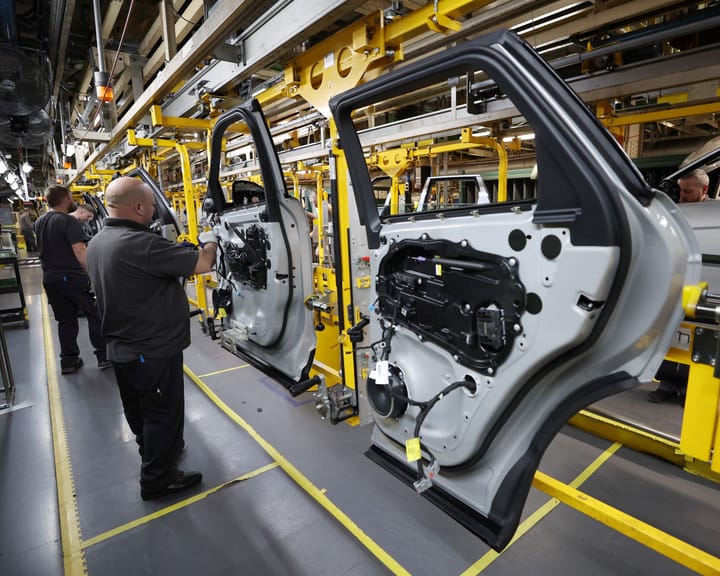
David Roberts, chair of Coventry-based Evtec, says the outlook for Britain’s automotive sector is grim, with “everything against us.” Evtec is a tier 1 supplier to Jaguar Land Rover, which this week announced 4,000 job cuts over two years despite chancellor John Healey’s attempt to talk
Europe’s fighter jet plans in disarray: what comes next?
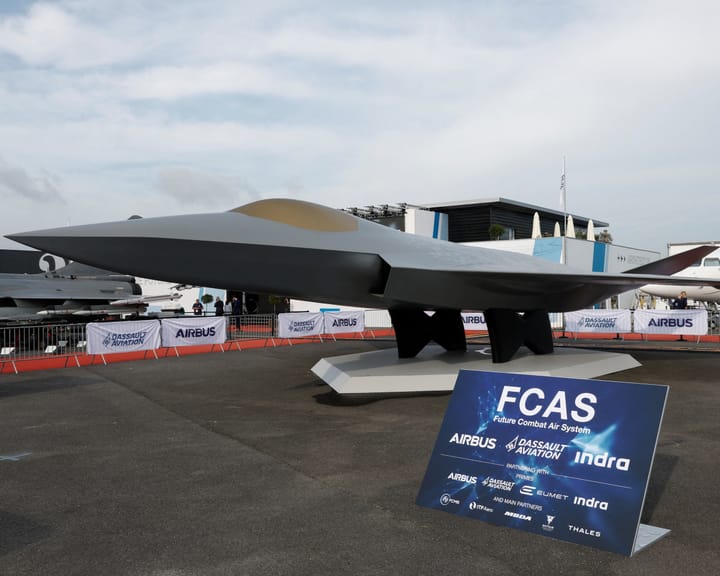
When former ECB president and Italian PM Mario Draghi urged Europe to catch up economically with the US and China, defence collaboration was prescribed. No more should each nation build independent boats, tanks or jets; allies should share costs and technologies.
Europe stumbled at the first hurdle. German Chancellor Friedrich
John Healey supports growth but insists Labour must be truthful about spending
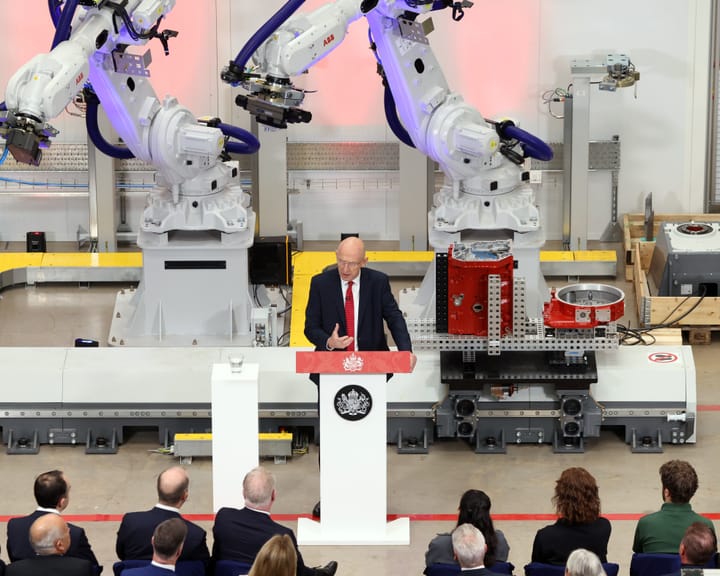
John Healey has stated that his primary goal as chancellor will be to boost economic growth, while acknowledging that Labour must be straightforward about controlling public spending at next month's budget.
In his first major address since assuming the role in July, Healey said the leading focus of