
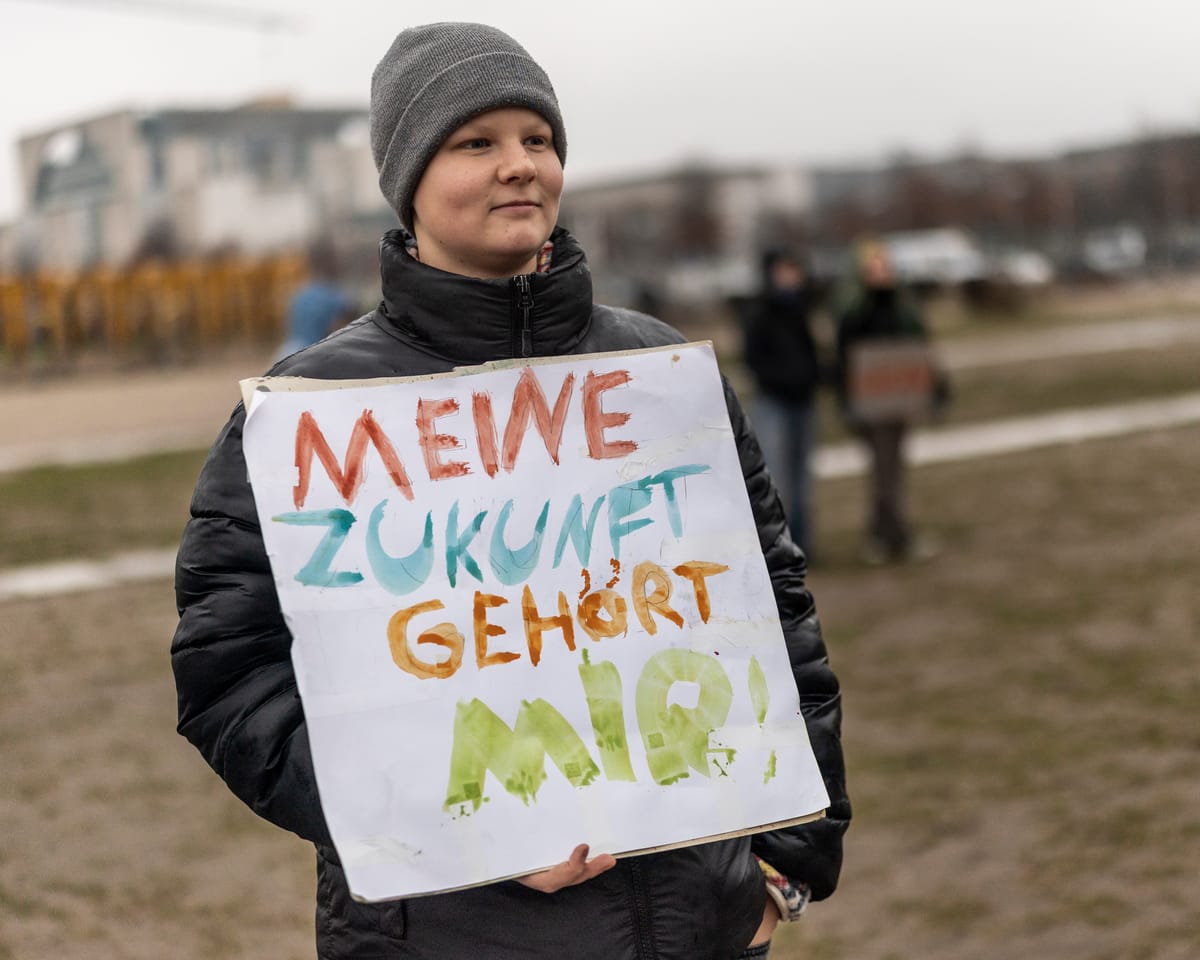
Germany's legislature has approved a revised military service framework intended to strengthen troop numbers, while numerous students protested nationwide opposing the measures.
The legislation will introduce compulsory assessment for all 18-year-old men from January 1 to determine eligibility for service but stops short of reinstating mandatory enlistment, a proposal supported by some conservative lawmakers.
Defense Minister Boris Pistorius informed parliament that if the framework fails to attract sufficient personnel, discussions on reinstating conscription will be unavoidable.
Students skipped school to join demonstrations against the law in 90 cities, despite educational authorities cautioning that participation might impact academic evaluations.
"I’m protesting against compulsory service and increased militarization, especially since the government isn’t prioritizing peace through diplomatic approaches," stated 17-year-old Alicia during a rally in Berlin’s Kreuzberg district.
Lawmakers responded to concerns that young people’s futures could be jeopardized by potential pressures on those born after 2008 to enlist.
Siemtje Möller of the ruling coalition dismissed protest narratives as "mere populism." "No decision obligating service or randomly deploying youths to conflict zones has been made," she asserted. "Such claims are speculation."
Möller echoed recent confidence that rising interest in the military will help expand personnel to 460,000, including 260,000 active members and 200,000 reservists. Current figures stand at 182,000 active personnel and approximately 50,000 reservists.
Germany discontinued conscription in 2011 under Angela Merkel’s administration, ending a system active since 1956, to adapt to post-Cold War needs favoring specialized professionals over drafted combat troops.
Pistorius described the law as "a vital move for national defense," noting allies’ expectations.
The measure passed 323-272, with one abstention, opposed by the far-right AfD and far-left Die Linke.
Die Linke’s Desiree Backer urged youth resistance, calling the framework "far from optional" due to mandatory questionnaires. She cited ministers’ noncommittal responses when asked if their own children would serve.
"Young people have aspirations beyond risking their lives for powerful interests."
Read next

Deadly Tenerife Wave Claims Four Swimmers Pulled from Coastal Pool
Four individuals have died and another remains missing after a large wave swept swimmers from a well-known coastal pool along Tenerife’s western shore, Spanish officials confirmed Monday.
Rescuers retrieved three bodies on Sunday—a 35-year-old man, a 55-year-old woman, and a man whose details were not disclosed—during a

Edinburgh Airport flights back on track after air traffic control disruption – live updates
Flights Gradually Restart at Edinburgh Hub After Air Traffic Control Disruption
Air travel services are slowly recommencing at Edinburgh airport after a midday halt caused by technical complications within its air traffic management system.
Operations began gradually resuming around 10:40am, as confirmed in an update shared via the airport’
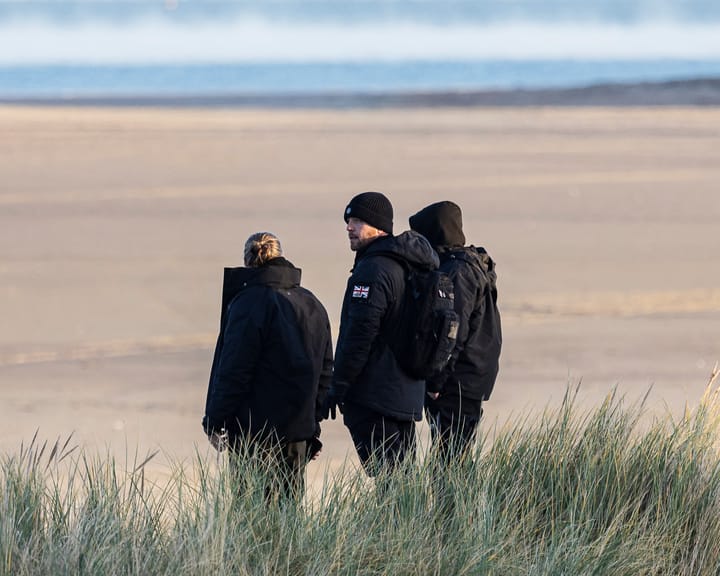
France, UK Accused of Inaction Against Migrant-Targeting Activist Groups
Criticism Over Inaction Against Anti-Migrant Activists in Northern France
UK and French officials have faced allegations of “promoting aggressive and xenophobic conduct” by not addressing British activists traveling to northern France to disrupt small boat crossings.
Nine French organizations assisting individuals in coastal camps released a statement criticizing both governments